On ventilator and unconscious, what’s next for Christa Pike after surviving lethal injection
Christa Pike is unconscious, on a ventilator and in critical condition after Tennessee’s attempt to execute her with lethal injection did not result in her
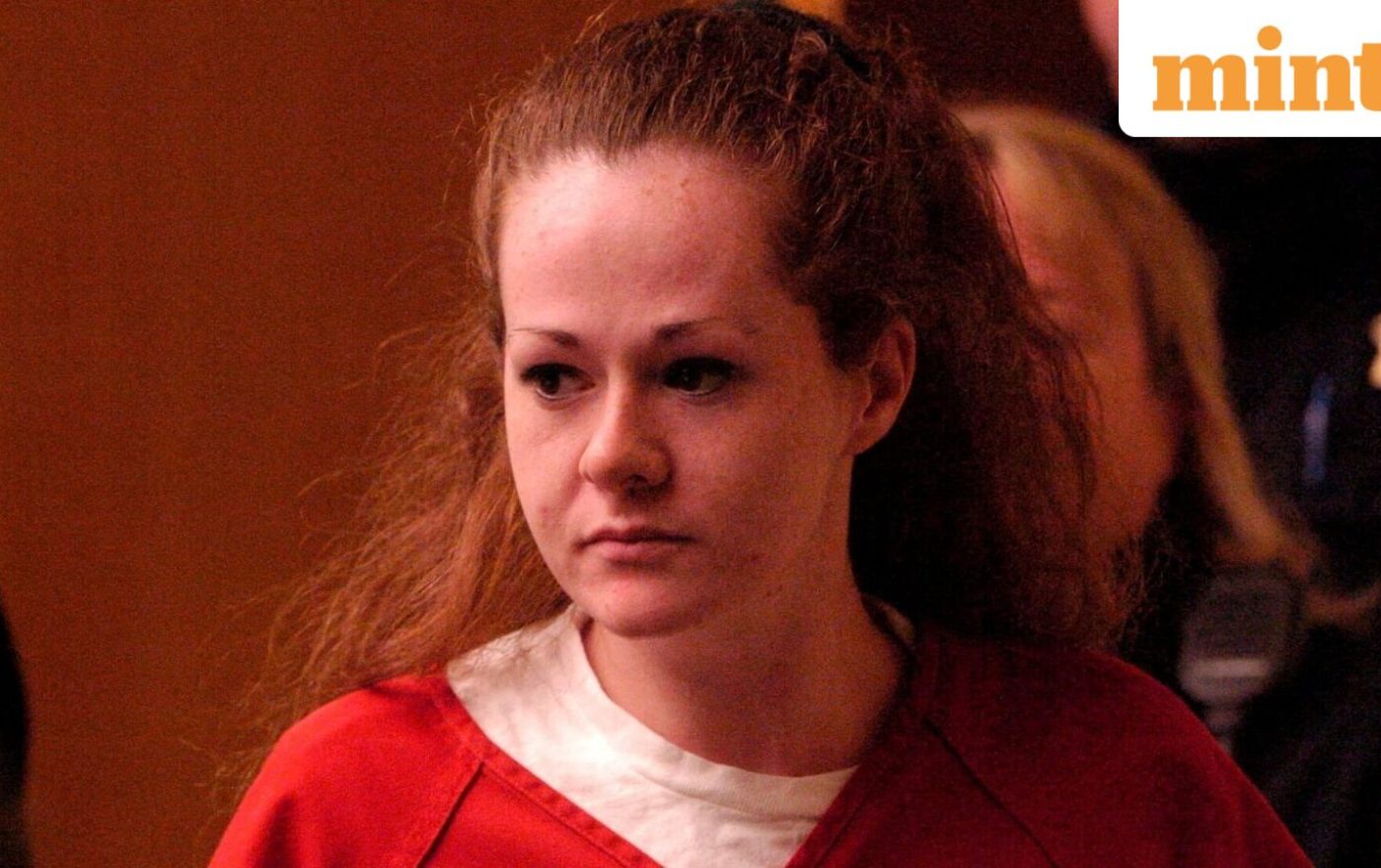
Christa Pike Remains Hospitalised After Tennessee Execution Attempt Fails
Theindiapostdaily.com – Christa Pike is unconscious, on a ventilator and in critical condition after Tennessee’s attempt to execute her with lethal injection did not result in her death. Two days after the procedure, her legal team said hospital doctors were treating the physical effects of the injection and working to remove pentobarbital from her body.
The events have placed Pike’s death sentence, Tennessee’s execution protocol and the state’s next legal steps under intense scrutiny. Her attorneys are pursuing commutation while also seeking to preserve evidence from the procedure, arguing that the circumstances of the attempted execution require close examination.
Medical care follows prolonged IV difficulties
Tennessee used pentobarbital during the Wednesday night execution attempt, administering two doses. Pike survived both. Her lawyers described major injuries to each arm after staff had difficulty finding and maintaining intravenous access.
The emergency court filing states that the execution team failed to recognise that the IV placements were wrong and that Pike’s veins had “blown.” As a result, the drug was not entering her bloodstream as intended.
Defence attorney Randy Spivey said personnel spent roughly an hour trying to deliver the drugs. He counted at least seven needles in Pike’s left arm. Neither the first dose nor the backup dose caused her death, and she was still snoring when the execution chamber microphone was turned off more than an hour after the process began.
Pike is now intubated and receiving mechanical assistance to breathe. The immediate priority is her treatment and recovery from the injuries sustained during the failed procedure, rather than a decision about another execution date.
Lawyers Seek Commutation and Evidence Preservation
Pike’s attorneys want her sentence reduced from death to a lesser punishment. Before broader arguments over the sentence can be resolved, they are focused on ensuring that records and physical evidence connected to the execution are retained.
The legal filing asks a Tennessee court to require the Department of Correction to preserve materials related to the procedure. Such evidence could include information about the attempted IV placements, drug administration, communications among execution staff and the steps taken after the injections failed to produce the intended result.
The request reflects a central issue raised by the case: whether an execution attempt that included the administration of lethal drugs can simply be repeated. The answer may turn on medical facts, the state’s procedures and constitutional questions that are likely to be contested if Tennessee seeks to resume the process.
Governor pauses executions through 2026
Governor Bill Lee has stopped further Tennessee executions for the remainder of 2026 and ordered an independent review of the state’s execution practices. Pike’s case was Tennessee’s second botched execution of the year, increasing pressure for a detailed assessment of how the system operates.
The review may influence the state’s eventual response to Pike’s case, particularly because Tennessee has acknowledged the need to investigate what occurred during the failed procedure. It may also shape discussion over whether the state should continue using a single-drug lethal injection protocol or consider other methods.
For readers following the legal process, the pause does not itself erase Pike’s sentence. It prevents further executions while the state examines its procedures. Questions about Pike’s individual punishment, her medical condition and the legality of any later action remain unresolved.
Past Cases Offer Only Limited Guidance
American courts have previously considered cases involving prisoners who survived execution attempts, though Pike’s situation has unusual features. In 1947, 16-year-old Willie Francis survived an attempted electrocution in Louisiana after an electric chair malfunction. The US Supreme Court rejected his claim that another attempt would breach constitutional protections, and Francis was later executed.
Another case involved Ohio prisoner Romell Broom. In 2009, officials spent hours attempting to establish an IV line for a lethal injection but could not do so. Broom challenged a future execution attempt, but the Ohio Supreme Court rejected his argument in 2016. The court concluded that establishing IV access was preparatory, rather than the execution itself. Broom died in prison in 2020 while still on death row.
Pike’s lawyers and legal specialists have emphasised an important distinction: drugs were administered in her case. Austin Sarat, an Amherst College professor whose work examines capital punishment, described that fact as presenting an exceptionally difficult legal issue.
“Those cases where people survive an execution create a real dilemma for the legal system. Now what?”
The prior cases show that surviving an attempted execution has not automatically barred states from making another attempt. Yet they do not definitively settle the question raised by Pike’s case, where the state delivered lethal drugs but failed to cause death and the prisoner was left seriously injured.
A Death Sentence Now Overshadowed by Unanswered Questions
Pike, 50, was sentenced to death for the 1995 killing of 19-year-old Colleen Slemmer. She was 18 at the time of the murder and had been scheduled to become the first woman executed in Tennessee in more than 200 years.
Her case has now moved beyond the original execution date into a period of medical uncertainty and legal review. The state must assess the failed procedure, while Pike’s attorneys pursue commutation and seek to secure evidence that could be central to future court challenges.
Any decision to attempt another execution would likely prompt renewed litigation over the physical suffering involved, the administration of the drugs and the constitutional limits on repeating an execution process after a prisoner survives it. Until those questions are addressed, Pike remains in hospital, unconscious and dependent on a ventilator.
Related Reading
Frequently Asked Questions
What is On ventilator and unconscious what s next?
On ventilator and unconscious what s next is the main topic of this guide. The article explains the context, practical details, and next steps readers should understand.
Why does On ventilator and unconscious what s next matter?
On ventilator and unconscious what s next matters because readers are looking for a useful answer, not just a short summary. Good content should match search intent and help them decide what to do next.