Nick Reiner seeks access to $1.5 million trust fund to pay for parents’ murder defence: Details here
Nick Reiner Requests Access to $1.5 Million Trust Fund for Parents' Murder Defense Nick Reiner seeks access to 1 5 - Nick Reiner, the son of acclaimed filmmaker Rob Reiner…
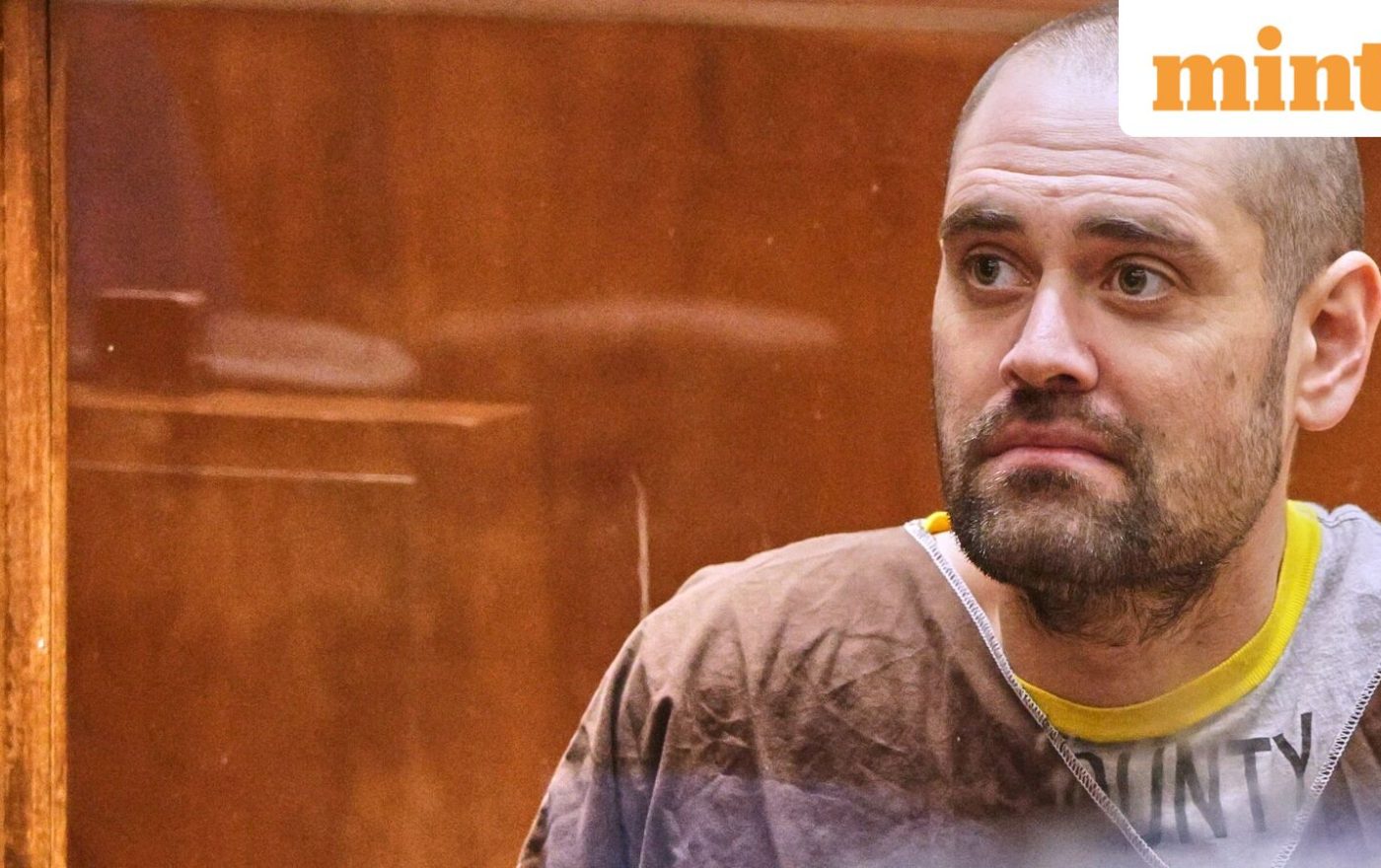
Nick Reiner Requests Access to $1.5 Million Trust Fund for Parents’ Murder Defense
Nick Reiner seeks access to 1 5 – Nick Reiner, the son of acclaimed filmmaker Rob Reiner and photographer Michele Singer Reiner, is fighting to gain access to a $1.5 million trust fund left by his parents to fund his defense in the double homicide case. The legal battle centers on whether the trust should be used to cover the costs of his parents’ murder trial, a key point in his quest to secure resources for his own defense. Reiner’s parents were found stabbed to death in their Brentwood home on December 14, 2022, with paramedics arriving shortly after 3:40 PM. Prosecutors allege the couple was killed earlier that day, leading to Reiner’s arrest the same day in Los Angeles’ Exposition Park neighborhood—about 15 miles from the crime scene.
Trust Fund and Legal Dispute
The trust fund, established in 1993, was meant to provide financial support to Nick Reiner as he grew older. According to the trust’s terms, he would receive half of the funds upon turning 30 and the remaining amount at 35. However, Reiner’s attorneys argue that the Trustee has been withholding the money, denying him access despite clear instructions from his parents. This dispute has escalated to the court, as the petition filed by Reiner’s legal team on Monday emphasizes the importance of the trust in mounting a robust defense.
“Nick is presumed innocent, and the funds are his rightful inheritance. The Trustee’s refusal to release them undermines his ability to prepare for trial,” stated the petition.
Reiner’s case highlights a critical intersection between personal finances and legal proceedings. His attorneys contend that without access to the $1.5 million, he may struggle to hire top legal counsel or cover the extensive costs of his defense. The trust fund, they argue, was specifically designed to assist him in such circumstances, ensuring he has the means to navigate the legal system effectively. This legal maneuver underscores the broader issue of asset control during criminal trials, especially when family resources are involved.
Background and Legal Context
Reiner’s parents, Rob and Michele Reiner, were known for their contributions to the entertainment industry and photography. Their deaths have sparked a media frenzy, with the case gaining national attention due to its personal and financial implications. Prosecutors have charged Reiner with two counts of murder, citing the special-circumstances allegation of multiple killings. The weapon used in the crime was identified as a knife, which is a key piece of evidence in the case.
The trust fund, a crucial asset for Reiner, represents a significant portion of his parents’ wealth. It is structured to ensure gradual financial support, with conditions tied to his age. This setup, while practical, has now become a point of contention. Reiner’s legal team is pushing for the Trustee to release the funds immediately, arguing that the current delay jeopardizes his ability to mount a strong defense. The petition also mentions that the facts surrounding his parents’ deaths are not disputed, focusing instead on the distribution of their assets.
Recent Developments and Legal Arguments
In recent weeks, the case has drawn attention to the role of trust funds in criminal defense. Reiner’s attorneys have highlighted that the Trustee’s actions may be seen as an overreach, given the parents’ explicit instructions. They argue that the trust was meant to benefit Nick Reiner, not to be held hostage by legal interpretations. “This fund is a lifeline for Nick, who is already in custody and facing a potentially life-altering trial,” the legal team stated in their filing.
The trust’s terms, which specify the release of funds at specific ages, are being scrutinized by the court. Reiner’s defense hinges on the argument that the Trustee’s discretion to withhold funds is unnecessary. Legal experts suggest that the case could set a precedent for how trust assets are managed in criminal matters. As the trial approaches, the need for immediate financial resources becomes even more pressing, with the Trustee’s decision potentially affecting the outcome of the case.
Reiner’s struggle to secure funds reflects the broader challenges of criminal defense. While he is entitled to use the trust for his own benefit, the Trustee’s control over the assets has created a bottleneck. The court’s decision on this matter will determine whether the $1.5 million is available to support his legal team as they prepare for the trial. This development has also raised questions about the role of family wealth in criminal proceedings and the balance between asset preservation and defendant’s rights