NASA announces crew members for Artemis III mission to test new moon landers: Here’s what we know
NASA Announces Artemis III Crew Members for Lunar Lander Testing: Full Details Revealed NASA announces crew members for Artemis - On Tuesday, the National
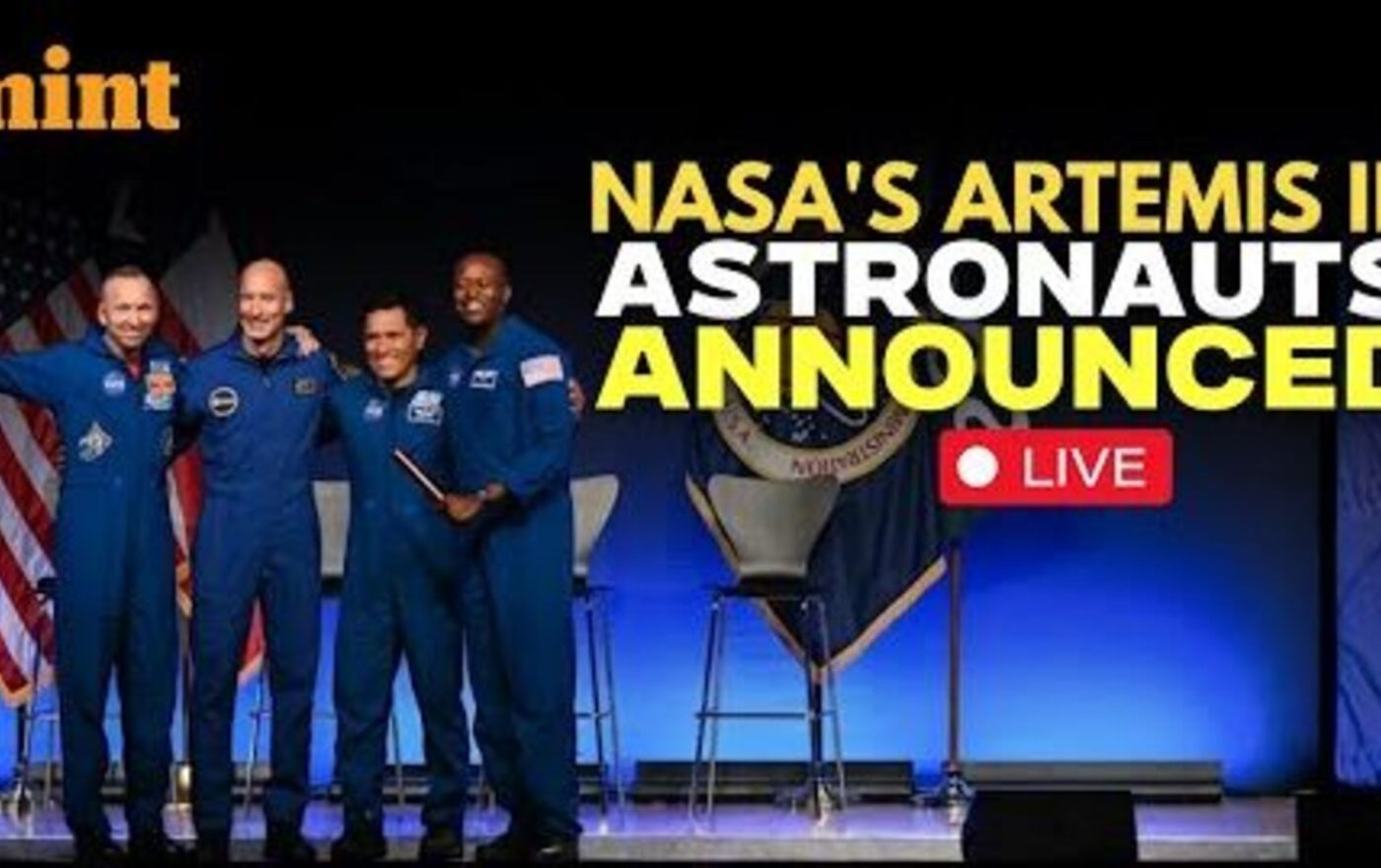
NASA Announces Artemis III Crew Members for Lunar Lander Testing: Full Details Revealed
NASA announces crew members for Artemis – On Tuesday, the National Aeronautics and Space Administration (NASA) officially unveiled the four astronauts selected for the Artemis III mission, a pivotal step in its plan to return humans to the Moon. This announcement marks the first crew assignment for the Artemis program’s next phase, which will test commercial lunar landers in a crewed environment. The mission, set to launch aboard the Orion spacecraft using the Space Launch System (SLS) rocket, is a cornerstone of NASA’s broader strategy to establish a sustainable human presence on the lunar surface by the early 2030s. The chosen crew will serve as critical evaluators of the technology that will carry astronauts beyond lunar orbit for the first time since the Apollo era.
Artemis III Crew: Roles and Backgrounds
The Artemis III team includes Randy Bresnik, who will serve as commander; Luca Parmitano, a European Space Agency (ESA) astronaut acting as pilot; and Frank Rubio and Andre Douglas, designated as mission specialists. Bob Hines is the backup crew member, providing a ready alternative in case of unforeseen circumstances. Each astronaut brings unique expertise, with Parmitano’s experience in spacewalks and Rubio’s background in space station operations adding value to the mission’s objectives. Douglas, a former Marine, will play a key role in testing the lunar lander’s systems, ensuring their reliability for future surface missions. This crew will remain aboard the Orion capsule for the two-week journey, evaluating the performance of NASA’s partner landers during the critical phase of lunar descent and landing.
“The Artemis III mission represents a bold leap forward in our space exploration capabilities,” said NASA’s Artemis Program Manager, Jeremy Parsons. “By testing these landers in a crewed scenario, we’re preparing for the next steps in lunar exploration and laying the groundwork for long-term human presence on the Moon.”
Artemis III’s two-week duration extends the Artemis II orbital mission by four days, allowing for in-depth analysis of systems such as propulsion, life support, and navigation. The mission will simulate the conditions of a lunar landing, including the challenges of operating in a vacuum and managing communication delays. This phase is essential for refining the technology that will support Artemis IV, which aims to achieve the first lunar surface landing by 2028. The crew’s feedback will guide adjustments to the lander designs, ensuring they meet the rigorous standards required for deep-space exploration.
Commercial Partnerships and Lunar Lander Development
The Artemis III mission is a collaborative effort between NASA and private aerospace companies, including SpaceX and Blue Origin. Both firms are racing to develop their lunar lander systems, with Blue Origin’s Blue Moon and SpaceX’s Starship-based designs currently in the final stages of testing. NASA’s partnership with these companies reflects its shift toward leveraging commercial innovation to reduce costs and accelerate timelines for lunar exploration. The Artemis III crew will evaluate both landers, assessing their performance in real-time conditions that mirror future lunar missions.
Blue Origin’s Blue Moon lander is designed for precision landings on the Moon’s surface, featuring advanced propulsion systems and a modular design that allows for flexibility in mission configurations. SpaceX, on the other hand, is focusing on integrating its Starship vehicle into lunar operations, emphasizing reusability and scalability. The competition between these two companies has spurred rapid technological advancements, with both aiming to demonstrate their readiness for Artemis IV. NASA’s role in this partnership involves close coordination, ensuring that the selected lander meets the agency’s safety and operational requirements while fostering a competitive edge in the development process