Lindsey Graham’s 4 high-stakes remarks that made headlines: ‘500% India tariffs’, Pak’s mediator role problematic, more
Lindsey Graham's four high-stakes remarks have dominated headlines in recent months, drawing sharp
Lindsey Graham’s Four High-Stakes Remarks That Headlined Controversy
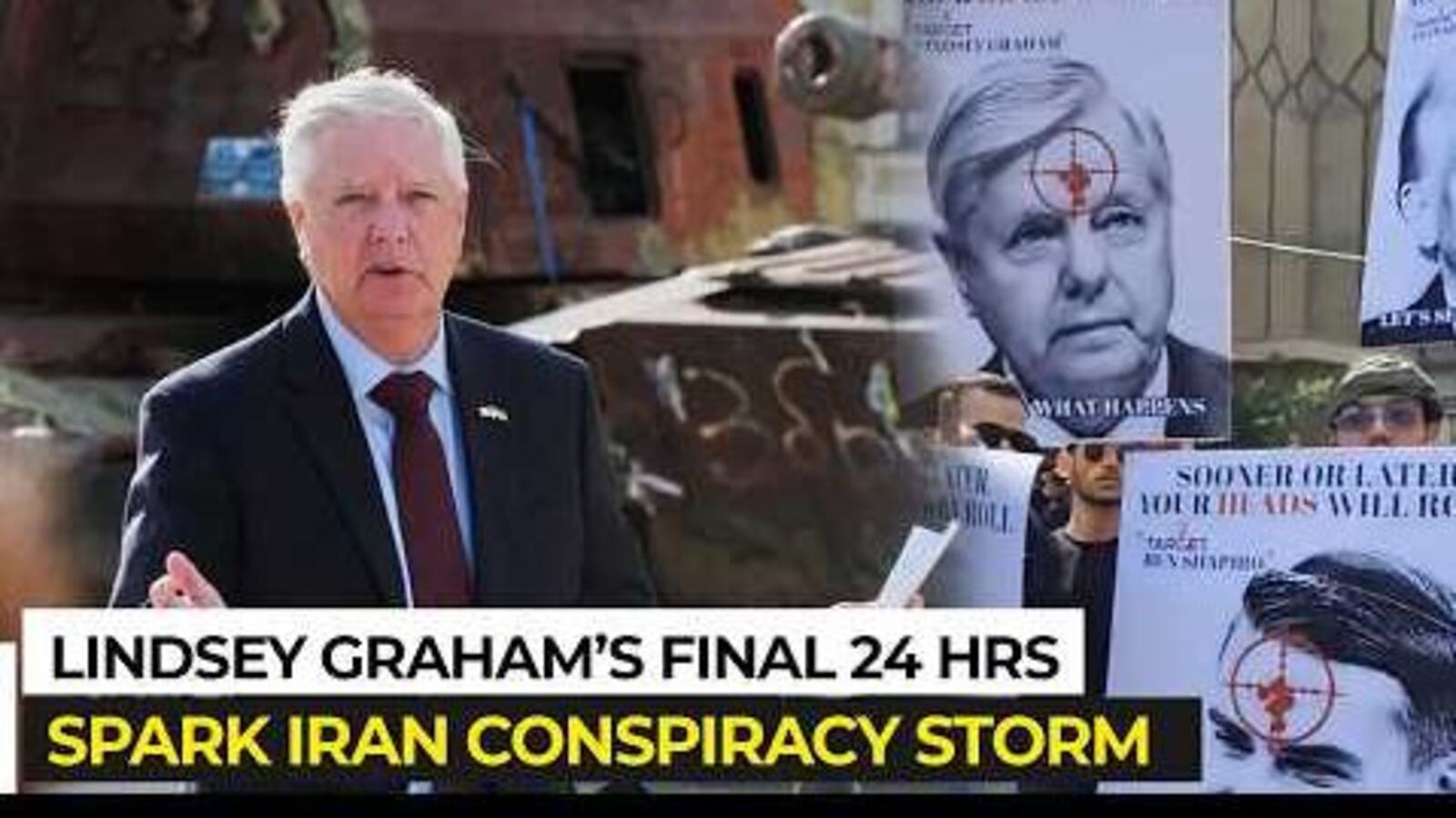
Theindiapostdaily.com – Lindsey Graham’s four high-stakes remarks have dominated headlines in recent months, drawing sharp attention to his influential role in shaping U.S. foreign policy. As a veteran Republican senator and close confidant of former President Donald Trump, Graham has consistently used his platform to voice strong opinions on global issues. His comments, particularly those on India, Iran, Greenland, and Pakistan, have sparked heated debates and underscored his reputation as a polarizing figure in international affairs.
India and the 500% Tariff Proposal
Lindsey Graham’s four high-stakes remarks included a controversial take on India’s energy policy. In February, he highlighted India’s decreased reliance on Russian oil as a strategic shift, which he saw as a positive development. However, he quickly turned the narrative by endorsing President Trump’s proposal to impose tariffs of up to 500% on Indian imports. Graham argued that such measures could exert economic pressure on countries supporting Russia’s war efforts, framing the issue as a test of U.S. diplomatic leverage.
“The bill would allow Trump to punish countries who buy cheap Russian oil fueling Putin’s war machine,” Graham stated, emphasizing the potential impact of his four high-stakes remarks on global trade dynamics.
Iran’s Leader Compared to Historical Figures
Another of Graham’s high-stakes remarks focused on Iran’s leadership, drawing comparisons to historical figures like Hitler. During a Fox News appearance, he called Ayatollah Ali Khamenei “the modern-day Hitler” and “a religious Nazi,” asserting that Iran’s regime had become a key target for U.S. intervention. His four high-stakes remarks underscored the urgency of changing leadership in Tehran, with Graham warning that the people were demanding action.
“If I were you, Mr. President, I would kill the leadership that are killing the people,” he added, reinforcing the gravity of his four high-stakes remarks in shaping the U.S. approach to Iran.
Greenland and Strategic Priorities
Graham’s high-stakes remarks also touched on Greenland, a territory with strategic significance due to its Arctic resources. He downplayed concerns about Greenland’s sovereignty, arguing that U.S. interests in securing the region’s resources outweighed European worries. This stance, part of his four high-stakes remarks, reflected his belief in prioritizing American strategic goals over diplomatic nuances.
“Greenland’s control is secondary to US strategic priorities,” Graham asserted, highlighting how his four high-stakes remarks often focused on immediate geopolitical gains.
Pakistan’s Mediation Role and Israel Recognition
In May, one of Graham’s high-stakes remarks addressed Pakistan’s role as a mediator in the U.S.-Iran conflict. He criticized Islamabad’s effectiveness, urging the country to formally recognize Israel. This stance contrasted with Trump’s earlier support for Pakistan’s diplomatic efforts, revealing internal tensions within the administration. Graham’s four high-stakes remarks aimed to realign regional alliances with U.S. interests, even if it meant challenging long-standing partnerships.
“It has been apparent to me for quite a while that Pakistan as a mediator is more than problematic,” Graham wrote, tying his four high-stakes remarks to the broader critique of international diplomacy.
Impact of Graham’s High-Stakes Remarks on U.S. Policy
Graham’s four high-stakes remarks have significantly influenced U.S. foreign policy discussions. His direct approach, often summarized as “America First,” has resonated with both supporters and critics. By framing issues like India’s trade policies and Pakistan’s mediation role as critical points of leverage, he has positioned himself as a key voice in shaping the administration’s stance. These remarks, however, have also raised questions about the balance between assertiveness and diplomacy in international relations.
Legacy of Graham’s High-Stakes Remarks
As his four high-stakes remarks continue to generate headlines, they reflect Graham’s commitment to pushing the boundaries of U.S. influence. His bold assertions on Russian oil, Iranian leadership, Greenland’s sovereignty, and Pakistan’s mediation role have left a lasting mark on global discourse. While some view these statements as necessary for assertive foreign policy, others argue that they risk undermining nuanced international alliances. The ongoing impact of Graham’s high-stakes remarks will likely shape future debates on U.S. foreign strategy for years to come.