Lincoln Memorial Reflecting Pool damage case: Former US Olympian David ‘Davey’ Hearn indicted over alleged vandalism
David ‘Davey’ Hearn Indicted for Vandalizing Lincoln Memorial Reflecting Pool Lincoln Memorial Reflecting Pool damage case - A former U.S.
David ‘Davey’ Hearn Indicted for Vandalizing Lincoln Memorial Reflecting Pool
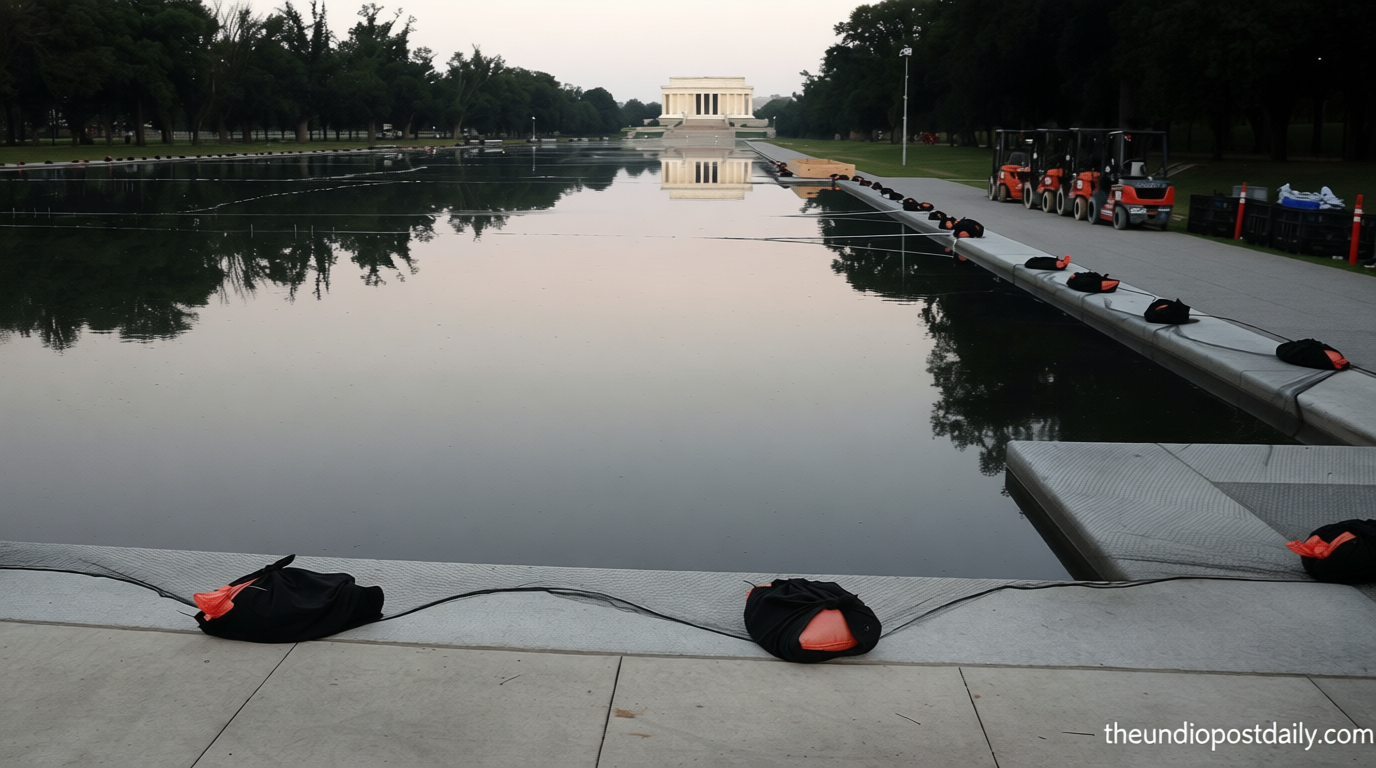
Theindiapostdaily.com – A former U.S. Olympian, David ‘Davey’ Hearn, has been indicted for allegedly causing damage to the Lincoln Memorial Reflecting Pool, a historic national monument in Washington, D.C. The 67-year-old canoeist from Bethesda, Maryland, faces felony charges of property destruction after reportedly tearing up the newly installed sealant on June 19. This incident, linked to the Lincoln Memorial Reflecting Pool damage, has sparked debate about the motives behind the act and its implications for the preservation of public landmarks. The indictment, issued by federal authorities, highlights a growing concern over vandalism targeting federal monuments, especially in the wake of recent renovations.
Strong Evidence Behind the Indictment
U.S. Attorney Jeanine Pirro emphasized that the case against Hearn is supported by substantial evidence, including surveillance footage and witness accounts. According to the indictment, Hearn “forcefully and violently” removed the pool’s liner with both hands, creating a 350-foot gash that caused over $1,000 in damage. Pirro noted that the Lincoln Memorial Reflecting Pool damage was not an isolated incident, as federal agents have previously charged approximately six individuals with misdemeanor vandalism related to the site. The evidence, she said, shows a pattern of deliberate action rather than accidental contact.
“The Lincoln Memorial Reflecting Pool damage was clearly intentional,” Pirro stated, pointing to the physical evidence and Hearn’s own admissions during the investigation. “This is a case with tremendous evidence, and the charges reflect the severity of the act.”
Hearn’s Defense: Accidental Trespass
Hearn has contested the charges, claiming he was merely examining the pool’s surface during a 64-mile bike ride. He described the incident as a brief, unintentional touch, stating that a loose piece of the liner was inadvertently pulled by his hand. His legal team has argued that the Lincoln Memorial Reflecting Pool damage was a result of routine activity, not malicious intent. They also criticized the Trump administration, suggesting that the incident was used to justify broader criminalization of public behavior.
Despite the defense’s claims, Hearn was detained by National Guard and U.S. Park Police for about five hours before being released. The incident, which occurred just days after the $14 million renovation, has raised questions about the effectiveness of security measures at the site. Hearn’s background as a retired Olympic athlete and his subsequent career in composite materials for watercraft have added a personal dimension to the case, drawing comparisons to other high-profile vandalism events.
Renovation and Post-Renovation Issues
The Lincoln Memorial Reflecting Pool damage took place shortly after the completion of a major renovation project ordered by President Donald Trump. The $14 million restoration aimed to restore the pool to its original state ahead of the July 4 celebrations marking the 250th anniversary of U.S. independence. Trump had previously praised the new “American flag blue” liner, asserting that it would enhance the monument’s appearance and durability.
However, technical challenges emerged after the pool reopened, with sections of the blue lining peeling and algae blooms turning parts of the water green. The National Park Service has been using hydrogen peroxide to treat the algae since mid-June. While some experts suggest the damage may have been caused by construction flaws, the authorities have maintained that the Lincoln Memorial Reflecting Pool damage was deliberate. This has led to criticism of the project’s quality and a renewed focus on its vulnerability to vandalism.
Public Reaction and Legal Implications
The indictment has ignited a range of reactions from the public and political figures. Some have called for stricter penalties to protect national monuments, while others have questioned the administration’s response. Trump, known for his strong stance on preserving historical sites, has used the Lincoln Memorial Reflecting Pool damage to highlight the threat of vandalism to American heritage. He warned that such acts could lead to up to 10 years in prison, reinforcing the seriousness of the charges.
Hearn’s case also underscores the broader context of public sentiment toward federal monuments. The Lincoln Memorial Reflecting Pool, a symbol of national unity, has been a frequent target of political protests and acts of vandalism. This incident, occurring during a period of heightened attention to the site, has placed Hearn at the center of a debate about accountability and the role of individual actions in shaping national narratives.
Background on the Vandalism Claims
Hearn, a retired Olympic athlete, is best known for his participation in the 1