JD Vance says Iran war will enter ‘much different phase’ in coming months
US Vice President JD Vance has said the conflict involving Iran is likely to take on a markedly different character in the months ahead, as Washington shifts
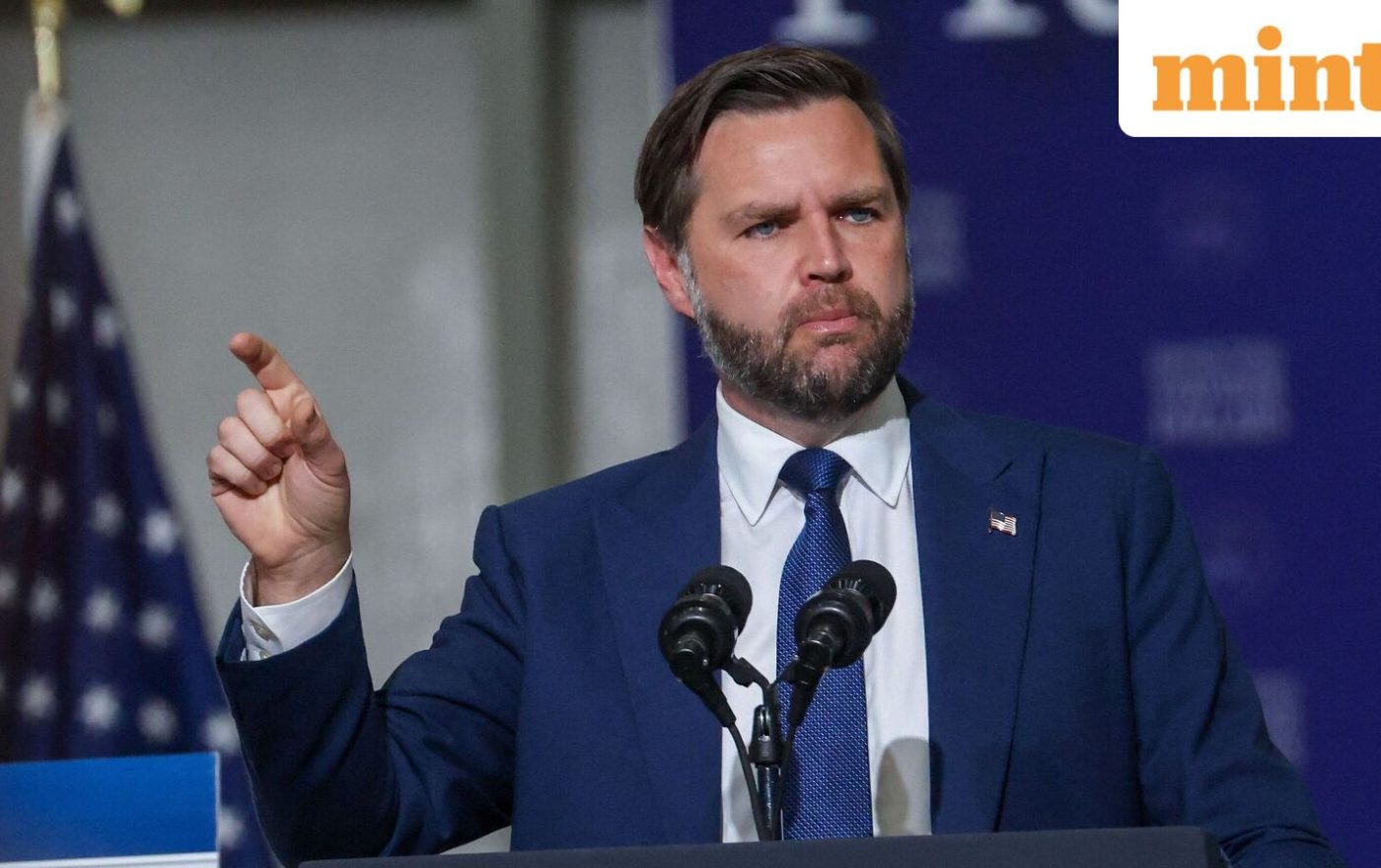
Vance Says Iran Conflict Is Moving Beyond Its Opening Military Stage
Theindiapostdaily.com – US Vice President JD Vance has said the conflict involving Iran is likely to take on a markedly different character in the months ahead, as Washington shifts its focus from initial military objectives to preventing Iran from restoring key capabilities.
Speaking aboard Air Force Two on Monday, Vance described the war as having progressed past an opening stage that he said centered on Iran’s nuclear programme, conventional forces and regional reach. He did not offer a precise forecast for what would follow, but endorsed President Donald Trump’s view that the situation could change substantially within a few months.
Two phases outlined
Vance presented the conflict as a two-part effort. In his description, the first stage had already concluded, while the next would concern the longer-term consequences of the military campaign.
“There are really two phases to this thing, and the first phase is done,” he said.
He said the initial objective was to dismantle Iran’s nuclear programme, reduce the effectiveness of its conventional military forces and limit its capacity to exert influence across the region. The subsequent challenge, he said, is to make sure Iran cannot rebuild those capabilities while broader stability is maintained.
“And then the second phase of this is ensure that they’re not able to rebuild and try to maintain as much global stability in the wake of that,” Vance said.
The distinction is significant because it places the emphasis not only on military strikes or immediate battlefield developments, but also on whether the results of the first phase can endure. Efforts to prevent rearmament and protect international shipping could shape how the conflict develops even if large-scale offensive action remains limited.
Uncertainty remains over the next steps
Vance acknowledged that no one could say with certainty how events would unfold. Still, he said Trump’s prediction of a changed phase in the coming months was reasonable.
“We can’t predict the future, but I think the president is right to say that this thing will enter a much different phase in a couple of months,” Vance said.
He also emphasized the president’s constitutional role in directing military action, arguing that Trump ultimately holds responsibility for decisions on the beginning and conclusion of conflicts.
“He’s also the commander in chief, so he’s the person who determines … when conflicts start and when they stop,” Vance said.
Trump has recently tied his expectations for the war’s timeline to the US midterm elections in November. He has said he anticipates the conflict ending immediately after that election, although the administration is confronting differing assessments of how long the situation may continue.
US operations described as non-aggressive
Addressing frustration among Americans over the length of the conflict, Vance said the United States is not presently engaged in aggressive operations. His comments suggested that the current posture is focused more on containing risks and protecting regional stability than on an expanding campaign.
“I certainly understand there’s some impatience from the American people, but fundamentally what’s happening right now is that the United States is not engaged in aggressive operations. We’re just not,” he said.
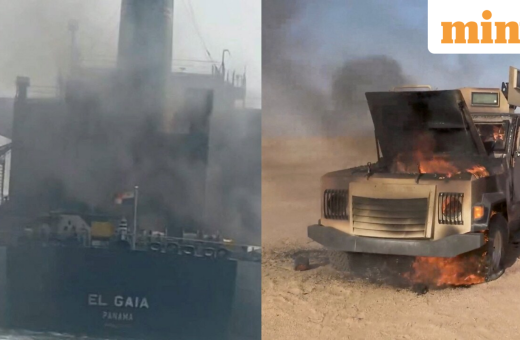
Vance said Iranian forces still sometimes fire on commercial vessels, though he characterized those attempts as generally unsuccessful. Continued incidents at sea underline the difficulty of separating military objectives on land from the wider economic and security effects of the war.
Strait of Hormuz remains central to the conflict
The Strait of Hormuz continues to be one of the most important pressure points. The narrow waterway is a vital route for global energy supplies and normally carries about one-fifth of the world’s seaborne oil shipments. Any sustained disruption there can affect shipping schedules, insurance costs and energy markets far beyond the immediate conflict zone.
Traffic through the strait has recovered to more than half of its usual level, though crossings remain substantially below the volume seen before the war. US forces have worked to remove mines from the waterway, while attacks on commercial vessels have continued intermittently.
The partial recovery in traffic offers some indication that shipping is still moving through the passage, but it does not mean conditions have returned to normal. For maritime operators and countries dependent on oil transported by sea, the strait remains a closely watched measure of regional risk.
Vance’s remarks point to a conflict entering a more complex period: one in which military gains, shipping security, Iran’s ability to recover and political expectations in Washington may all influence the path ahead. While the vice president offered no detailed timetable, he made clear that the administration expects the next several months to look different from the war’s opening phase.
Related Reading
Frequently Asked Questions
What is JD Vance says Iran war will?
JD Vance says Iran war will is the main topic of this guide. The article explains the context, practical details, and next steps readers should understand.
Why does JD Vance says Iran war will matter?
JD Vance says Iran war will matters because readers are looking for a useful answer, not just a short summary. Good content should match search intent and help them decide what to do next.