Israel reportedly denied access to US-Iran peace draft amid Trump-Netanyahu rift
Israel Denied Access to US-Iran Peace Draft Amid Trump-Netanyahu Rift Exclusion from Peace Initiative Israel reportedly denied access to US Iran - Recent
Israel Denied Access to US-Iran Peace Draft Amid Trump-Netanyahu Rift
Exclusion from Peace Initiative
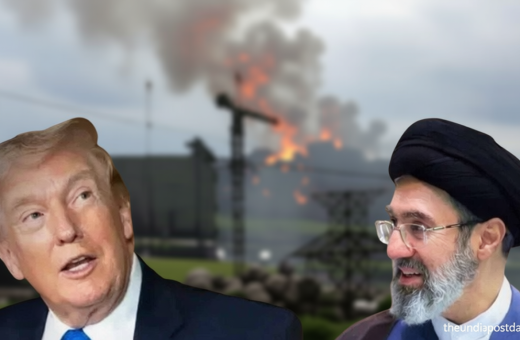
Theindiapostdaily.com – Recent reports indicate that Israel was reportedly denied access to a U.S.-Iran peace draft, marking a significant shift in the diplomatic landscape between Washington and Tel Aviv. An Israeli official disclosed that the government had been excluded from reviewing the memorandum of understanding (MoU) proposed by the Trump administration to resolve the long-standing conflict with Iran. This exclusion has raised concerns about the extent of U.S. engagement with Israel, particularly as tensions between the two leaders have escalated. The official noted that Israel had not received the document even after U.S. President Donald Trump claimed to have shared a copy with Israeli representatives, highlighting the growing divide in their strategic alignment.
Trump’s Frustrations with Netanyahu
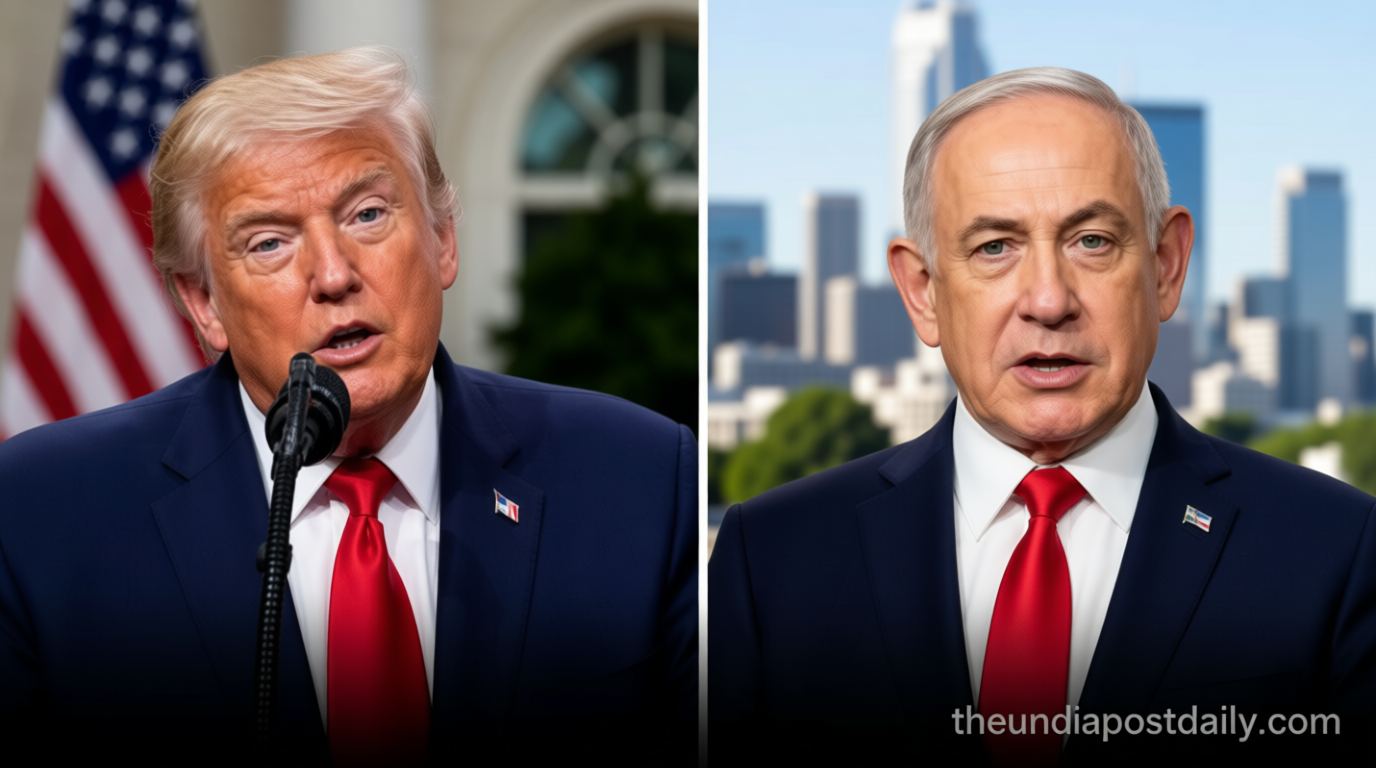
President Trump’s recent criticism of Israeli Prime Minister Benjamin Netanyahu underscores the deepening rift between the two allies. During a recent summit, Trump expressed frustration over Israel’s continued military operations against Iran-backed Hezbollah in Lebanon, questioning the effectiveness of such actions in achieving broader peace goals. He accused Netanyahu of making “crazy” decisions and emphasized that the U.S. had been instrumental in the survival of Israel. Trump’s comments reflect his broader dissatisfaction with Israel’s approach to the Iran conflict, which has included strikes on Iranian assets in Syria and Lebanon. This discord has implications for the peace process, as Israel’s participation is seen as crucial for regional stability.
The denial of access to the peace draft is believed to stem from Trump’s growing skepticism about Netanyahu’s leadership. Critics argue that the prime minister’s aggressive military stance in the region has undermined efforts to de-escalate the conflict. Trump, however, maintains that Israel’s actions are necessary to counter Iranian influence and protect national security. This tension has sparked debates about the future of U.S.-Israel relations and the role of the peace initiative in bridging the gap between the two nations.
Lebanon Operations Under Scrutiny
Trump’s critique of Israel’s military operations in Lebanon has drawn attention to the humanitarian toll of the conflict. He questioned the targeting of entire apartment buildings, arguing that such strikes risk civilian casualties and may complicate the peace process. This criticism aligns with broader concerns about the proportionality of Israel’s actions, particularly as Hezbollah continues its attacks in the region. The U.S. has called for a reduction in violence, but the denial of access to the peace draft suggests that Israel may not be fully aligned with this goal. The exclusion could signal a shift in the U.S. strategy, prioritizing direct negotiations with Iran over Israeli involvement.
Meanwhile, Israel has not publicly addressed Trump’s criticisms, despite the ongoing conflict with Hezbollah. The government has maintained its focus on military solutions, arguing that Iran’s regional ambitions require decisive action. This approach has drawn domestic support, but it also fuels international concerns about the potential for prolonged hostilities. The peace draft, however, represents a chance to formalize a diplomatic framework that could ease tensions, and Israel’s exclusion may delay its implementation.
Iran’s Position on the Agreement
Iranian Foreign Minister Abbas Araghchi has emphasized that Israel’s continued military operations in southern Lebanon are a breach of the proposed MoU. He stated that the end of hostilities in the region is essential to the success of the broader U.S.-Iran agreement, which aims to reduce Iran’s nuclear capabilities in exchange for sanctions relief. Araghchi warned that any further Israeli attacks or troop presence in Lebanon would constitute a violation of the pact. His remarks come as the U.S. and Iran work to finalize the deal, with Israel’s exclusion potentially complicating negotiations.
The peace draft includes provisions for a ceasefire in Lebanon and a commitment to halt Iranian military support for Hezbollah. However, Israel’s access to these details has been limited, raising questions about the transparency of the process. Analysts suggest that the Trump administration may be seeking to align Israel with the MoU’s terms, which could include reducing its military operations in the region. This move is seen as both a strategic and political decision, reflecting Trump’s desire to reset relations with Iran and address domestic pressures on his administration.
Domestic Pressures on Netanyahu
Netanyahu’s government has faced mounting domestic criticism for its handling of the Iran conflict. Opponents argue that his government has not done enough to weaken Iran and Hezbollah, with recent attacks attributed to Tehran’s retaliation against Israeli strikes. The denial of access to the peace draft has added to these concerns, as some view it as an indication that Israel is being sidelined in key diplomatic discussions. This could impact the country’s ability to influence the agreement and may lead to internal political strife within the Israeli government.
Despite the challenges, Netanyahu’s leadership remains popular among many Israelis, who see the military actions as necessary for national security. However, the peace draft offers a potential pathway to de-escalate tensions and secure long-term stability. By denying Israel access to the document, the Trump administration may have signaled a preference for direct negotiations with Iran, which could alter the balance of power in the region. This development highlights the complexities of the U.S.-Iran- Israel dynamic and the potential for the peace process to evolve rapidly.