Iran War Live Updates: Saudi-led coalition in Yemen says it intercepted Houthi drone south of Mecca
Tensions linked to the US-Iran war continued to ripple across the Middle East after Saudi air defences destroyed a Houthi drone south of Mecca, preventing it
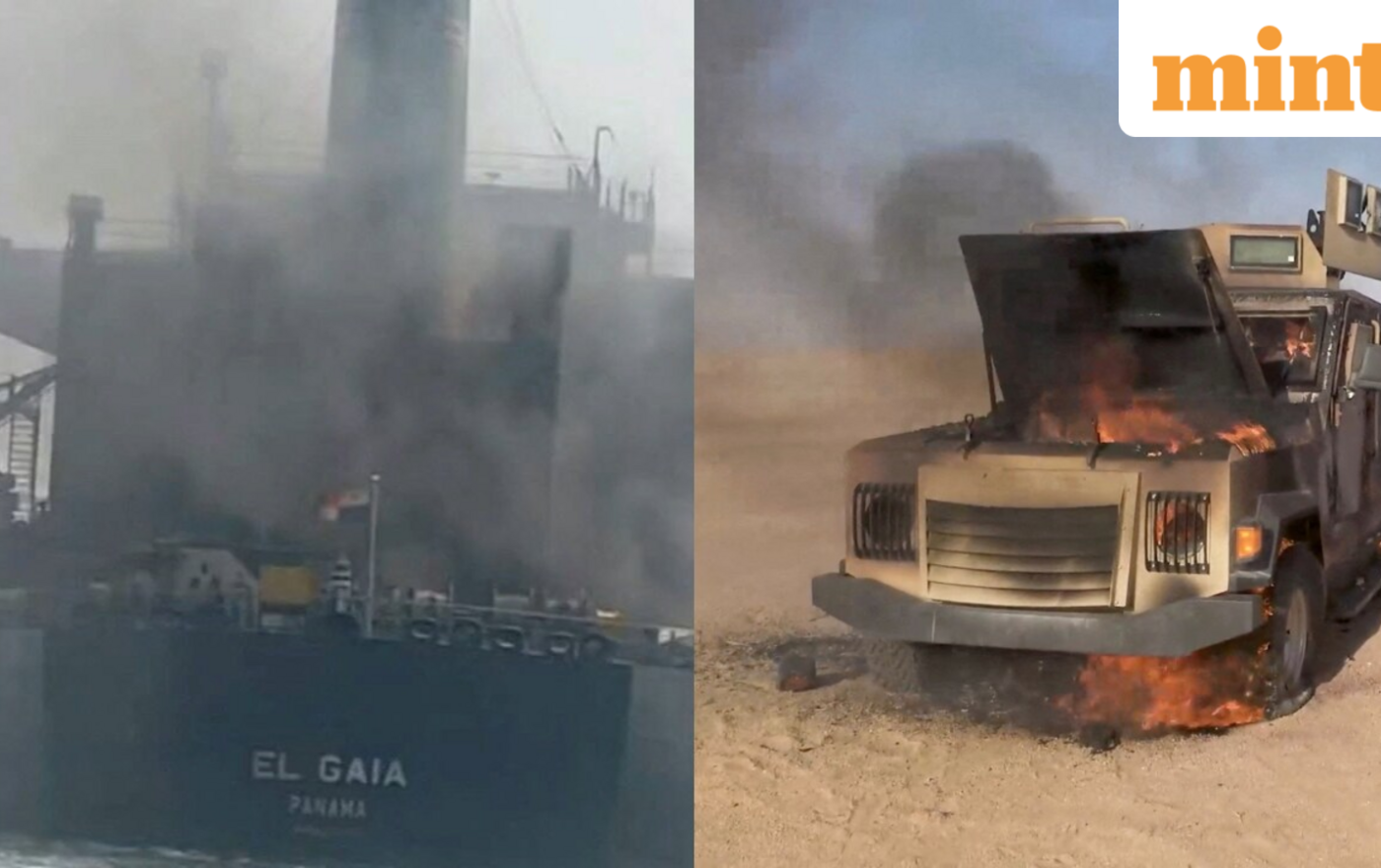
Saudi Air Defences Stop Houthi Drone Near Mecca as Regional Conflict Deepens
Theindiapostdaily.com – Tensions linked to the US-Iran war continued to ripple across the Middle East after Saudi air defences destroyed a Houthi drone south of Mecca, preventing it from entering restricted airspace around the holy city. The incident came as explosions were heard on Iran’s Qeshm Island and concern grew over the financial and energy-market consequences of a conflict now entering its sixth month.
The developments underline how fighting involving the United States and Iran has extended beyond direct military pressure, affecting airspace security, oil infrastructure and economic forecasts across the region. Saudi Arabia’s role has drawn particular attention because of its strategic location, its major energy facilities and the religious importance of Mecca.
Drone Destroyed Before Reaching Restricted Area
The Saudi-led coalition said it intercepted and eliminated a Houthi drone south of Mecca before the aircraft could cross into prohibited airspace over the city. Protection of the area surrounding Mecca is especially sensitive because it is Islam’s holiest city and receives millions of pilgrims during major religious periods.
The Houthis rejected the suggestion that their operations posed a danger to Mecca or any other holy site. Their denial highlights the political and religious sensitivity surrounding attacks or alleged attacks near locations with profound significance to Muslims worldwide.
Drone activity has become a central security concern in the wider region. Unmanned aircraft can be launched over significant distances and can force authorities to respond rapidly, particularly when they approach populated areas, transport routes or critical facilities. Saudi Arabia has faced repeated threats to its territory during years of conflict involving the Houthis in Yemen.
Explosions Heard on Qeshm Island
Several explosions were heard on Qeshm Island, off Iran’s southern coast, Iran’s state news agency IRNA said while citing local sources. The sounds appeared to come from the direction of the sea, though the available information did not establish what caused them or identify a target.
Qeshm Island sits in a strategically important part of the Gulf region, close to the Strait of Hormuz. The narrow waterway is one of the world’s most consequential maritime passages because a large volume of oil and other goods moves through it. Any indication of unrest near the strait can heighten anxiety among governments, shipping companies and energy traders.
Even when the immediate facts of an incident remain unclear, explosions or military activity near major sea lanes can affect perceptions of risk. That can lead to increased security precautions, more expensive transport arrangements and fresh questions over the reliability of energy supplies.
US Conflict Costs Reach $38 Billion
The Congressional Budget Office has put the cost of the six-month US war against Iran at $38 billion so far. Its projection indicates that spending could increase by roughly $3 billion each month if the conflict continues at its present pace.
The financial burden is not confined to military expenditure. The conflict is also expected to lift inflation by 0.5% during the first three months of 2027. Higher inflation can affect households and businesses through increased prices, while governments may face tougher choices over spending, borrowing and economic policy.
War-related costs often spread beyond the original battlefield. Energy prices, insurance costs, shipping disruptions and supply concerns can shape economic conditions well outside the Middle East. The projected inflation effect illustrates why the conflict is being watched not only as a security crisis but also as a potential pressure point for the broader economy.
For readers following the situation, the most important indicators will include the duration of military operations, the security of maritime routes and the status of oil production and transport networks. Those factors can influence whether the economic effects remain limited or become more widely felt.
Saudi East-West Pipeline May Return Soon
US Energy Secretary Chris Wright said Saudi Arabia’s East-West Pipeline could resume operations within days after attacks by Iran-aligned groups forced its shutdown. The pipeline is a vital part of Saudi oil infrastructure because it offers a route across the kingdom, reducing reliance on export passages near the Gulf.
Its possible return would be closely monitored by oil markets and regional governments. Restoring the pipeline could help strengthen Saudi Arabia’s ability to move crude while concerns persist around maritime security and the Strait of Hormuz.
However, estimates of the repair timeline are not uniform. Sources familiar with the damage have offered differing assessments, with one estimate suggesting repairs could require five to six weeks. The gap between an early restart and a longer repair schedule reflects the uncertainty that can surround damage assessments after attacks on large-scale infrastructure.
The pipeline’s status matters because energy systems depend on alternatives and redundancy when a key route is disrupted. A functioning cross-country pipeline can provide flexibility, but sustained instability can still create pressure on logistics, maintenance crews and security planning.
A Conflict With Regional and Global Consequences
The drone interception near Mecca, the unexplained blasts near Qeshm Island, the rising US war bill and uncertainty around Saudi oil transport all point to the same broader reality: the conflict is creating risks across several fronts at once. Military developments remain important, but so do the consequences for civilians, religious sites, shipping routes and the global energy system.
Whether Saudi Arabia’s East-West Pipeline returns within days or needs weeks of work will be a significant near-term test. At the same time, security authorities will remain focused on preventing further drone incursions near population centres and sensitive locations. As the war continues, each new incident has the potential to deepen uncertainty across the Middle East and beyond.
Related Reading
Frequently Asked Questions
What is Iran War Live Updates?
Iran War Live Updates is the main topic of this guide. The article explains the context, practical details, and next steps readers should understand.
Why does Iran War Live Updates matter?
Iran War Live Updates matters because readers are looking for a useful answer, not just a short summary. Good content should match search intent and help them decide what to do next.