Iran vs Belgium at FIFA World Cup 2026: US-Iran peace deal, travel bans and ‘oppressed remark’ – All you need to know
Iran vs Belgium at FIFA World Cup 2026: US-Iran Peace Deal and Travel Restrictions Theindiapostdaily.com – Iran’s national team will face Belgium in a critical Group G encounter at SoFi…
Iran vs Belgium at FIFA World Cup 2026: US-Iran Peace Deal and Travel Restrictions
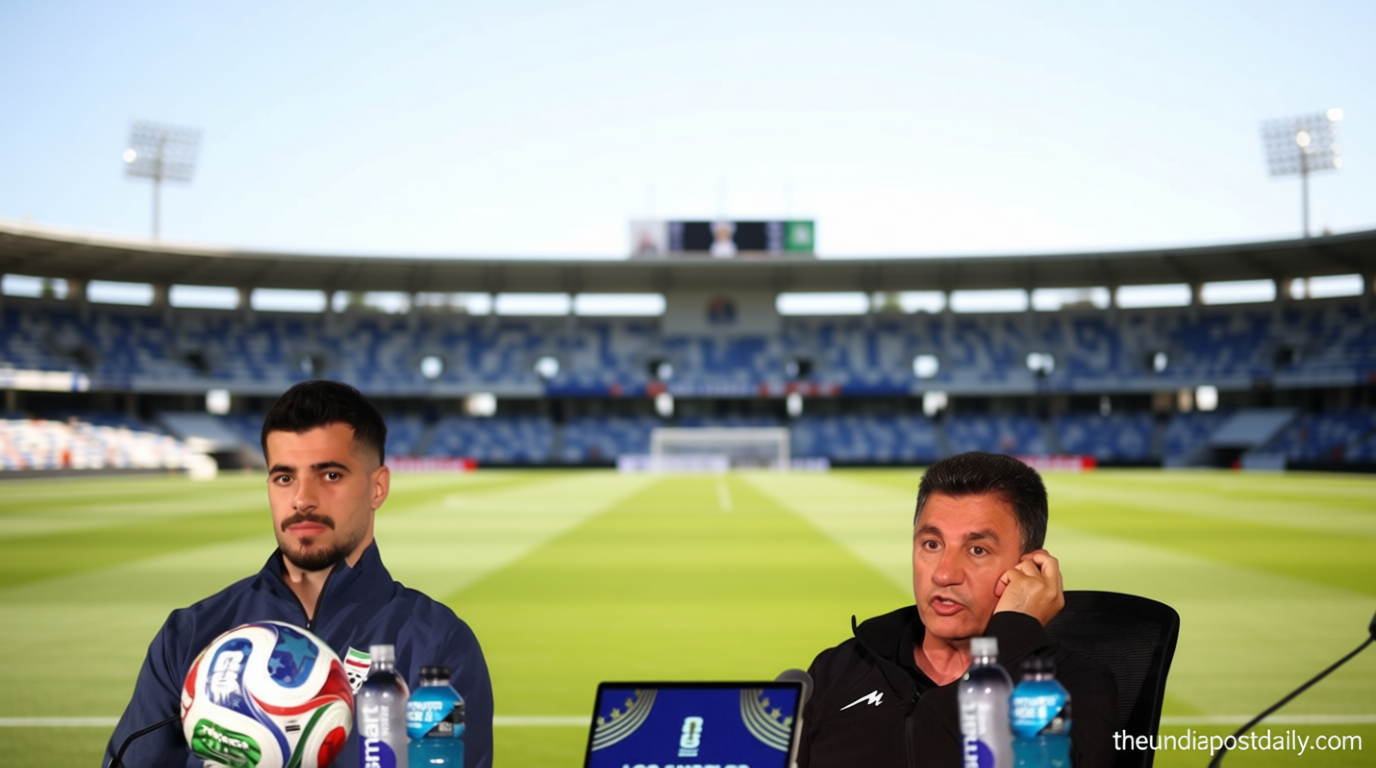
Theindiapostdaily.com – Iran’s national team will face Belgium in a critical Group G encounter at SoFi Stadium in Los Angeles on Sunday, as the FIFA World Cup 2026 unfolds. This match is set against a backdrop of political tensions between the U.S. and Iran, which have influenced travel policies and team logistics. Despite a recent ceasefire agreement, the stringent visa requirements and security measures for Iranian players and staff remain in place, raising questions about the impact on their preparation and performance.
Logistical Struggles and Restricted Movement
Iran’s squad, based in Tijuana, Mexico, is navigating a complex set of protocols for games in the U.S. For the Belgium clash, the team arrived just hours before kickoff, unable to secure earlier entry due to lingering visa hurdles. This last-minute arrival disrupted their training schedule, leaving coach Amir Ghalenoei with limited time to strategize. While players and coaches have received U.S. entry clearance as a gesture of goodwill, support staff continue to face delays, highlighting the uneven application of restrictions.
Following their 2-2 draw with New Zealand, the team returned to Mexico immediately, skipping overnight recovery. This compressed timeline has led to physical fatigue and concerns about long-term effects on their fitness. Ghalenoei emphasized that the frequent travel and in-and-out schedule have created challenges, even as the U.S. government has promised more flexibility for their final group match against Egypt in Seattle.
Coach’s Frustration Over Inconsistent Policies
Amir Ghalenoei expressed disappointment with the U.S. approach to travel restrictions, noting the contrast between the leniency shown for the final game and the strict rules applied to earlier matches. “They said in Seattle, you can do what you want, and you can come earlier,” he remarked, questioning why the same flexibility wasn’t extended to the Belgium game. The coach highlighted how the grueling travel schedule has affected the team’s morale and tactical execution.
“There were errors, individual ones… because we have been flying too much, commuting, as a result of this long commute, we’ve been tired,” Ghalenoei explained after the draw. His comments underscore the physical and mental strain caused by the rigid protocols, which he believes have hindered Iran’s ability to perform at their best.
The Iranian team has acknowledged Mexico’s hospitality while criticizing the U.S. measures as overly restrictive. They plan to escalate their concerns to FIFA, seeking adjustments to their itinerary to ensure optimal conditions for the rest of the tournament. The situation reflects a broader tension between political considerations and the practical needs of athletes competing on the global stage.
Group G Dynamics and Knockout Prospects
Iran and Belgium both enter the match with one point from their opening games. Iran’s 2-2 draw against New Zealand demonstrated resilience but also exposed defensive frailties and fatigue. Belgium, having drawn 1-1 with Egypt, maintains their strong form and remains a top contender for the knockout rounds. The FIFA World Cup 2026 format, with its expanded group stage, adds another layer of complexity to the competition.
With only one match remaining in the group phase, both teams aim to secure a better position for the next stage. A victory for either side would significantly enhance their chances, but the Iranian squad’s ability to adapt to the travel constraints will be crucial. The outcome of this high-stakes encounter could shape the trajectory of their campaign in the world’s most prestigious football tournament.
Political Context and Security Measures
The U.S. has implemented travel bans and security protocols for Iranian players, citing ongoing concerns about the country’s political landscape. These measures, while aimed at safeguarding national interests, have impacted the team’s ability to travel freely. White House officials have stated that the situation is under review, but the initial restrictions have created a challenging environment for the Iranian delegation.
The FIFA World Cup 2026 serves as a platform for diplomatic engagement, with the recent US-Iran peace deal offering a glimmer of hope. However, the travel restrictions suggest that political considerations still play a significant role in shaping the tournament experience. As Iran prepares for their clash with Belgium, the balance between security and sportsmanship will be closely watched by fans and analysts alike.