Iran says no deal to reopen Hormuz, denies asking Trump to pause strikes: What we know so far
Iran says no deal to reopen the Strait of Hormuz, rejecting US President Donald Trump's claims that Tehran had agreed to a diplomatic arrangement to restore
Iran Says No Deal to Reopen Hormuz: Latest Developments
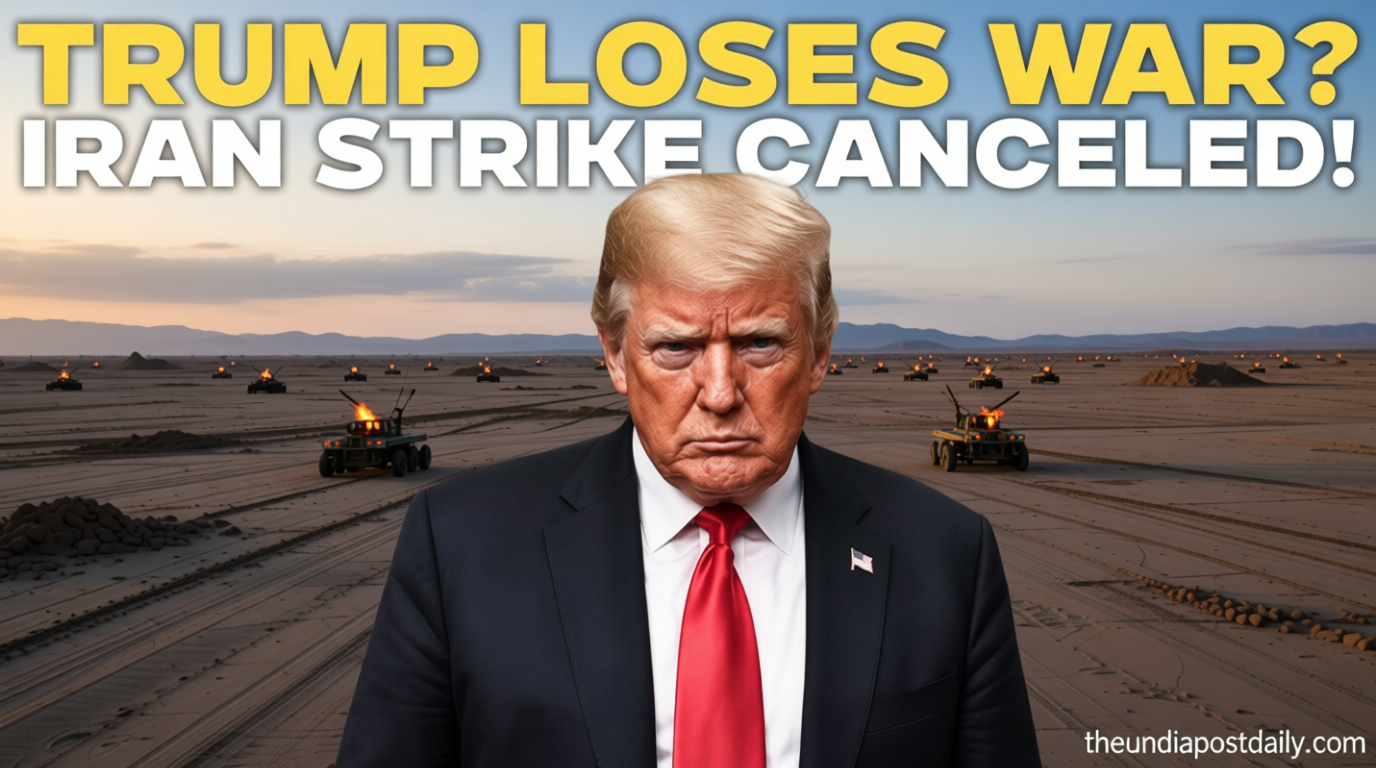
Theindiapostdaily.com – Iran says no deal to reopen the Strait of Hormuz, rejecting US President Donald Trump’s claims that Tehran had agreed to a diplomatic arrangement to restore normal shipping traffic. On Sunday, August 2, Iranian officials firmly denied both the existence of a reopening agreement and allegations that they had requested Washington to pause planned military strikes against the Islamic Republic.
The Iranian government maintained that the strategic waterway would remain closed as long as the United States continued what it termed “hostile actions” in the region. This position comes amid escalating tensions between the two nations, with Iran imposing strict controls over maritime traffic through the critical shipping lane.
Trump’s Claims Meet Iranian Denial
Trump had previously stated on Truth Social that the United States and Israel had agreed to suspend planned attacks on Iran after Tehran and other Middle Eastern countries requested time to finalize a diplomatic agreement. The US president claimed that Iran had asked for a pause in strikes while negotiations continued.
“Based on this request, I have agreed… to cancel the attack, subject to being able to rapidly make a DEAL,” Trump wrote on his social media platform.
However, Iranian officials quickly dismissed these assertions. Fars News Agency, citing a source close to Iranian negotiators, reported that no such agreement had been reached regarding the Hormuz Strait reopening. The source emphasized that maritime traffic would remain restricted until US hostility subsided.
Regional Diplomacy Intensifies
While Tehran rejected Trump’s claims, diplomatic efforts across the Middle East gained momentum. Saudi Crown Prince Mohammed bin Salman held discussions with the US president before the strike pause announcement. According to the Saudi Press Agency, the crown prince stressed the importance of dialogue in reducing regional tensions.
People familiar with the Saudi-US conversation revealed that Riyadh feared renewed military action could provoke Iranian retaliation against Gulf energy infrastructure. Iran simultaneously engaged in diplomatic contacts with Saudi Arabia, Pakistan, and Turkey, focusing on preventing further escalation of regional tensions.
Iran Maintains Military Readiness
Iran’s defence minister stated that the country was “neither surprised nor passive” following Trump’s announcement. Iranian armed forces remained on high alert, with military officials describing Trump’s allegations as “nothing but a new lie.” The Strait of Hormuz has seen increased Iranian naval activity, with vessels targeting ships attempting unauthorized passage.
The US State Department issued fresh security alerts across multiple Middle Eastern nations, including Bahrain, Israel, Iraq, Jordan, Kuwait, Lebanon, Oman, Qatar, Saudi Arabia, and the United Arab Emirates. American citizens were urged to prepare for potential flight cancellations and airspace closures.
FAQ: Iran Hormuz Strait Situation
What is the current status of the Strait of Hormuz?
The Strait of Hormuz remains closed to normal commercial traffic. Iran requires vessels to obtain authorization and pay transit fees before passing through the waterway. Iranian naval forces continue to monitor and control maritime traffic in the region.
Has Iran officially agreed to reopen the Hormuz Strait?
No. Iranian officials have explicitly stated that no deal exists to reopen the Hormuz Strait. The reopening is contingent upon the United States reducing its “hostile actions” in the region.
Will the US resume military strikes on Iran?
Trump announced a temporary pause in planned strikes, but the suspension is conditional. The US president indicated that military action could resume if diplomatic negotiations fail to produce a satisfactory agreement.
How are regional countries responding to the tensions?
Saudi Arabia, Pakistan, and Turkey are actively engaged in diplomatic efforts to prevent further escalation. Regional nations are particularly concerned about potential threats to energy infrastructure and maritime trade routes.