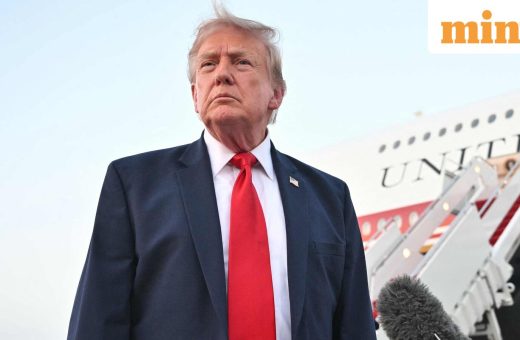
‘Ill-advised’, ‘worst foreign policy blunder in decades’: Here’s how Republicans responded to Trump’s interim Iran deal
Ill-Advised: Republicans Criticize Trump's Iran Deal as Worst Foreign Policy Blunder Ill advised worst foreign policy blunder - President Donald Trump's
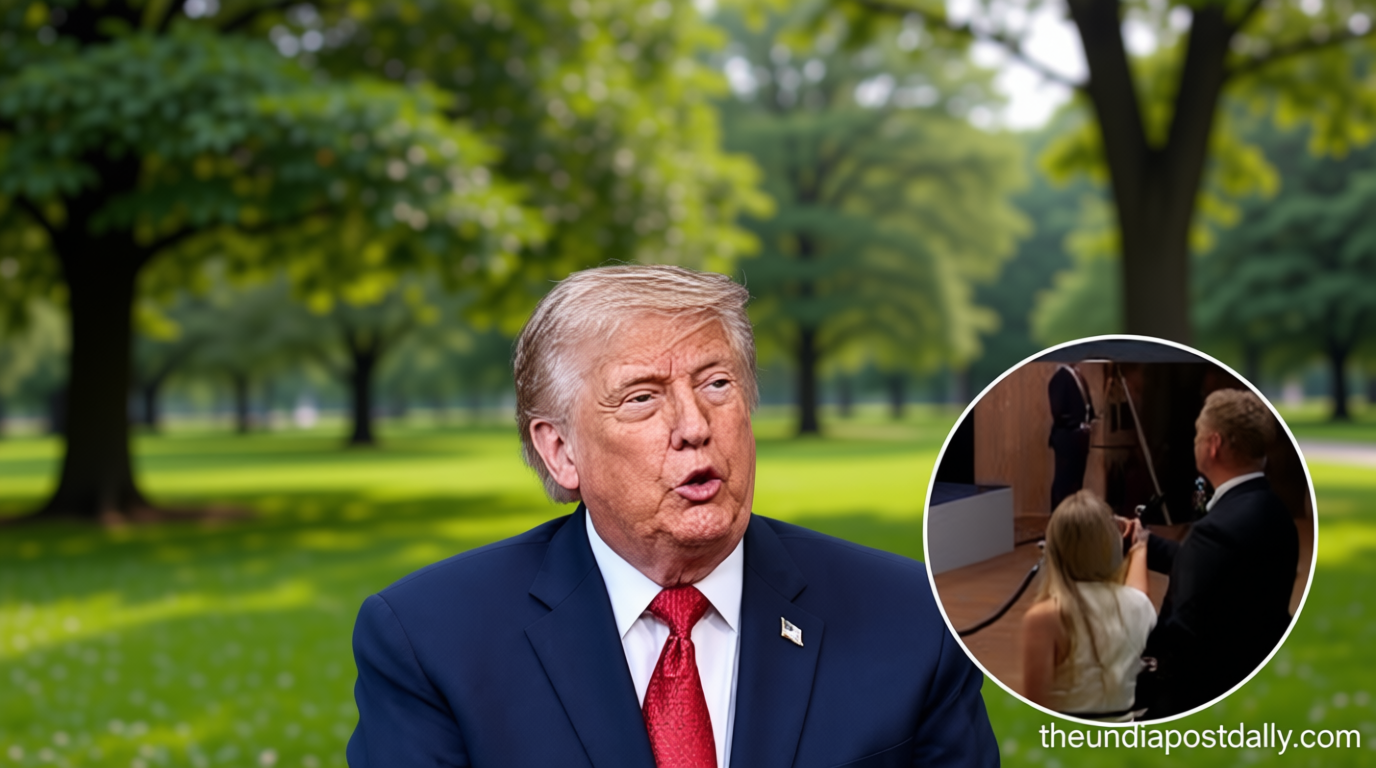
Ill-Advised: Republicans Criticize Trump’s Iran Deal as Worst Foreign Policy Blunder
Theindiapostdaily.com – President Donald Trump’s interim Iran deal has sparked fierce backlash from within the Republican Party, with critics labeling it an “ill-advised” move and the “worst foreign policy blunder in decades.” The agreement, reached during the Group of Seven (G7) summit in Versailles, France, aims to ease economic sanctions on Iran in exchange for temporary limits on its nuclear program. However, many Republican lawmakers argue that the deal sacrifices long-term strategic interests for short-term political gains, raising concerns about its impact on U.S. security and regional stability.
Republican Concerns Over Strategic Trade-offs
Several high-profile Republican figures have voiced their opposition to the deal, emphasizing its perceived weaknesses. Senator Bill Cassidy of Louisiana called the agreement “a dangerous gamble” that allows Iran to maintain its nuclear capabilities without meaningful concessions. He argued that the deal fails to address Iran’s regional aggression and its support for groups like Hezbollah and Hamas. Similarly, Senator Roger Wicker, chair of the Senate Armed Services Committee, warned that the memorandum of understanding (MoU) could weaken U.S. leverage in the Middle East, particularly by reducing sanctions on Iran’s oil exports.
“The U.S. has made a deal that allows Iran to continue its nuclear ambitions while lifting economic penalties, which could embolden the regime and undermine our alliances.”
Other Republicans echoed these sentiments, highlighting the deal’s potential to reverse progress made in curbing Iran’s nuclear program. Texas Senator John Cornyn stated that the agreement “undermines the progress we’ve made in containing Iran’s nuclear threat,” while Alaska Senator Lisa Murkowski pointed to the deal’s failure to address Iran’s long-term goals. Critics also stressed the economic implications, noting that the deal might lead to increased oil prices and trade imbalances, further straining domestic budgets.
Trump and Vance’s Defense of the Agreement
Despite the criticism, Trump and Vice President JD Vance have defended the deal as a necessary step to stabilize global markets and strengthen U.S.-Iran relations. In a post on Truth Social, Trump claimed the agreement “boosts the stock market and lowers oil prices,” framing it as a success. Vance, during a White House briefing, dismissed the opposition, saying the deal “shows the strength of American diplomacy” and “keeps the door open for long-term negotiations.” He also criticized opponents for their “chaotic” messaging, arguing that the deal avoids the chaos of war and secures critical economic benefits.
Proponents of the deal, including some Republican officials, believe it provides a temporary reprieve from conflict while giving the administration time to pursue a more comprehensive agreement. They argue that the MoU avoids a potential military showdown in the Strait of Hormuz, which could have disrupted global oil supplies and triggered economic instability. However, opponents counter that the agreement lacks binding commitments and may give Iran the opportunity to build up its nuclear arsenal before a final deal is finalized.
Broader Political Implications
The debate over the Iran deal reflects a growing divide within the Republican Party, particularly as the November midterm elections approach. While Trump’s base remains largely supportive, some lawmakers are questioning his foreign policy decisions, citing the deal as evidence of a shift toward more conciliatory tactics. This internal criticism has also drawn attention to the administration’s broader strategy, with concerns that the agreement could erode public trust in Trump’s leadership and weaken his re-election prospects.
Analysts note that the deal’s reception may influence the party’s messaging ahead of the midterms, as lawmakers balance their loyalty to Trump with the need to appeal to voters. The focus on the “worst foreign policy blunder” has become a rallying point for critics, who argue that the agreement risks long-term security and economic stability. Meanwhile, supporters insist it is a pragmatic approach to avoiding unnecessary conflict and securing favorable terms for the U.S. in a volatile region.
As the political discourse continues, the “ill-advised” label is likely to shape the narrative around the deal. With the G7 summit marking a pivotal moment in U.S.-Iran relations, the Republican Party’s response underscores the high stakes of this foreign policy decision. Whether the deal is viewed as a strategic win or a costly mistake will depend on how its long-term consequences unfold, particularly in terms of Iran’s nuclear progress and U.S. influence in the region.