ICE agent fatally shoots man during immigration operation in Maine, prompting FBI probe and protests
ICE Agent Fatally Shoots Man During Immigration Operation in Maine, Triggering FBI Probe and Protests ICE agent fatally shoots man during - During an
ICE Agent Fatally Shoots Man During Immigration Operation in Maine, Triggering FBI Probe and Protests
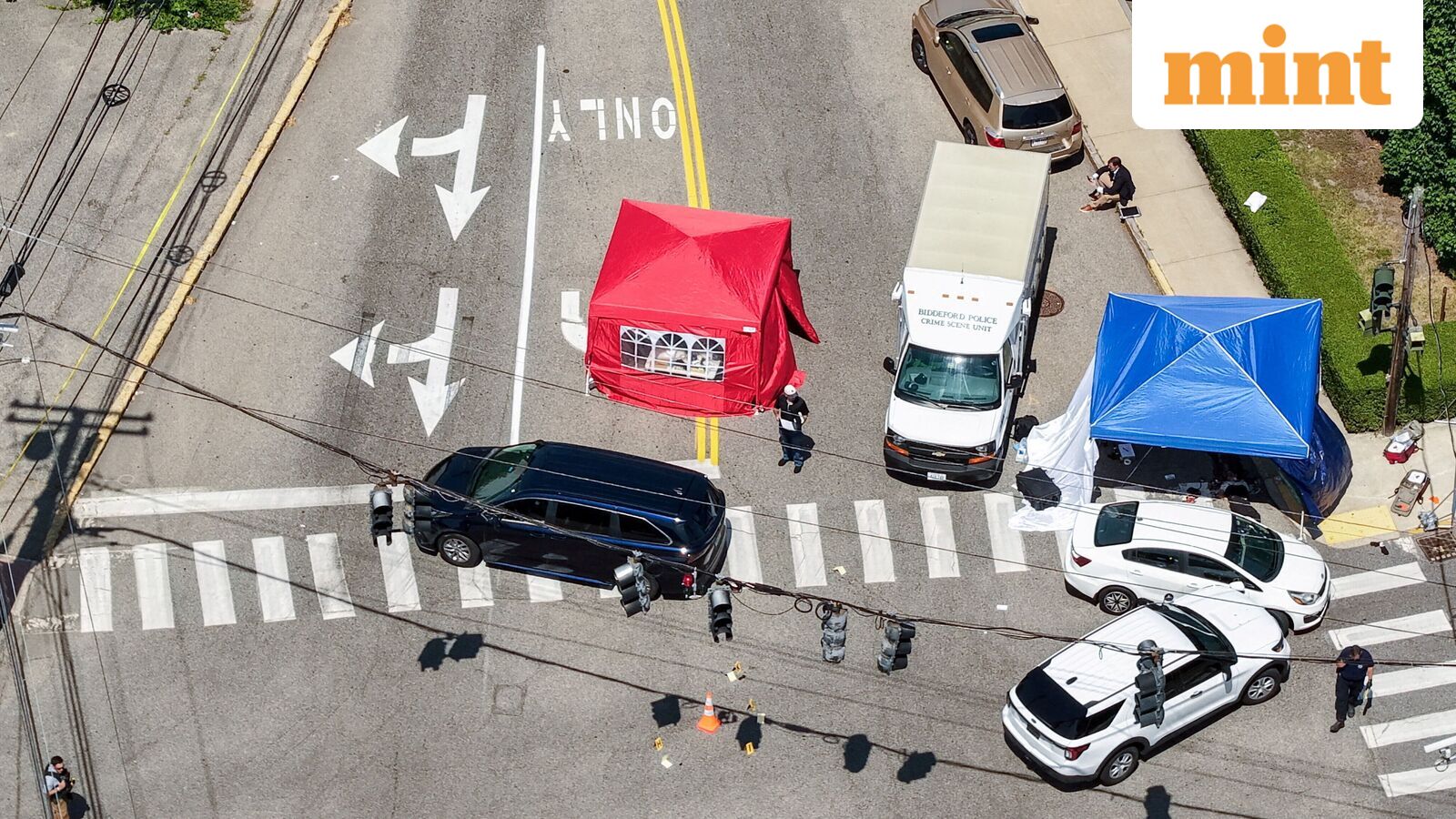
Theindiapostdaily.com – During an immigration operation in Biddeford, Maine, a 26-year-old Colombian man was fatally shot by an ICE agent, sparking an FBI investigation and public demonstrations. The incident, which occurred on Monday, has intensified scrutiny over the agency’s use of force and its interactions with individuals during raids. Advocates and local leaders are calling for transparency, as the shooting has reignited debates about immigration enforcement practices and the rights of detainees.
Incident Overview and Officer Actions
The fatal shooting took place in Biddeford, a city approximately 15 miles southwest of Portland, where an ICE operation targeted undocumented immigrants. According to Homeland Security Secretary Markwayne Mullin, the victim was described as having “weaponized” his vehicle during the encounter, leading to the agent’s decision to use deadly force. While the exact circumstances remain under review, the claim that the man posed a threat to officers is central to ICE’s justification for the action.
“He was in a vehicle — pulled out in the vehicle, and the term the secretary used was ‘weaponized’ the vehicle and was shot by an ICE agent,” Senator Angus King explained during a press briefing. “The key questions now are whether the threat was immediate and whether the use of force was appropriate.”
Officials have not yet released the victim’s name, though advocacy groups have confirmed his status as a legal resident with a valid Social Security number. Video footage from the scene shows the car with bullet holes in its windshield, parked near a white SUV displaying emergency lights. The incident has raised concerns about the accuracy of ICE’s narrative and the potential for over-policing in the region.
Community Response and Public Demonstrations
Within hours of the shooting, local protesters gathered in Biddeford to demand answers. Over 200 demonstrators marched to the office of Republican Senator Susan Collins, who represents the state and is running for re-election. Some participants entered the building, chanting “ICE out!” and “Vote her out!” as they urged officials to clarify the situation and address concerns about the agency’s methods.
“The question is, what did he do with his vehicle?” King reiterated. “Were officers threatened? Were the threats rising to the level that justified deadly force? That’s what this investigation is all about.”
Democratic Representative Chellie Pingree, whose district includes Biddeford, took to social media to express her dismay. “More than anything else, I want to know: why are you in Maine?” she said, highlighting the growing frustration among residents about the frequency of ICE operations in their communities. Local advocacy groups have since organized vigils and rallies, emphasizing the need for accountability and reform.
Broader Implications for ICE Enforcement
This tragic event follows a similar incident in Houston, Texas, where an ICE agent shot and killed Lorenzo Salgado Araujo during a traffic stop just six days earlier. In that case, ICE claimed the man had rammed a law enforcement vehicle and attempted to run over an officer before being fired upon. While both incidents share a pattern of using lethal force, details about the victims’ actions and the officers’ responses remain contested.
“This is not just about one incident,” said a spokesperson for a national immigrant rights organization. “It’s about a system that has resulted in nine deaths since the Trump administration expanded its enforcement efforts.”
Since the start of the Trump era, ICE has significantly increased its arrest numbers, with over 10,000 people detained in a single five-day period in June. In Maine, arrests have surged more than fourfold since early June, reaching approximately 70 per day by early July. Critics argue that the heightened enforcement has led to a greater risk of fatal encounters, particularly in areas with dense immigrant populations.
Legal and Policy Context
The use of deadly force by ICE agents has been a contentious issue for years, with debates over whether it aligns with legal standards. Federal guidelines state that agents may use force to protect themselves or others, but the threshold for lethal force is often disputed. Legal experts note that the victim’s actions, such as driving a car into an officer, could be interpreted as a threat, yet the proportionality of the response remains under question.
“The application of force must be justified by a reasonable belief of imminent danger,” said a legal analyst. “This case will be critical in determining whether ICE’s tactics meet that standard.”
Additionally, the incident has drawn attention to the broader implications of federal immigration policies. With the current administration continuing enforcement efforts, critics warn that the shooting could further erode public trust in ICE and influence future legislative changes. Advocates are now pushing for stricter oversight and clearer protocols to prevent similar tragedies.
Public Reaction and Media Coverage
News outlets across the country have highlighted the shooting, emphasizing its role in a larger narrative of immigration enforcement. The incident has also sparked conversations about the psychological stress experienced by individuals during raids and the potential for misjudgment in high-pressure situations. Social media has amplified the calls for accountability, with hashtags like #ICEShooting and #MaineProtests trending locally and nationally.
“This is a moment that could shift the conversation about immigration,” said a journalist covering the event. “It’s not just about the shooting; it’s about how the public perceives the agency’s role in society.”
As the FBI investigation progresses, the focus is on determining whether the shooting was a justified response or a case of excessive force. The outcome could have significant implications for ICE’s operations and the legal frameworks governing its interactions with individuals during immigration raids. Meanwhile, the community in Biddeford continues to demand answers and a commitment to reform.