Hormuz tensions escalate: US launches fresh strikes on Iran over threats to commercial shipping
The Strait of Hormuz, a critical chokepoint for global oil trade, has seen tensions escalate as the United
Hormuz Tensions Escalate: US Airstrikes Target Iran Over Shipping Threats
Theindiapostdaily.com – The Strait of Hormuz, a critical chokepoint for global oil trade, has seen tensions escalate as the United States launched fresh airstrikes against Iran. The U.S. military action, directed by President Donald Trump, aims to curb Tehran’s ability to disrupt commercial shipping in the region. These strikes come amid heightened clashes between Washington and Iran, with both sides accusing each other of aggressive moves that threaten the free flow of maritime traffic.
U.S. Strikes in Response to Iranian Threats
On Sunday, U.S. forces executed airstrikes targeting Iranian military assets near the Strait of Hormuz, according to the Central Command (CENTCOM). The operation was timed to respond to Iran’s recent threats against commercial vessels, which have raised concerns among international shipping companies and regional allies. “These strikes are part of our efforts to maintain freedom of navigation and protect maritime commerce,” CENTCOM clarified in a statement. The U.S. emphasized that its actions are a defensive measure to prevent Iran from escalating its influence in the strategic waterway.
“The Commander in Chief has directed the strikes to hold Iranian forces accountable for their threats to commercial shipping,”
said CENTCOM, underscoring the administration’s commitment to safeguarding global trade routes.
Iranian Reports of Attacks and Casualties
Iranian state media reported that the strikes targeted military installations on Qeshm Island, located near the Strait of Hormuz. While no immediate casualties were confirmed, Farur Island in Hormozgan province saw attacks that reportedly killed one employee of Iran’s Mobile Communications Company and injured two others. The Iranian Revolutionary Guard Corps (IRGC) issued statements asserting that these strikes were necessary to counter U.S. aggression, which they claim has destabilized the region.
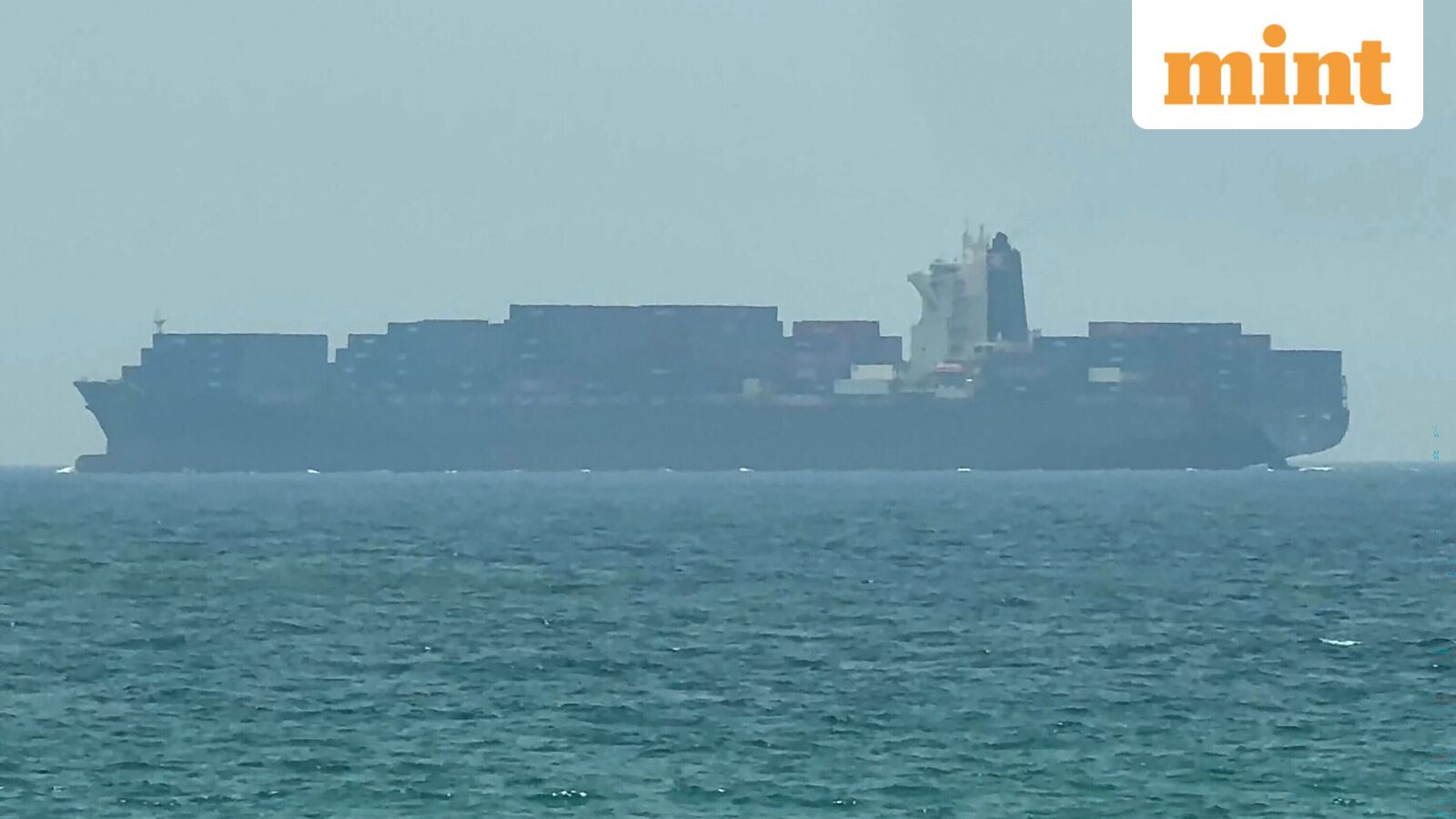
The incidents follow an Iranian attack on a Cyprus-flagged container ship earlier this week, which left the vessel ablaze and one crew member missing. This event intensified fears of further escalations, as the strait is a lifeline for over 20% of the world’s oil exports. The U.S. and Iran continue to trade accusations, with each side framing the other as the aggressor in the ongoing standoff.
Regional Reactions to Escalating Hormuz Tensions
Iran’s retaliation extended beyond its borders, with missile and drone attacks targeting allied nations in the Gulf. Countries such as Bahrain, Kuwait, Qatar, Jordan, and Oman raised alerts, though Qatar’s air defenses successfully intercepted some projectiles. Debris from the strikes injured three individuals, including a child, in Oman, while Kuwait reported damage to border facilities and an oil platform. The attacks have prompted diplomatic responses, with Oman accusing Iran of “irresponsible” actions that jeopardize regional stability.
Meanwhile, the U.S. reiterated its stance that the Strait of Hormuz remains open to all vessels. CENTCOM confirmed that the waterway is operational and that the strikes were designed to deter Iranian threats, not to block passage. This assertion comes as the dispute over Hormuz tensions continues to draw attention from global energy markets and maritime security experts.
Strategic Significance of the Hormuz Waterway
The Strait of Hormuz is not just a geographical passage but a geopolitical flashpoint. As a narrow corridor linking the Gulf to the Arabian Sea, it is vital for transporting oil from the Middle East to global markets. Iran’s claim of partial closure has raised alarms, with the Islamic Revolutionary Guard Corps (IRGC) warning that the strait would stay closed until the U.S. withdraws its forces. The IRGC’s statement highlights the broader implications of the escalating Hormuz tensions, as any disruption could lead to a spike in energy prices and supply chain crises.
“We hereby inform all esteemed applicants. Due to the recent illegal movements of the United States military forces in the region, passage through the Strait of Hormuz is currently not possible,”
said Iran’s official news agency, reinforcing the nation’s position in the ongoing dispute.
Global Implications and Diplomatic Challenges
Escalating Hormuz tensions have drawn international attention, with energy analysts warning of potential ripple effects on global oil markets. The U.S. and Iran’s rivalry over the strait has intensified in recent months, following a series of incidents involving Iranian attacks on commercial ships and U.S. military presence in the region. Experts note that the waterway’s strategic importance makes it a focal point for both nations, with each seeking to assert dominance over the area.
Despite the current crisis, the U.S. has maintained that its operations are lawful and aimed at securing freedom of navigation. The strikes are part of a broader strategy to counter Iran’s growing influence in the Gulf, which has been further complicated by its nuclear program and regional alliances. As Hormuz tensions escalate, the international community watches closely, hoping to prevent a full-scale conflict that could disrupt the flow of critical resources.