H-1B visa issue: Trump administration proposes scrapping 60-day grace period, Indian techies to be affected
Foreign professionals in the United States could face a far more immediate departure requirement after losing their jobs under a proposal issued by the
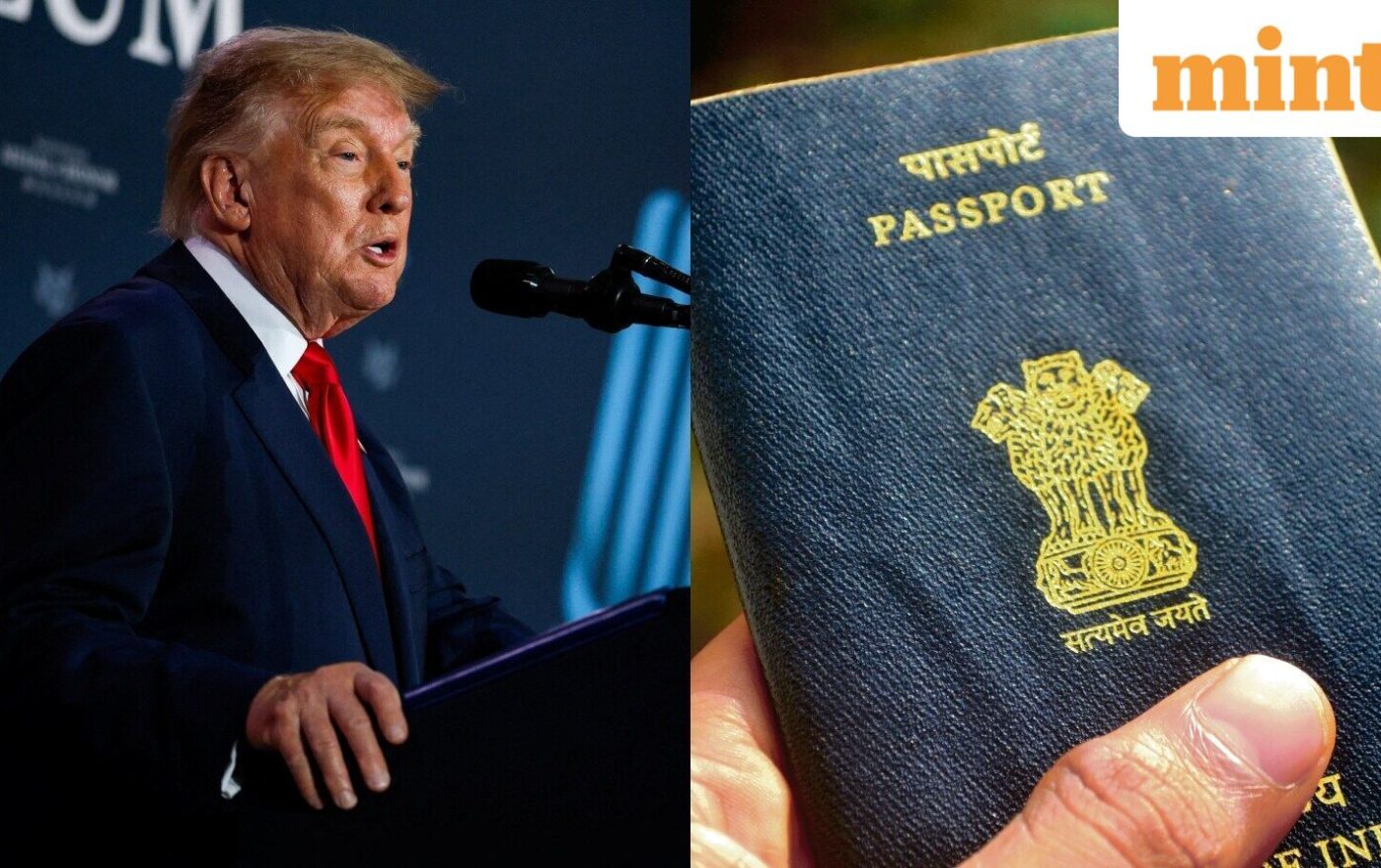
US Proposal Could End 60-Day Job-Loss Window for H-1B Workers
Theindiapostdaily.com – Foreign professionals in the United States could face a far more immediate departure requirement after losing their jobs under a proposal issued by the Department of Homeland Security. The plan would remove the 60-day grace period currently available to many H-1B visa holders and other temporary workers whose employment ends.
If the rule is adopted, affected workers would generally need to leave the country once their job terminates instead of having up to two months to find a new employer, transfer sponsorship, or arrange an orderly relocation. The potential change carries particular significance for Indian technology professionals, who make up a substantial share of workers employed through the H-1B programme.
What the proposed change would mean
The H-1B grace period was introduced in 2017. It has allowed eligible workers a limited period of up to 60 consecutive days, or until the end of their authorised stay if that comes first, after employment ends. During that time, a worker may seek another role with an employer prepared to submit a new petition, change immigration status where eligible, or prepare to depart the United States.
Under the new proposal published in the Federal Register, H-1B holders and people with several other temporary work classifications would no longer have that two-month buffer after a job loss. A layoff or other termination could therefore create an immediate immigration deadline.
The issue has become more prominent as job cuts have affected parts of the technology industry, including reductions linked to changing business priorities and the growing use of artificial intelligence. For employees living in the US on work visas, the impact of a layoff can extend beyond income: it may affect housing, family arrangements, school enrolment and plans to remain in the country.
The existing grace period can give a family time to sell or end a lease on a home, move personal property, take children out of school, and handle other practical details before leaving. It can also provide an opportunity to pursue a new position without an abrupt international move. Removing it would substantially reduce that flexibility.
Technology companies and major sponsors may feel the impact
H-1B visas have been a central route for US employers recruiting overseas professionals for specialised positions. Congress created the programme in 1990, and it is especially important to technology companies seeking workers in fields where they say qualified talent can be difficult to find.
Workers from India and China have long been prominent participants in the programme. Large consulting firms, including Deloitte, PwC and Ernst & Young, are among major sponsors. Indian outsourcing and technology companies such as Tata Consultancy Services, Infosys, HCLTech and LTIMindtree also employ H-1B workers in the United States.
The DHS notice recognised that companies could be affected if the proposal takes effect. Its position is that employers could offer those roles to similarly qualified US workers or file new I-129 petitions when workforce needs require hiring foreign professionals again.
“DHS presumes that they will either offer the same jobs to equally qualified U.S. workers or go through the I-129 petition process depending on their workforce requirement,” the notice said.
For employers, the proposal could make reductions in force more complicated. Human-resources teams would need to coordinate employment decisions, immigration obligations and employee offboarding with much less time available to the affected worker.
“Sharply compress the timeline HR teams have to manage layoffs and offboarding for foreign national employees.”
That compressed timetable could also affect recruiting. A professional who loses an H-1B-sponsored role may find it harder to complete interviews, negotiate an offer and arrange a new filing before being required to depart. Even if a former employer or a new employer is willing to file a petition later, the worker may need to manage the process from outside the United States.
Visa categories included in the proposal
The proposed change reaches beyond the H-1B category. It would also cover E-1 international trader visa holders, E-2 commercial vehicle operators, L-1 visa holders employed as executives or managers by international companies, and O-1 holders recognised for extraordinary ability in areas such as science, athletics or the arts.
TN professional workers would also be included. The same applies to H-1B1 workers from Singapore and Chile, as well as E-3 specialty workers from Australia.
These classifications cover people with very different jobs and immigration circumstances, but the common consequence would be the loss of a defined post-employment transition period. For workers, the proposal underscores the importance of understanding the specific terms of their immigration status and seeking timely professional guidance when employment conditions change.
Part of a broader immigration push
The proposal is the latest immigration-related step taken by President Donald Trump’s administration since he returned to office in January 2025. The administration has raised visa fees for skilled workers and recently paused immigrant visa appointments at US missions worldwide while a new training programme is introduced.
For now, the grace-period change remains a proposal rather than a final rule. It will be open to public comment for two months before the administration decides whether and how to finalise it. Comments from employers, workers, immigration specialists and other interested groups may shape the final version.
Until a final rule is issued and takes effect, the current framework remains in place. Still, the proposal signals that foreign professionals and US employers may need to prepare for a system in which the consequences of a job loss are faster, more disruptive and more difficult to manage.
Related Reading
Frequently Asked Questions
What is H 1B visa issue?
H 1B visa issue is the main topic of this guide. The article explains the context, practical details, and next steps readers should understand.
Why does H 1B visa issue matter?
H 1B visa issue matters because readers are looking for a useful answer, not just a short summary. Good content should match search intent and help them decide what to do next.