FAA opens probe into JetBlue flight’s reported drone hit while approaching JFK airport; here’s what pilot told ATC
The Federal Aviation Administration (FAA) has launched an investigation into a reported drone collision involving
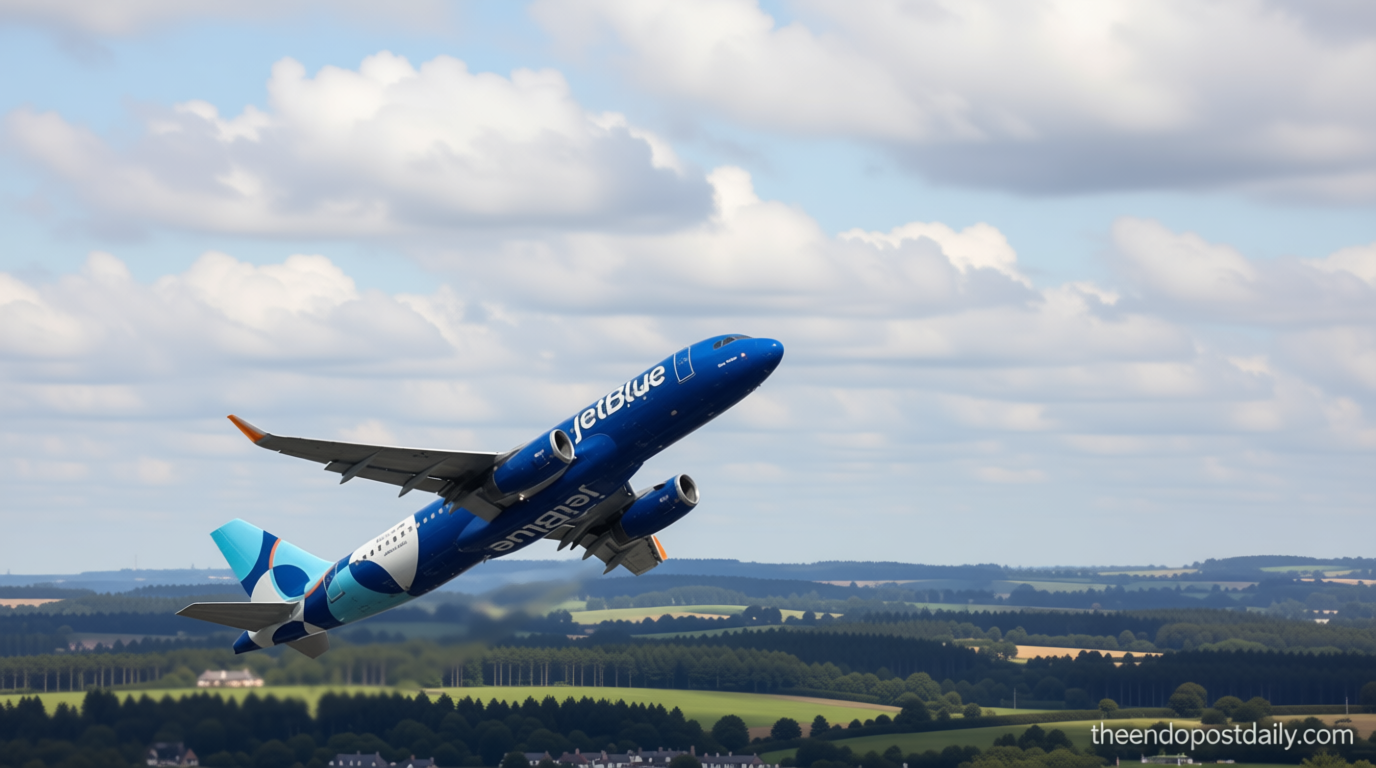
FAA Opens Probe Into JetBlue Drone Collision Near JFK Airport
Theindiapostdaily.com – The Federal Aviation Administration (FAA) has launched an investigation into a reported drone collision involving a JetBlue flight while approaching John F. Kennedy (JFK) International Airport in New York. This incident, which occurred on Monday, has raised concerns about drone safety near commercial airspaces, prompting the FAA to review protocols and potential risks. The probe aims to determine the cause of the collision and assess whether regulatory measures were sufficient to prevent such an event.
Details of the Incident and Pilot’s Report
According to air traffic control records, the collision took place at approximately 7:15 a.m. EDT during the aircraft’s descent toward JFK. The pilot, speaking to an air traffic controller, described the incident with urgency, stating,
“We collided with a drone back there in the turn. It hit us right above the cockpit,”
as reported by AP via ATC.com. The drone strike occurred at an altitude of roughly 3,000 feet, which is within the typical range for commercial aircraft during approach phases. The pilot’s account highlights the challenges of detecting small drones in busy airspace, especially during critical maneuvering stages.
Following the incident, the aircraft landed safely without any reported injuries to passengers or crew. JetBlue confirmed that the flight was inspected after landing, but no visible damage or signs of impact were found. This outcome has left aviation experts puzzled, as the pilot’s description suggests a near-miss that could have had severe consequences. The FAA is now analyzing the situation to identify gaps in current drone regulations and air traffic management systems.
FAA’s Response and Drone Safety Concerns
The FAA has emphasized the growing threat of drones to aviation safety, especially as unmanned aerial vehicles become more prevalent in urban areas. In the wake of this incident, the agency is reviewing its guidelines for drone operators and airspace users. Officials have noted that the collision underscores the need for stricter enforcement of drone altitude restrictions and real-time monitoring systems near airports. The FAA receives over 100 drone-related reports each month, and the incident adds to a list of similar near-misses that have occurred in recent months.
Drone operators are now under increased scrutiny, with the FAA warning that unauthorized flights could lead to fines or even criminal charges. The agency has also urged pilots to report any drone encounters immediately, as these incidents can have cascading effects on air traffic flow and safety. This probe into the JetBlue drone collision could influence future policies, including the potential implementation of advanced detection technologies and expanded no-fly zones around critical airports.
Broader Implications for Air Travel
The incident has sparked a broader conversation about the integration of drones into the national airspace system. With the rise of consumer drones and their use in both recreational and commercial applications, the risk of mid-air collisions with aircraft has increased. The FAA’s investigation into the JetBlue collision will likely focus on whether the drone was flying in a restricted zone, how it was tracked, and if communication with air traffic control was adequate. Experts suggest that such collisions could become more frequent as drone traffic continues to grow, particularly in densely populated areas with high air traffic volumes.
Additionally, the FAA is working closely with the Federal Communications Commission (FCC) to address the issue of drone signal interference with aviation systems. The probe may also examine whether the pilot’s training and emergency procedures were sufficient to handle the unexpected encounter. As the agency gathers more data, it is expected to release recommendations for improving drone safety, which could impact both operators and airlines in the coming months.
JetBlue’s Operational Adjustments and FAA Collaboration
JetBlue Airways has announced plans to reduce its operations at Newark Liberty International Airport and LaGuardia Airport in New York later this fall, as part of broader cost-cutting measures. While this decision is primarily aimed at streamlining expenses, it also reflects the airline’s ongoing efforts to adapt to challenges like rising fuel costs and shifting passenger demand. The FAA’s investigation into the drone collision may influence these operational changes, as the agency seeks to ensure that air traffic patterns are optimized to minimize risks from unmanned aerial vehicles.
JetBlue’s annual report revealed that the airline holds a significant share of the market across New York metropolitan airports, including JFK, Newark, and LaGuardia. However, the recent incident has added another layer of complexity to its operations. The airline has assured stakeholders that the changes will not result in job losses, with affected staff able to transfer to other bases. This adjustment aligns with the FAA’s broader strategy to enhance safety standards while supporting the aviation industry’s growth.
As the FAA probe into the JetBlue drone collision continues, the agency is also coordinating with the Port Authority of New York and New Jersey to evaluate how drone activity affects airport operations. The Port Authority has not yet provided comments on the incident, but it is expected to play a key role in implementing new safety measures. The FBI, which has been actively monitoring drone activity in U.S. host cities for the 2026 FIFA World Cup, may also contribute to the investigation by sharing intelligence on restricted airspace violations.
The FAA opens probe into JetBlue has become a focal point for discussions about drone regulations in the aviation sector. With over 500 drones already confiscated in restricted zones, federal agencies are under pressure to prevent similar incidents. The outcome of this probe could set a precedent for future drone-related investigations and influence the FAA’s approach to managing airspace safety in high-traffic areas. As the airline industry continues to navigate the challenges of coexisting with drones, the findings from this case will likely shape new guidelines and enforcement actions in the months ahead.