‘Efforts to rewrite history’: Court orders Trump administration to restore changes made to National Parks, landmarks
Efforts to Rewrite History: Court Orders Trump Admin to Restore National Parks Changes Theindiapostdaily.com – A federal court in Massachusetts has ruled that the Trump administration must undo its revisions…
Efforts to Rewrite History: Court Orders Trump Admin to Restore National Parks Changes
Theindiapostdaily.com – A federal court in Massachusetts has ruled that the Trump administration must undo its revisions to national parks, museums, and historical landmarks, calling the changes an attempt to “rewrite history.” The order, issued by US District Judge Angel Kelley, demands the reinstatement of altered exhibits and signage that were removed or modified to eliminate content deemed “inappropriately disparage Americans past or living.” The focus keyword Efforts to rewrite history encapsulates the broader narrative of this legal battle, which seeks to preserve historical accuracy amid political shifts.
“History cannot be faithfully told while excluding the experiences of communities whose contributions, struggles, and achievements form an important part of our Nation’s story,” the judge wrote.
The decision mandates the administration to submit weekly updates on its progress, emphasizing the urgency of restoring historical narratives. Kelley criticized the initiative as a way to “share a limited history” by replacing signs and exhibits that reflected diverse perspectives with a more conservative interpretation. The ruling highlights the tension between preserving historical integrity and shaping public memory through executive action, a debate that has intensified since the March 2025 executive order was signed.
Trump’s Executive Order: A Policy to Reframe Narratives
The 2025 executive order, signed by President Donald Trump, directed the Interior Department to ensure that national park sites and cultural institutions present a “positive” portrayal of American history. It instructed the removal of content that “disparages” the nation’s past, prioritizing narratives that emphasize national unity and progress. While the order cited the goal of honoring “the beauty, abundance, and grandeur of the American landscape,” critics argued it sought to erase marginalized voices, including those of Indigenous peoples, African Americans, and LGBTQ+ communities, from historical discourse.
Examples of Historical Alterations
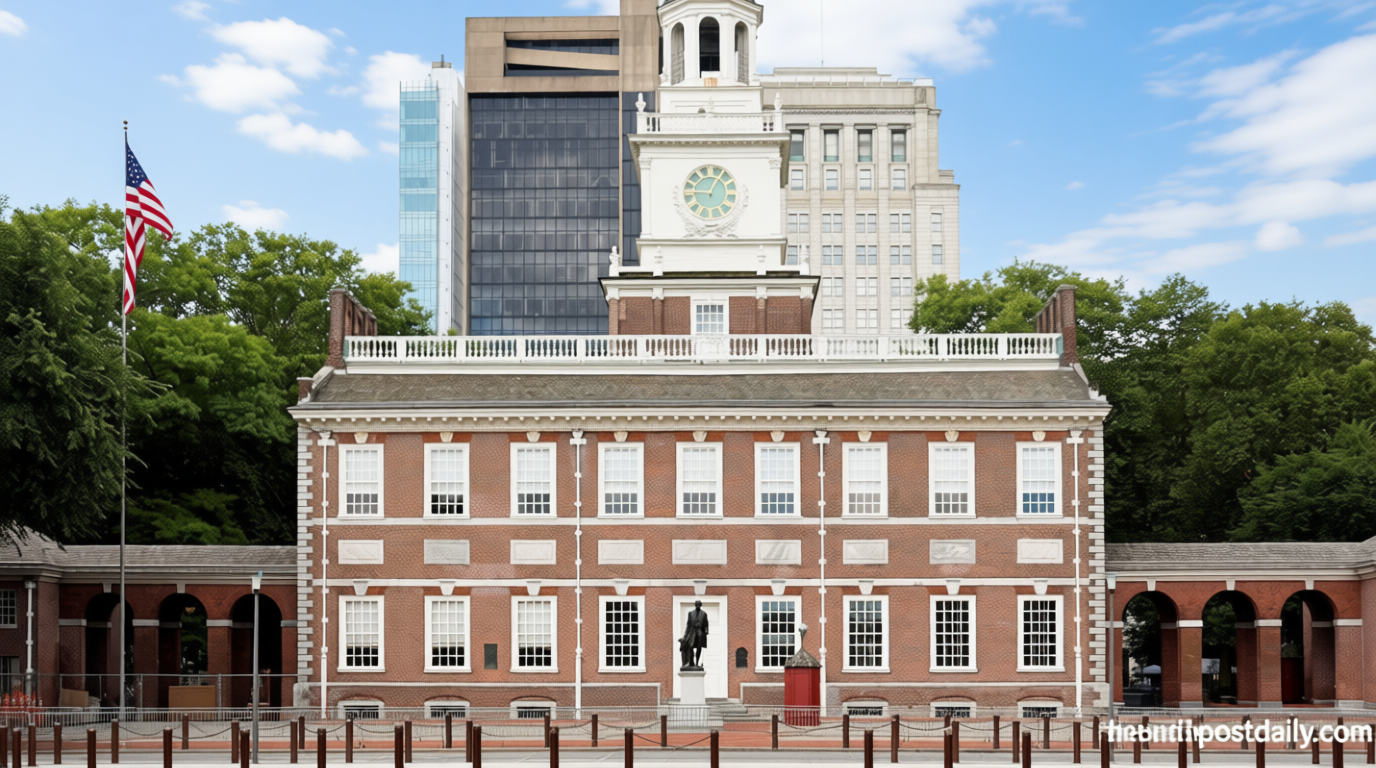
Among the most notable changes was the removal of exhibits at Philadelphia’s Independence National Historical Park that detailed the lives of nine enslaved individuals under George Washington. Similarly, a sign at Arizona’s Sunset Crater Volcano National Monument was taken down for featuring a Pride flag, altering the site’s message about inclusivity. At Lowell National Historical Park in Massachusetts, films highlighting labor history were replaced, reducing the visibility of working-class struggles. These examples underscore the Efforts to rewrite history as a systematic effort to reshape how the past is understood and experienced.
“National parks belong to the American people and censorship of any kind goes against the values these places represent,” said Alan Spears, senior director for cultural resources at the National Parks Conservation Association, in response to the court’s decision.
Political Context and Legal Challenges
Judge Kelley, appointed by Democratic President Joe Biden, ruled in favor of petitioners who argued the changes violated congressional mandates for national parks to reflect the nation’s full historical legacy. The Interior Department has since labeled the judge a “liberal activist” and plans to appeal the ruling, framing it as an overreach of judicial power. This clash reflects broader ideological divides over the role of government in preserving historical narratives and the extent to which such revisions should be allowed to influence public understanding.
Supporters of the Efforts to rewrite history claim the changes enhance the “dignity” of the American story by focusing on shared achievements. However, opponents argue that these revisions create a sanitized version of history, omitting critical events and perspectives. The court’s intervention aims to balance these competing visions, ensuring that the nation’s landmarks remain repositories of comprehensive, unfiltered history.
Public and Stakeholder Reactions
Reactions to the court’s order have been mixed, with some praising its preservation of historical diversity and others questioning its impact on educational resources. The National Parks Conservation Association highlighted the importance of national parks as “one-of-a-kind places” where history is taught and experienced. Meanwhile, the American Association for State and Local History emphasized the role of these institutions in fostering civic engagement and cultural awareness. The decision has sparked renewed debates about the role of historical narratives in shaping national identity and the responsibilities of public officials in maintaining them.
As the Trump administration moves to comply with the court’s directive, the Efforts to rewrite history will be closely watched by historians, educators, and citizens. The restoration of altered exhibits and signage not only aims to correct past revisions but also serves as a reminder of the enduring importance of historical accuracy in democratic societies. This case underscores how national landmarks can become battlegrounds for ideological influence, with the court stepping in to protect their role as shared cultural spaces.