Donald Trump signs fresh executive orders to limit birthright citizenship in US after Supreme Court pushback
Donald Trump signs fresh executive orders on Thursday to significantly limit birthright citizenship in the United States, marking another bold attempt to
Donald Trump Signs Fresh Executive Orders on Birthright Citizenship
Theindiapostdaily.com – Donald Trump signs fresh executive orders on Thursday to significantly limit birthright citizenship in the United States, marking another bold attempt to challenge a foundational provision of the U.S. Constitution. This move comes shortly after the Supreme Court delivered a setback to his previous efforts in this area. One of the president’s top priorities has been curbing what his administration calls “birth tourism”—a practice where foreign nationals enter the United States while pregnant, ensuring their children automatically become U.S. citizens upon birth on American soil.
Following the Supreme Court’s June 30 ruling that blocked his earlier attempt, Trump initially urged Congress to take legislative action. However, he chose a different path by signing executive orders that establish government policy, though these orders carry less weight than laws formally passed by Congress. The new directives aim to reinterpret narrow historical exceptions to citizenship at birth and expand categories of individuals ineligible for automatic U.S. citizenship.
Key Details of the Executive Orders
Birth Tourism Ban
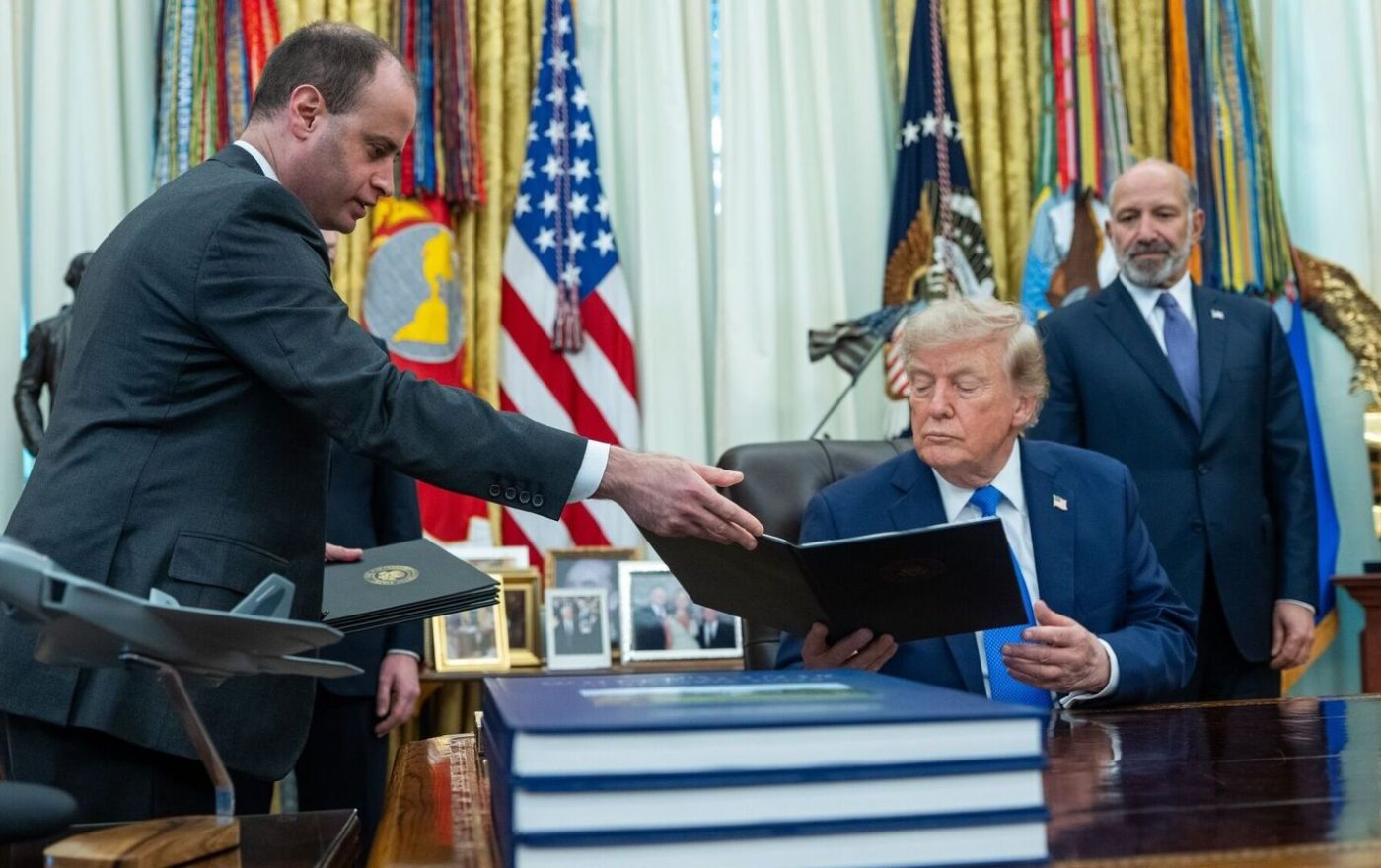
At the Thursday signing ceremony held in the Oval Office, White House aide Stephen Miller announced the new policy with clear language: “That practice of birth tourism is, as of the signing of this order, hereby banned.” The administration argues that this directive falls outside the scope of the Supreme Court’s previous ruling because it targets specific exceptions rather than the broader principle of birthright citizenship.
According to an analysis by the U.S. Center for Immigration Studies—an organization that supports reduced immigration levels—approximately 20,000 to 25,000 mothers entered the United States for birth tourism during 2016-2017. This figure highlights the scale of the phenomenon that the administration seeks to address through these executive actions.
Legal Exceptions and Limitations
The executive orders also modify rights for children born to foreign government employees stationed in the United States, as well as those born to individuals classified as enemies of the U.S. Additionally, these orders could impact people born in U.S. territories if Congress enacts a proposed law to end automatic citizenship in those regions.
The broader context includes recent demographic data showing that 3.6 million babies were born in the United States in 2025, underscoring the significance of citizenship policies for millions of families across the nation.
Legal Challenges and Expert Opinions
Just as with his previous order on this issue, the fresh executive orders are expected to face substantial legal challenges. Reuters cited legal experts who noted that it remains unclear how these orders will be interpreted in light of the Supreme Court’s recent ruling. Immigration lawyers have characterized the move as an attempt to circumvent the court’s decision rather than comply with it.
“Just five weeks ago, the Supreme Court made clear that birthright citizenship is not subject to a president’s whims, it is a constitutional guarantee that has stood for more than 150 years. Today’s executive orders are nothing more than an attempt to get around that ruling,” said Deborah Fleischaker, a former Biden administration official now with UnidosUS, a Hispanic civil rights and advocacy organization.
The constitutional debate centers on the 14th Amendment, which has been interpreted for over a century to grant citizenship to anyone born on U.S. soil. Legal scholars remain divided on whether executive orders can effectively modify this interpretation without congressional action or a new Supreme Court ruling.
Frequently Asked Questions
What is birthright citizenship? Birthright citizenship is a constitutional principle established by the 14th Amendment that grants U.S. citizenship to anyone born on American soil, regardless of their parents’ nationality or immigration status.
How do the new executive orders differ from previous attempts? While earlier efforts sought to broadly redefine birthright citizenship, these fresh executive orders focus on narrowing historical exceptions and targeting specific categories such as birth tourism and children of foreign government employees.
Will these orders face legal challenges? Yes, immigration lawyers and civil rights organizations have already indicated that the orders will likely be challenged in court, with critics arguing they contradict the Supreme Court’s recent ruling on the matter.
What is birth tourism? Birth tourism refers to the practice where foreign nationals travel to the United States while pregnant so their children can be born in America and automatically receive U.S. citizenship.
Can Congress override these executive orders? Congress has the authority to pass legislation that could modify or override executive orders, though such action would require bipartisan support and passage through both chambers.
For more updates on U.S. immigration policy, visit Livemint’s U.S. News section. Stay informed about how these executive orders may reshape citizenship policies in the coming months.