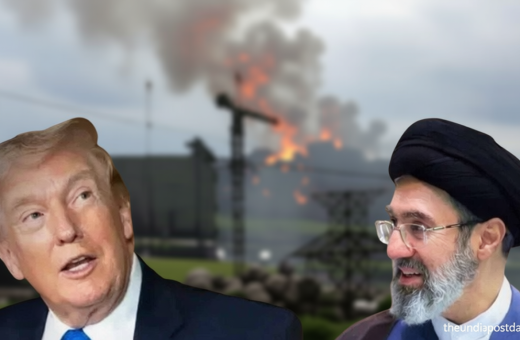
‘Different view’ but Khamenei backs US deal, signals face-to-face talks with US
Khamenei Backs US Deal Despite Different View, Signals Talks Theindiapostdaily.com – Iran’s Supreme Leader Ayatollah Mojtaba Khamenei has affirmed his support for the Iran-US agreement, despite acknowledging a "distinct perspective"…
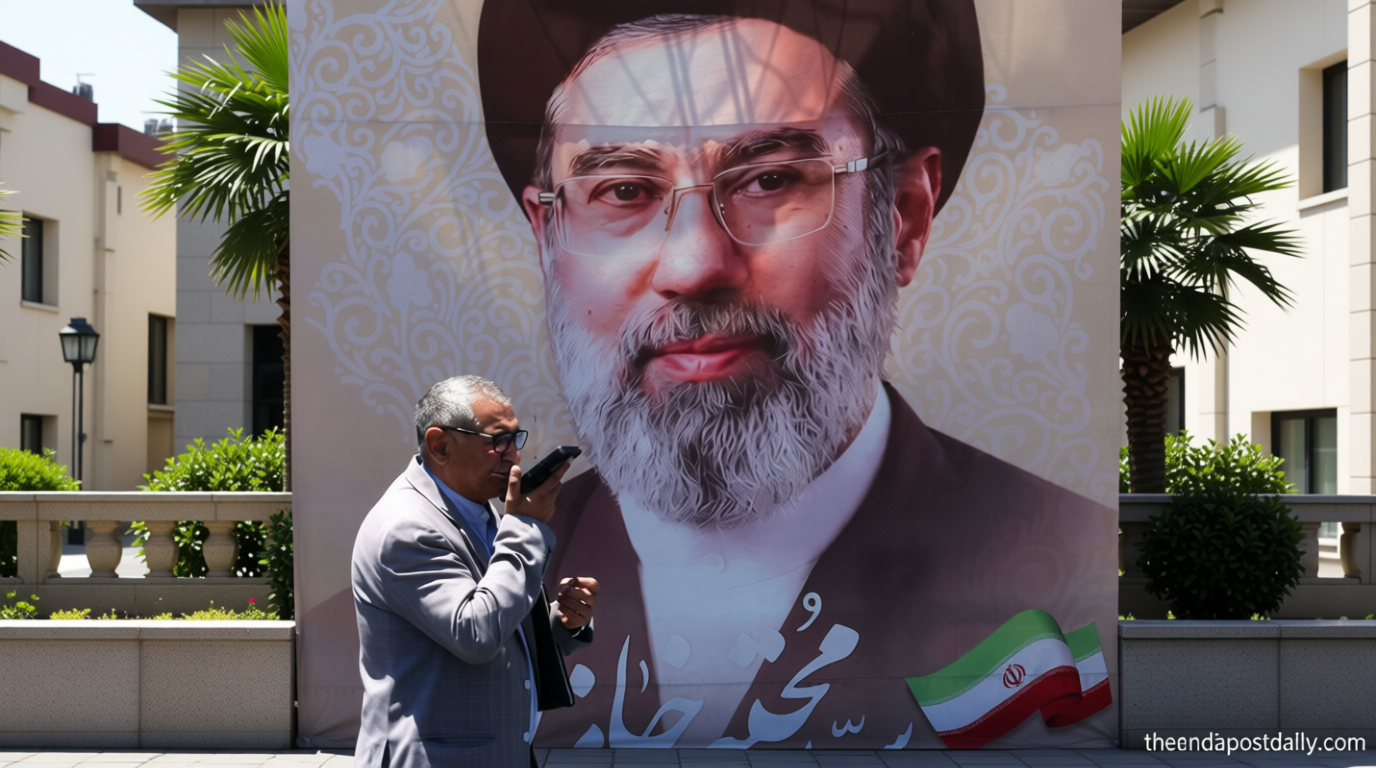
Khamenei Backs US Deal Despite Different View, Signals Talks
Theindiapostdaily.com – Iran’s Supreme Leader Ayatollah Mojtaba Khamenei has affirmed his support for the Iran-US agreement, despite acknowledging a “distinct perspective” on the memorandum of understanding. The endorsement comes as the two nations seek to resolve tensions that have simmered for years, with the deal representing a pivotal moment in their diplomatic relationship. While Khamenei’s stance reflects a nuanced approach, it underscores the leader’s willingness to engage with the United States on key issues, even as he maintains a critical stance toward certain aspects of the agreement.
Diplomatic Nuance in a Historic Accord
The Iran-US accord, signed in late 2023, aims to ease the standoff between the two countries by addressing nuclear ambitions and regional security concerns. Khamenei’s acknowledgment of a “different view” signals a strategic shift in Iran’s approach, balancing hardline principles with the practicality of dialogue. This nuance is crucial, as it allows Iran to preserve its ideological stance while paving the way for potential collaboration. The leader emphasized that the agreement must align with Iran’s national interests and the broader goals of the Resistance Front, which includes militant groups like Hezbollah and Hamas.
“While expressing a distinct perspective regarding the memorandum of understanding, I have granted my approval based on the assurance provided by the honorable Iranian president,” Khamenei stated in a televised address. His comments highlight the interplay between Iran’s leadership and its political factions, with the Supreme Leader serving as a unifying figure despite differing opinions within the government. The deal’s approval also reflects the strategic importance of the United States as a partner in regional stability, even as tensions remain high.
Historical Context and Current Challenges
Historically, Iran and the US have had a contentious relationship, marked by sanctions, military confrontations, and ideological clashes. The 2023 agreement follows a period of heightened conflict, including a military escalation in February that strained relations further. Khamenei’s endorsement comes amid internal debates within Iran’s leadership, with some officials advocating for a more flexible approach to negotiations. The deal’s success will depend on its ability to address Iran’s concerns about sovereignty and the US’s long-term intentions in the region.
President Masoud Pezeshkian’s commitment to the agreement has been a central point of contention, with Khamenei stressing that it is not a surrender but a calculated move. The leader warned that Iran would not accept “unreasonable conditions” in future talks, emphasizing the need for mutual respect and clear terms. This stance aligns with Iran’s broader strategy of using diplomacy to counterbalance external pressures while maintaining leverage in negotiations. The agreement’s terms, however, remain a subject of debate, particularly regarding the lifting of sanctions and the US’s role in supporting regional allies.
Implications for Regional Dynamics
Khamenei’s signal of potential face-to-face talks with the US could have significant implications for Middle Eastern politics. The leader’s openness to dialogue may encourage other nations in the region to seek similar agreements, creating opportunities for de-escalation. However, it also raises questions about the extent of Iran’s concessions and whether the deal will strengthen or weaken its alliances. Analysts suggest that the agreement could reduce the risk of military conflict but may not fully resolve the underlying issues between the two countries.
While the US and Iran have made progress in recent talks, the path to a lasting agreement remains uncertain. Khamenei’s “different view” highlights the complexity of the negotiations, as Iran seeks to balance its aspirations for international recognition with its domestic political priorities. The deal’s long-term success will hinge on its ability to address both sides’ core interests, including economic recovery and security guarantees. As the two nations move forward, the role of Khamenei as a key figure in shaping Iran’s foreign policy will remain critical.
“It is clear that future face-to-face negotiations will not equate to endorsing the adversary’s stance,” Khamenei added. This statement reinforces the idea that Iran is willing to engage in dialogue without compromising its strategic objectives. The leader’s remarks also reflect a broader trend of cautious diplomacy, with Iran seeking to avoid isolation while maintaining its position on key issues. As the deal moves forward, the international community will be closely watching how both sides navigate the challenges ahead.