Daylight Saving Time 2026: 1-hour clock change on November 1, 301-117 House vote and Senate roadblock — 3 things to know
Most Americans will gain an extra hour overnight on Sunday, November 1, 2026, when daylight saving time comes to an end. At 2 a.m. local time, clocks will be
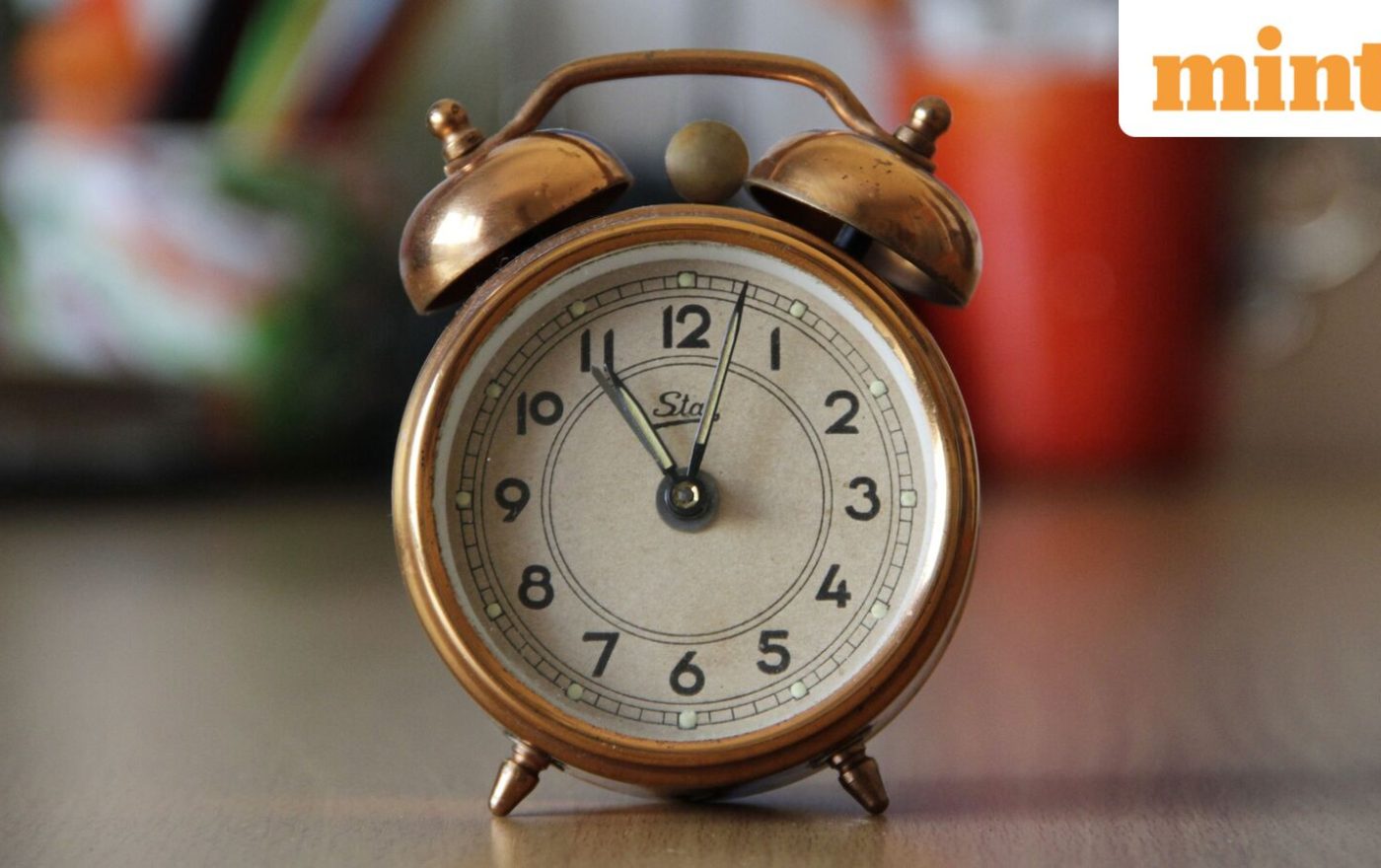
Americans Prepare to Turn Clocks Back on November 1, 2026
Theindiapostdaily.com – Most Americans will gain an extra hour overnight on Sunday, November 1, 2026, when daylight saving time comes to an end. At 2 a.m. local time, clocks will be set back to 1 a.m., restoring standard time for much of the country as winter nears.
The annual autumn switch offers an additional hour of sleep for many people, but it also brings an earlier sunset in the evening. Morning light will arrive sooner, while afternoons will grow darker earlier than they did during daylight saving time.
Congress has considered ending the twice-yearly clock adjustment, yet no federal change has become law. That means the familiar “fall back” transition remains in place for 2026.
What happens when daylight saving time ends?
The change occurs at 2 a.m. on the first Sunday of November. When the clock reaches 2 a.m. on November 1, it moves back one hour to 1 a.m. Devices connected to the internet, including many phones and computers, typically update automatically. Manual clocks, watches, household appliances and some vehicles may need to be changed by hand.
Under the current federal calendar, daylight saving time starts on the second Sunday in March and concludes on the first Sunday in November. The March change moves clocks forward by one hour; the November change reverses that move.
For households, the immediate effect is straightforward: the overnight period is one hour longer. The seasonal adjustment can also affect routines tied to daylight, including commuting, school mornings, outdoor activities and evening travel. Earlier sunrises may be welcome to people beginning their day early, while earlier darkness can alter after-work schedules.
Permanent daylight saving time remains stalled in Congress
Supporters of a permanent time system have argued that Americans should no longer have to reset clocks twice a year. The Sunshine Protection Act would keep daylight saving time in effect throughout the year, removing the spring and autumn changes.
The US House of Representatives approved the measure in July by a 301-117 vote. However, the proposal remains unresolved in the Senate, where it must advance before it could be sent to President Donald Trump for consideration.
Trump has urged lawmakers to bring the practice of changing clocks to an end and has backed retaining daylight saving time year-round. In an October 2 Truth Social post, he pressed Senate Republicans to move the bill forward.
“ridiculous”
Trump described the present approach as costly, stressful and unpopular. Even with support for a change in Congress and from the president, lawmakers have not enacted a permanent daylight saving time law. As a result, the November 1 clock change will proceed under the existing federal rules.
The issue is more complicated than simply deciding whether to stop adjusting clocks. A permanent daylight saving time arrangement would mean later sunrise times during the winter in many places. The United States has tried permanent daylight saving time before, but the policy was later reversed after objections over very late winter sunrises.
Some parts of the United States do not change clocks
The November transition does not apply everywhere in the United States. Hawaii and most of Arizona remain on standard time throughout the year. The primary Arizona exception is the Navajo Nation, which observes daylight saving time.
Several US territories also stay on standard time all year. They are American Samoa, Guam, the Northern Mariana Islands, Puerto Rico and the US Virgin Islands.
Residents and travelers should keep those differences in mind, particularly when arranging flights, video calls, business meetings or other events across time zones. A place that does not observe daylight saving time can have a different time relationship with mainland cities depending on the season.
The Federal Framework Behind the Time Change
The Uniform Time Act of 1966 established the national structure governing daylight saving time. Signed by President Lyndon B. Johnson, the law created the framework still used for seasonal clock changes across most of the country.
States and territories may choose not to observe daylight saving time, as Hawaii and most of Arizona have done. But a nationwide shift to permanent standard time or permanent daylight saving time requires congressional action. Until federal legislation changes the system, the twice-yearly schedule remains the rule for most Americans.
For November 1, the practical reminder is simple: before going to sleep on Saturday night, check clocks that do not reset automatically. By Sunday morning, most of the country will be back on standard time, with brighter early mornings and earlier evening darkness until daylight saving time begins again in the spring.
Related Reading
Frequently Asked Questions
What is Daylight Saving Time 2026?
Daylight Saving Time 2026 is the main topic of this guide. The article explains the context, practical details, and next steps readers should understand.
Why does Daylight Saving Time 2026 matter?
Daylight Saving Time 2026 matters because readers are looking for a useful answer, not just a short summary. Good content should match search intent and help them decide what to do next.