Could your protein powder cost more? The US-Canada trade war is putting whey at risk
Could your protein powder cost more? A trade dispute between the United States and Canada is putting pressure on whey, a key ingredient in many protein
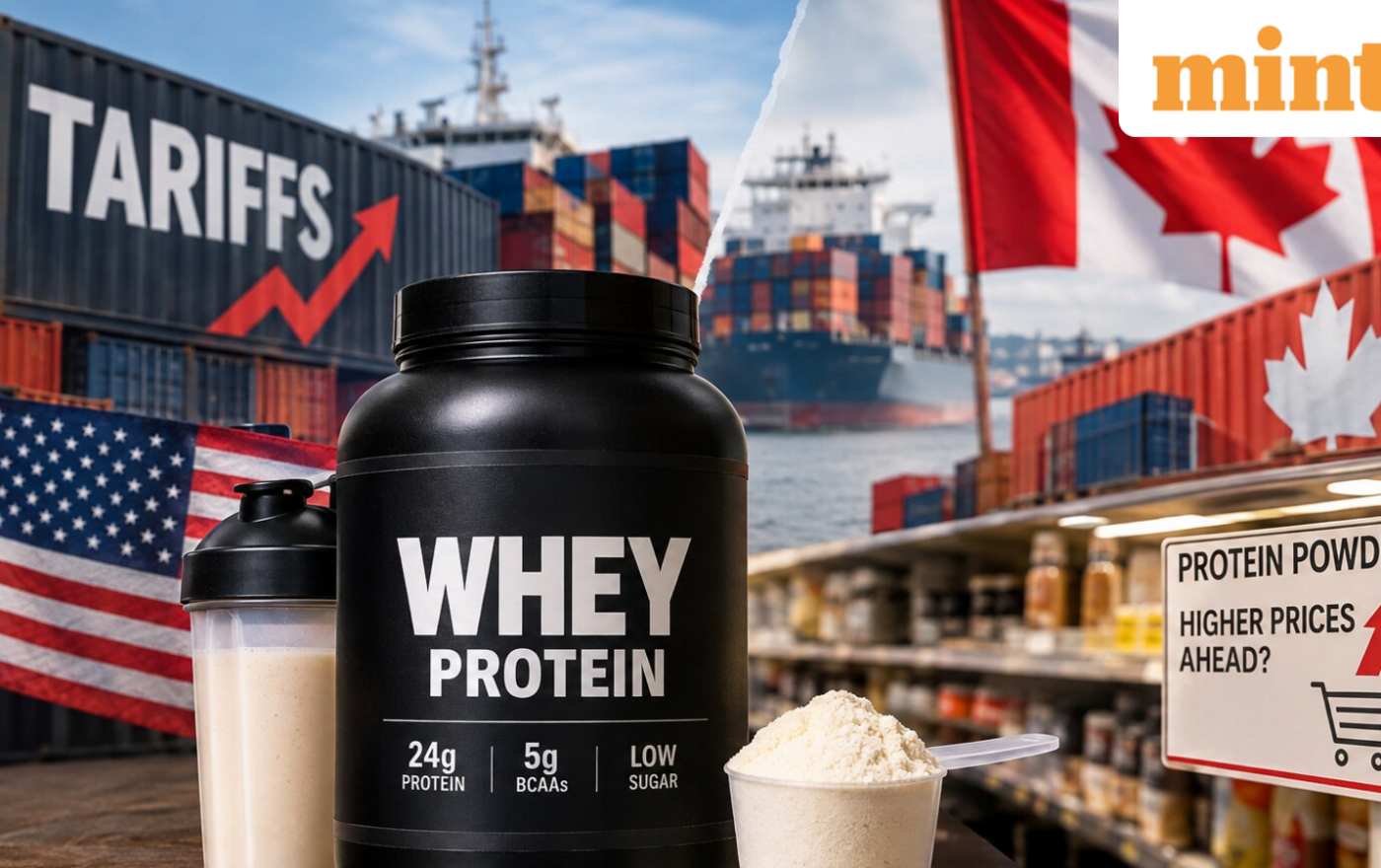
Could Your Protein Powder Cost More as US-Canada Trade Tensions Hit Whey?
Theindiapostdaily.com – Could your protein powder cost more? A trade dispute between the United States and Canada is putting pressure on whey, a key ingredient in many protein powders, ready-to-drink shakes, snack bars and high-protein foods. New tariffs and import restrictions could raise costs for manufacturers and, eventually, for consumers.
The United States plans to block imports of certain Canadian dairy products, including specified whey products, from 29 September. The move follows additional US duties on Canadian dairy goods. Canada has responded by placing whey protein concentrate and several powdered whey products from the US on a list subject to a 50% counter-tariff.
The consequences may extend beyond a higher supplier invoice. Whey is a specialised dairy ingredient with properties that help manufacturers meet specific nutrition, taste and texture requirements. Replacing it can mean changing recipes, production processes and supplier arrangements.
Why Whey Is Important for Protein Products
Whey is produced during cheese-making and is then processed into ingredients used across the sports nutrition and food industries. Its widespread use in powders, shakes and snacks makes it particularly important to brands selling convenient, protein-focused products.
Canada produces whey, but its cheese output is much smaller than that of the United States. It also has fewer facilities capable of producing the highly processed whey concentrates required by many manufacturers. As a result, domestic supplies may not be a direct substitute for US imports.
Jim McMahon, chief executive of British Columbia-based Fit Foods LP, said his company depends on American suppliers because the highly processed whey it needs is available in only limited quantities in Canada.
“If there’s no tariff relief, it’s devastating for consumers, retailers and us,” McMahon said.
Switching Protein Sources Takes Time
Plant-based ingredients, including pea protein, may avoid the same tariff exposure. However, changing a product’s main protein source is not a simple swap. Businesses may need to reformulate products, test flavour and texture, adjust manufacturing processes and secure new suppliers.
These changes can be especially difficult for brands with established formulas and regular customers. Supply chains depend on particular ingredient grades, volumes, processing standards and delivery schedules. Tariffs can be imposed quickly, while rebuilding a supply chain cannot.
Aaron Skelton, president of the Canadian Health Food Association, highlighted the gap between policy decisions and commercial realities.
“Economic tools can be turned on and off fairly quickly. Supply chains can’t,” he said.
For shoppers wondering, “Could your protein powder cost more?”, the answer may depend on how individual brands respond. Companies could raise prices, reduce promotions, change package sizes or limit product ranges while they manage higher ingredient costs.
Wholesale Whey Prices Were Already Under Pressure
Whey protein concentrate had already seen a sharp increase in the US wholesale market. USDA data showed prices reaching a record $13 per pound in June, roughly 250% higher than a year earlier. Prices later fell to about $10 to $11 per pound, but retail buyers may not yet have felt the full effect of the earlier rise.
Lower wholesale prices do not automatically eliminate pressure on finished products. Manufacturers may have purchased ingredients at higher prices, and new tariffs could add another layer of cost for companies reliant on cross-border whey supplies.
FAQ for Canadian Protein Powder Buyers
Could your protein powder cost more immediately?
Not necessarily. Retail prices often change later than wholesale ingredient costs because brands and retailers may still have existing inventory or contracts. The effect will vary by product, brand and retailer.
Will all protein powders be affected?
No. Products that rely heavily on US whey protein concentrate may face greater exposure than products made with other protein sources. Plant-based powders may be affected differently, although they can have their own supply and pricing pressures.
Should Canadians switch protein products now?
There is no need to switch solely because of the trade dispute. Consumers can compare prices, ingredients and serving sizes, while keeping an eye on changes to their preferred product’s cost or formulation.