Charlie Kirk assassination: Utah judge to consider media ban ahead of Tyler Robinson’s preliminary hearing
Charlie Kirk Assassination: Utah Judge Considers Media Ban for Tyler Robinson's Preliminary Hearing Charlie Kirk assassination - Amid the ongoing
Charlie Kirk Assassination: Utah Judge Considers Media Ban for Tyler Robinson’s Preliminary Hearing
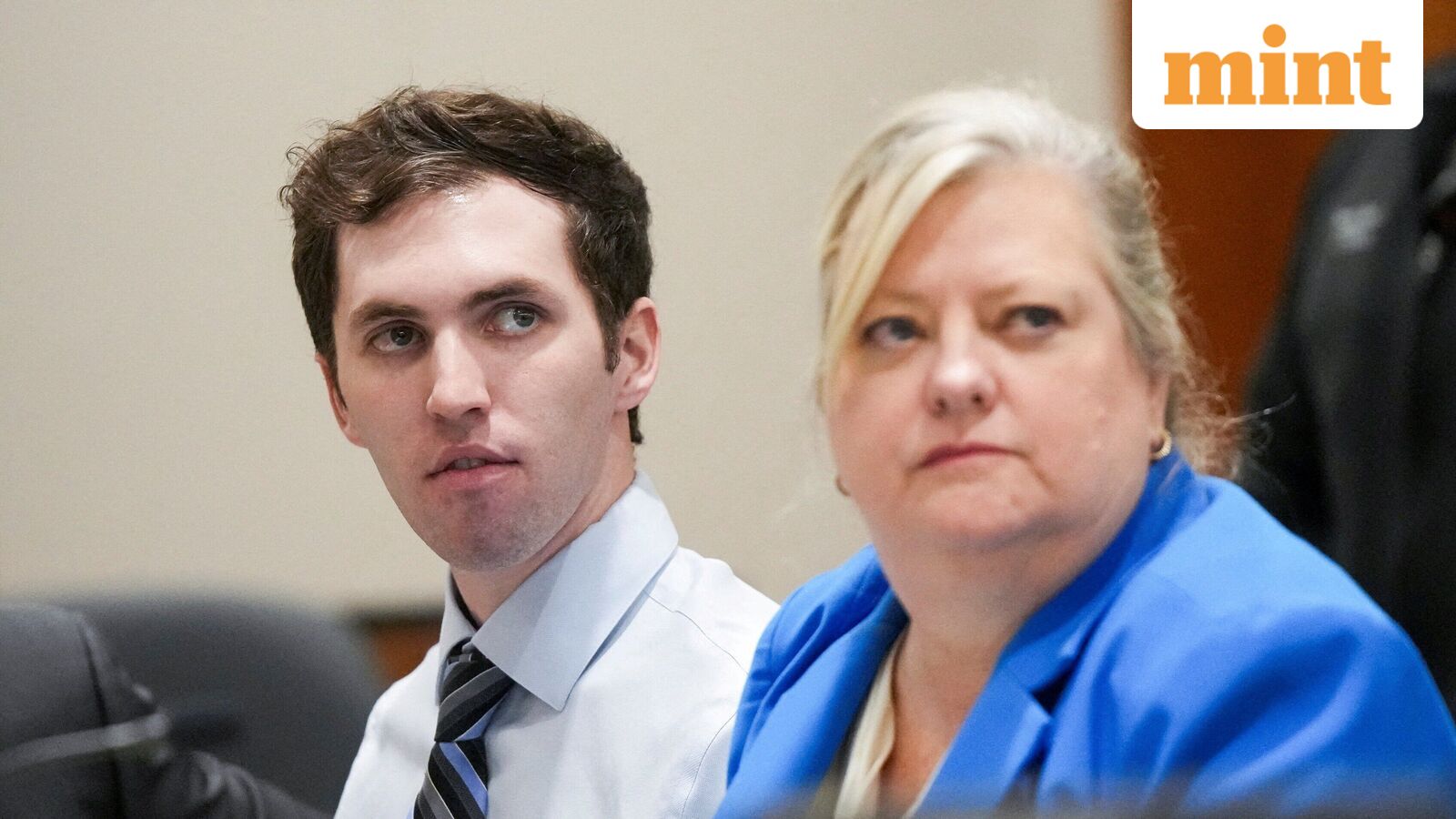
Theindiapostdaily.com – Amid the ongoing investigation into the Charlie Kirk assassination, a Utah judge is set to decide on potential restrictions for media access during Tyler Robinson’s preliminary hearing. The hearing, expected to take place in early July, is a crucial step in the case against Robinson, who is charged with killing the prominent conservative activist on September 10. The judge’s ruling could reshape the trial’s dynamics, balancing transparency with the defense’s request to limit public exposure of evidence. This decision follows growing tensions over the role of media in influencing perceptions of the case, which has drawn national attention as a symbol of ideological conflict.
Defense’s Argument for Controlled Coverage
Tyler Robinson’s legal team is advocating for a media ban, arguing that unrestricted reporting might prejudice the jury. They highlight concerns that early exposure to forensic data and witness accounts could create a biased environment, especially given the high-profile nature of the case. While the defense seeks to seal over 30 exhibits, including DNA evidence and a note Robinson allegedly wrote, prosecutors maintain that open access is vital for public accountability. The note, which states, “
I had the opportunity to take out Charlie Kirk, and I’m going to take it.
“, is presented as a key piece of evidence linking Robinson to the murder.
Prosecution’s Case for Transparency
The prosecution has pushed back against the defense’s request, emphasizing the importance of public scrutiny in a high-profile trial. They agree to partial restrictions, allowing media to review certain exhibits like surveillance footage and forensic reports, while keeping other materials confidential. This compromise aims to protect sensitive information without stifling the flow of critical evidence. Prosecutors argue that the DNA findings and the note provide strong, irrefutable proof of Robinson’s involvement, though the defense has yet to challenge their significance directly.
Details of the Crime and Its Impact
Charlie Kirk, a 31-year-old leader in the conservative movement, was fatally shot during a public event at Utah Valley University. His death has intensified political discourse, with his alignment to former President Donald Trump underscoring the case’s symbolic weight. The incident, which occurred in September, has drawn widespread media coverage and public debate over the role of ideological groups in shaping societal tensions. As the trial progresses, the focus remains on the evidence linking Robinson to the attack and the implications of his actions on the broader political landscape.
Timeline and Key Developments
Following the assassination, authorities conducted a 30-hour manhunt that led to Robinson’s self-surrender. The 23-year-old suspect, from southwestern Utah, was identified as the primary figure in the case, which has since become a focal point for political commentary. The preliminary hearing, initially postponed to May, is now set for July, with the judge’s latest ruling on media access marking a pivotal moment. Legal experts note that this decision could set a precedent for future trials involving high-profile cases and media influence.
As the hearing approaches, the case continues to reflect the broader societal divides in the United States. Kirk’s influence as a conservative activist, particularly among younger voters, has made the trial a microcosm of the larger ideological conflict. The debate over media access underscores the tension between ensuring a fair trial and maintaining public engagement, a challenge that the judge must navigate carefully. The outcome of this ruling may also impact the jury’s perception of the case, highlighting the importance of strategic evidence presentation.