B-52 bomber crashes after takeoff at Edwards Air Force Base in California, US Air Force launches investigation
B-52 Bomber Crashes Post-Takeoff at Edwards Air Force Base, US Air Force Launches Investigation Incident Overview and Emergency Response Theindiapostdaily.com – A B-52 bomber crashes after takeoff on Monday, June…
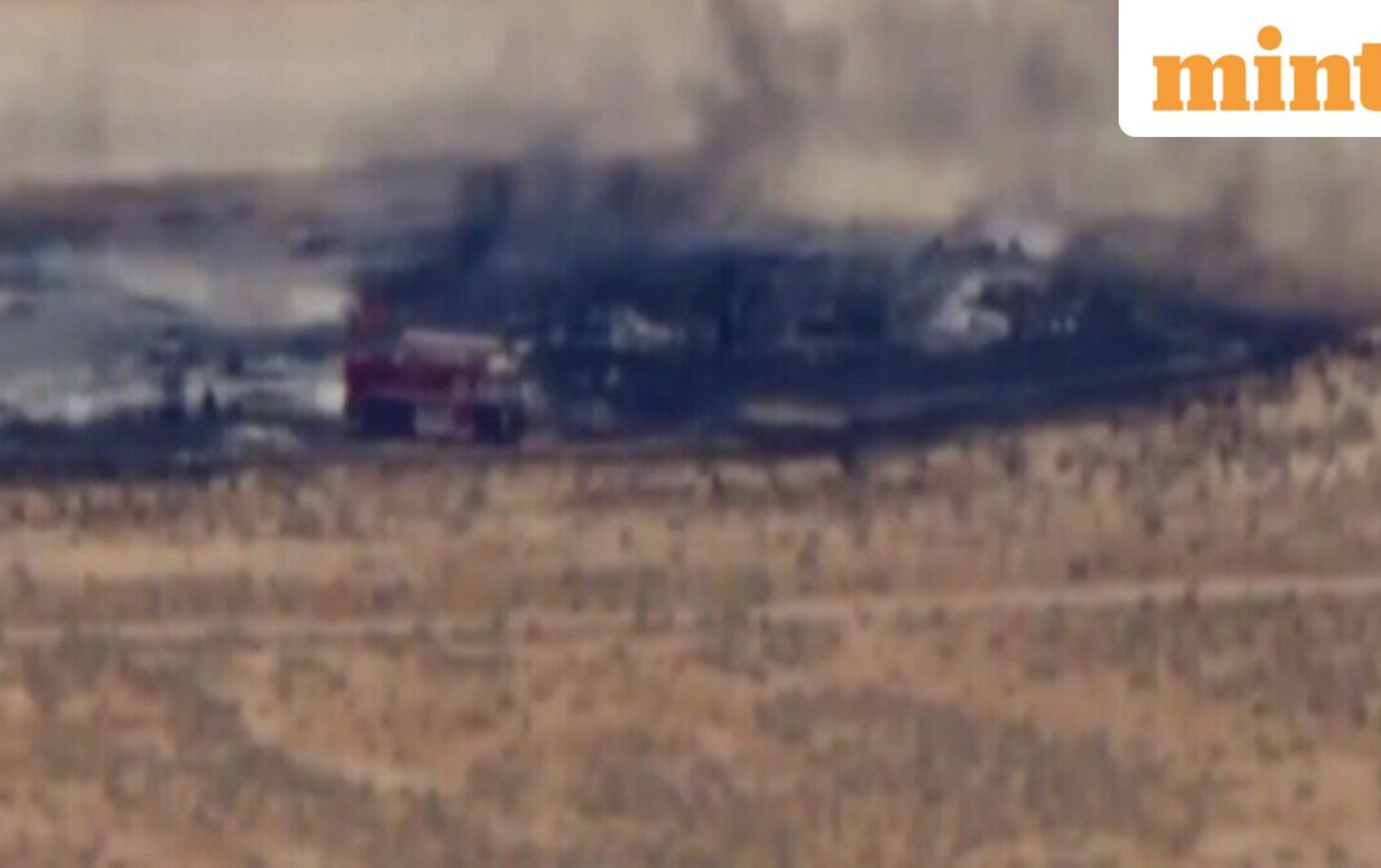
B-52 Bomber Crashes Post-Takeoff at Edwards Air Force Base, US Air Force Launches Investigation
Incident Overview and Emergency Response
Theindiapostdaily.com – A B-52 bomber crashes after takeoff on Monday, June 15, at Edwards Air Force Base in California, prompting an urgent emergency response and the temporary halt of flight operations at the facility. The crash occurred shortly after the aircraft departed the airfield, with officials confirming the event via a Facebook post that noted the incident took place at 11:20 a.m. Emergency crews were immediately dispatched to the site, though details about casualties or damage to the aircraft were not immediately released. The airfield was swiftly shut down, and all incoming flights were diverted as a precaution, highlighting the base’s role in ensuring safety during critical missions.
“The B-52 Stratofortress crashed shortly after takeoff on the Edwards airfield at 11:20 a.m.,” the base stated in its official communication, underscoring the severity of the situation and the need for a thorough investigation.
Strategic Importance of the B-52 Stratofortress
The B-52 bomber, a Boeing-designed long-range aircraft, has been a cornerstone of the US Air Force’s strategic capabilities since its introduction in the 1950s. Known for its endurance and versatility, the B-52 can operate at altitudes exceeding 50,000 feet and maintain a maximum speed of Mach 1.2, making it suitable for both conventional and nuclear missions. Its payload capacity of around 70,000 pounds allows it to carry a wide array of munitions, from precision-guided bombs to cruise missiles, ensuring its relevance in modern warfare. Despite being over seven decades old, the aircraft continues to be upgraded, reflecting its adaptability to evolving military needs.
Edwards Air Force Base, a vital testing ground for the US military, has been instrumental in advancing aviation technology. The crash site, part of the base’s expansive facilities, has historically hosted groundbreaking trials, including the first supersonic flight by Chuck Yeager in 1947. This incident adds to the base’s legacy of critical aviation milestones, as it remains a key location for evaluating both legacy and cutting-edge aircraft systems. The B-52’s continued use underscores its importance in maintaining the Air Force’s strategic deterrence and operational readiness.
Investigation Process and Preliminary Findings
Following the crash, the US Air Force has launched a comprehensive investigation to determine the cause of the incident. The 412th Test Wing, responsible for managing Edwards Air Force Base, has deployed a team of engineers and safety analysts to examine the wreckage and review flight data. While initial reports do not specify the cause, potential factors under scrutiny include mechanical failure, pilot error, or weather-related conditions. The investigation aims to identify any systemic issues that may require immediate corrective actions to prevent future occurrences.
“The crash has prompted a full-scale review of all operational parameters, including aircraft maintenance records and flight protocols,” said a spokesperson from the Air Force, emphasizing the thoroughness of the probe. “Our priority is to ensure the safety of both personnel and equipment while uncovering the root cause.”
Historical Context and Operational Legacy
Edwards Air Force Base, located approximately 60 miles north of Los Angeles, has long been a hub for military innovation. Beyond its role in testing the B-52, the base has been central to the development of numerous iconic aircraft, such as the F-15 Eagle and the Space Shuttle. This crash, occurring on a day when the base was actively supporting strategic missions, underscores its continued significance in national defense. The B-52, which has been in service since the 1950s, has played a pivotal role in major conflicts, including Vietnam, Iraq, and Afghanistan, and remains a symbol of the US military’s strategic reach.
Aftermath and Future Implications
As the investigation unfolds, the crash has raised questions about the safety of the B-52 Stratofortress, which has been in service for more than six decades. While the aircraft is renowned for its reliability, the incident highlights the need for ongoing maintenance and modernization efforts. Officials have expressed confidence in the base’s ability to conduct a rigorous analysis, with results expected in the coming weeks. The Air Force has also announced plans to review flight procedures and pilot training protocols to mitigate risks associated with such incidents. This crash serves as a reminder of the challenges inherent in operating high-performance military aircraft, even in one of the world’s most advanced testing environments.
The B-52 bomber crashes after takeoff event has sparked discussions about the balance between operational efficiency and safety in aging aircraft fleets. With its continued use in contemporary missions, the B-52’s reliability is a key factor in the US Air Force’s strategic operations. The investigation’s findings may influence decisions on whether to retire or retrofit the aircraft, ensuring it remains a viable asset for decades to come. As the military community awaits more details, the incident at Edwards Air Force Base stands as a critical moment in the ongoing story of this iconic aircraft.