AI-native medical center in Texas — Details on hi-tech hospital for which Michael and Susan Dell donated $750 million
AI-Native Medical Center in Texas: Dell’s $750M Investment in High-Tech Healthcare Theindiapostdaily.com – Michael and Susan Dell, co-founders of Dell Technologies, have made a transformative $750 million donation to the…
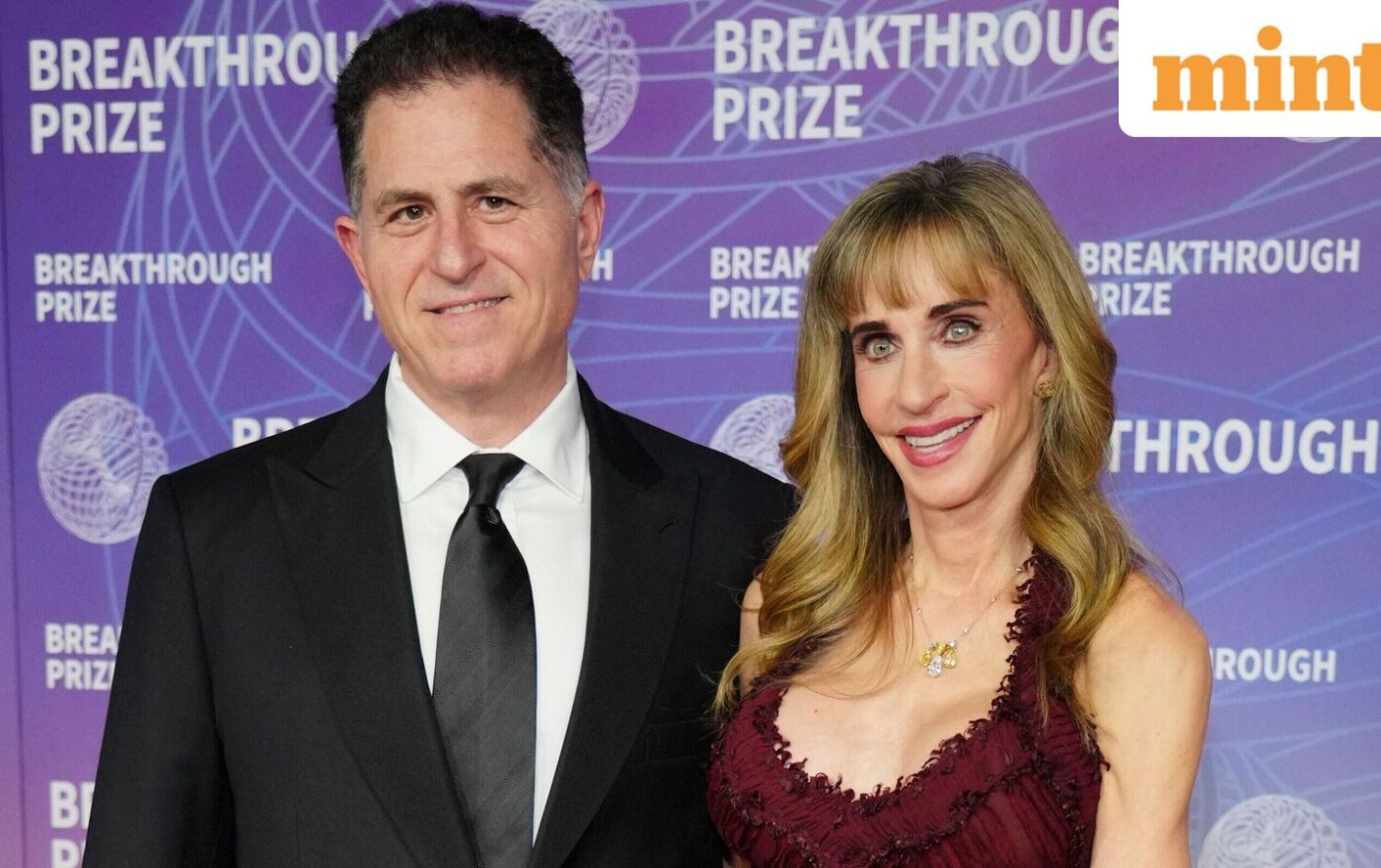
AI-Native Medical Center in Texas: Dell’s $750M Investment in High-Tech Healthcare
Theindiapostdaily.com – Michael and Susan Dell, co-founders of Dell Technologies, have made a transformative $750 million donation to the University of Texas at Austin to establish the AI-native medical center in Texas. This cutting-edge facility, named the UT Dell Medical Center, is set to revolutionize patient care by integrating artificial intelligence into its core operations. Scheduled to open by 2030, the center will serve as the flagship of a 300-acre research campus, emphasizing a forward-thinking approach to healthcare innovation. The AI-native medical center in Texas is poised to become a global benchmark for how technology can reshape medical treatment and research.
Transforming Healthcare Through AI Innovation
The AI-native medical center in Texas represents a bold shift from conventional hospitals, where AI is often an add-on. Instead, the facility will be designed from the ground up to prioritize AI-driven solutions. This includes automated systems that streamline administrative tasks, predictive analytics tools that enhance diagnostic accuracy, and intelligent patient monitoring technologies. The Dells’ contribution not only supports the construction of the physical space but also funds advanced computational infrastructure, ensuring the hospital can process and analyze massive datasets to improve outcomes.
“The AI-native medical center in Texas is more than a building—it’s a vision of how healthcare can evolve,” said Dr. Claudia Lucchinetti, Dean of the Dell Medical School. “By embedding AI into every layer of care, we aim to create a system that anticipates patient needs, reduces human error, and accelerates medical breakthroughs.”
Advanced Technologies Shaping the Future of Medicine
One of the standout features of the AI-native medical center in Texas is the deployment of Ambient AI Caregivers. These systems will use natural language processing to automate clinical documentation, freeing up healthcare professionals to focus on direct patient interaction. Additionally, Predictive Biometrics technology will monitor subtle physiological changes, enabling early detection of diseases like cancer. This proactive approach could significantly improve patient outcomes by identifying health risks before symptoms manifest.
The hospital’s success will also depend on its partnership with MD Anderson Cancer Center in Houston. This collaboration will ensure access to specialized expertise and cutting-edge research, enhancing the center’s ability to tackle complex medical challenges. The AI-native medical center in Texas is designed to function as a hub for interdisciplinary innovation, bringing together engineers, clinicians, and data scientists to develop solutions tailored to real-world healthcare needs.
Building a Sustainable Healthcare Ecosystem
The $750 million investment extends beyond the hospital itself, supporting the growth of the University of Texas’ Texas Advanced Computing Center. This initiative includes the development of the nation’s largest academic supercomputer, capable of handling the vast computational demands of AI-driven medical research. The integration of such high-performance computing resources will enable real-time data analysis, drug discovery, and personalized treatment plans, making the AI-native medical center in Texas a cornerstone of technological advancement in health care.
Furthermore, the project aligns with the Dells’ long-term commitment to education and innovation. Over the past two decades, they have funded computer science programs, scholarships, and medical research at UT, laying the groundwork for the AI-native medical center in Texas. The hospital is expected to create thousands of jobs, attract top-tier talent, and serve as a catalyst for economic growth in Austin. Its establishment underscores the importance of investing in technology to meet the rising healthcare demands of a rapidly expanding population.
As the AI-native medical center in Texas prepares for its 2030 launch, it signals a new era in medical care. By leveraging AI as a foundational element, the center aims to reduce costs, increase efficiency, and improve patient experiences. The project also highlights the role of private philanthropy in driving public health advancements, setting a precedent for other institutions to follow. With its innovative design and state-of-the-art infrastructure, the AI-native medical center in Texas is not just a hospital—it’s a pioneering model for the future of healthcare.