African Proverb of the Day: ‘A woman holds the knife on the sharp side’
Across cultures, proverbs encapsulate the essence of survival, yet few resonate with the same
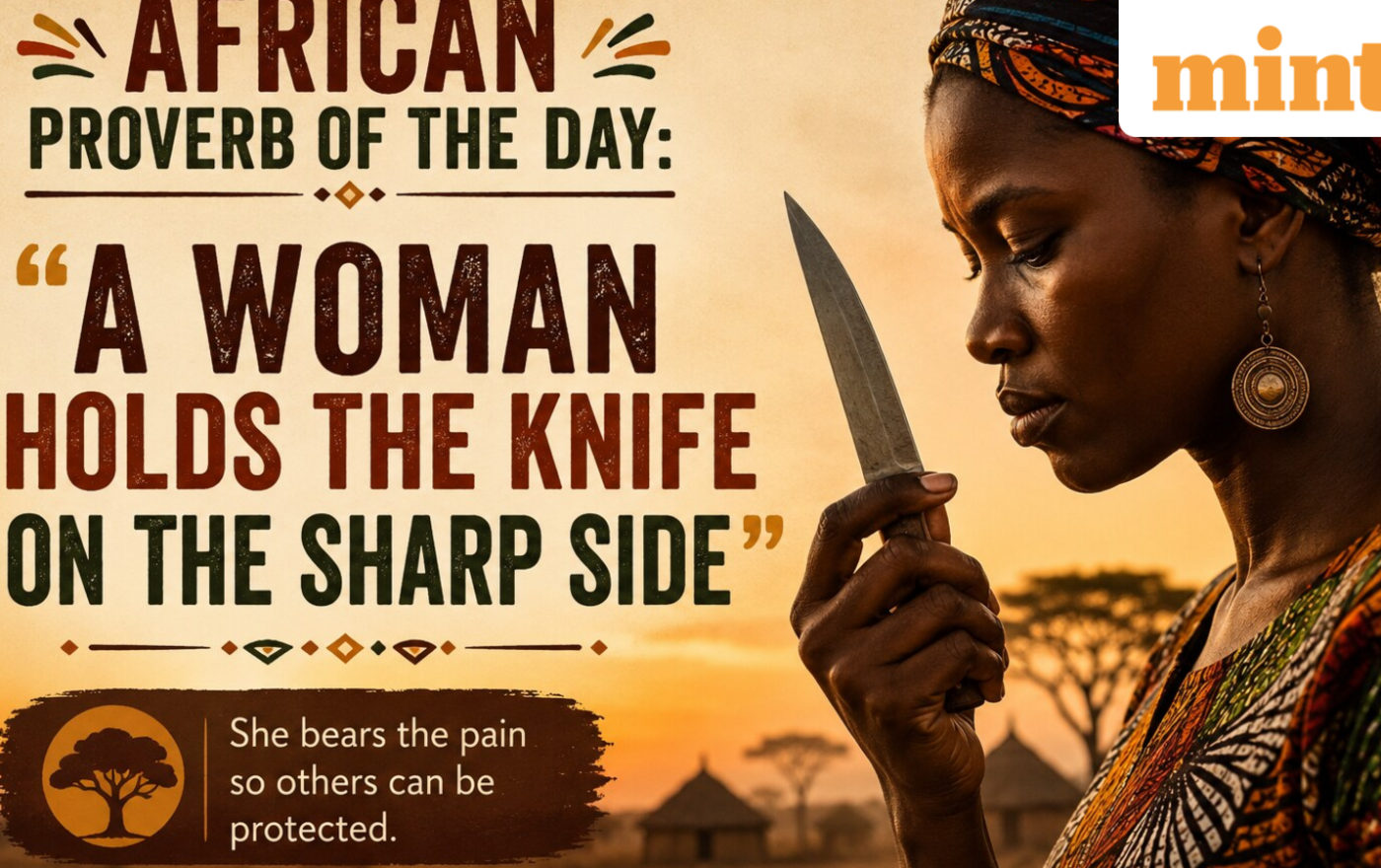
African Proverb of the Day: “A woman holds the knife on the sharp side”
African Proverb of the Day – Across cultures, proverbs encapsulate the essence of survival, yet few resonate with the same emotional depth as this Southern African saying. Originating from the Sotho and Tswana linguistic groups, it is commonly rendered in Setswana and Sepedi as “Mosadi o tshwara thipa ka bohaleng.”
Traditionally, this phrase is passed through generations via oral storytelling, symbolizing the silent strength of women who anchor their families in times of adversity. Elders and community members use it to celebrate the matriarchal role, a cornerstone of African households. In the past, it was a form of admiration, recognizing how women preserved societal stability when structures faltered.
What It Means
The metaphor of a blade offers insight into the proverb’s message. Holding a knife by its cutting edge is instinctively risky, yet the saying describes a deliberate act of endurance. It reflects the resilience and selflessness of womanhood, particularly in motherhood, where the burden of hardship is willingly borne for the sake of others.
“A woman holds the knife on the sharp side.” This phrase captures the essence of a woman’s role as both protector and caregiver, where she absorbs the emotional and physical toll of crises to ensure her family’s safety.
It emphasizes the inner fortitude required to navigate volatile situations with calm, honoring the unseen labor that sustains households. The focus is not on physical dominance but on the spiritual strength that allows a woman to face challenges while shielding those she loves.
Why It Still Matters Today
In modern times, the proverb has shifted from a tribute to a commentary on persistent gender roles. Women continue to shoulder the brunt of global crises, from economic strain to personal loss. They manage unpaid domestic duties, confront workplace biases, and maintain family unity during turbulent periods.
This saying now challenges us to question why women are still expected to bear the weight of hardship alone. It underscores the need to support their resilience with tangible help, rather than leave them to endure without aid.
A Counterpoint in Tradition
While the proverb highlights individual sacrifice, African traditions also offer alternative views. A Zulu saying, “Izandla ziyagezana” — Hands wash each other — presents a different philosophy. It advocates for shared responsibility, suggesting that sustainable harmony requires collective effort, not solitary endurance.
By balancing the burden between partners, this approach transforms survival into collaboration. It redefines the role of women as both resilient and supported, illustrating that true strength lies in unity rather than isolation.