Your favourite grocery snacks may vanish in 2026 — here’s why Pepsi and major brands are cutting products
US shoppers may be finding unexpected gaps in the snack, frozen drink and ice cream sections of their local supermarkets. Products that once had a regular
Familiar Grocery Favourites Are Being Removed as Brands Simplify Their Lineups
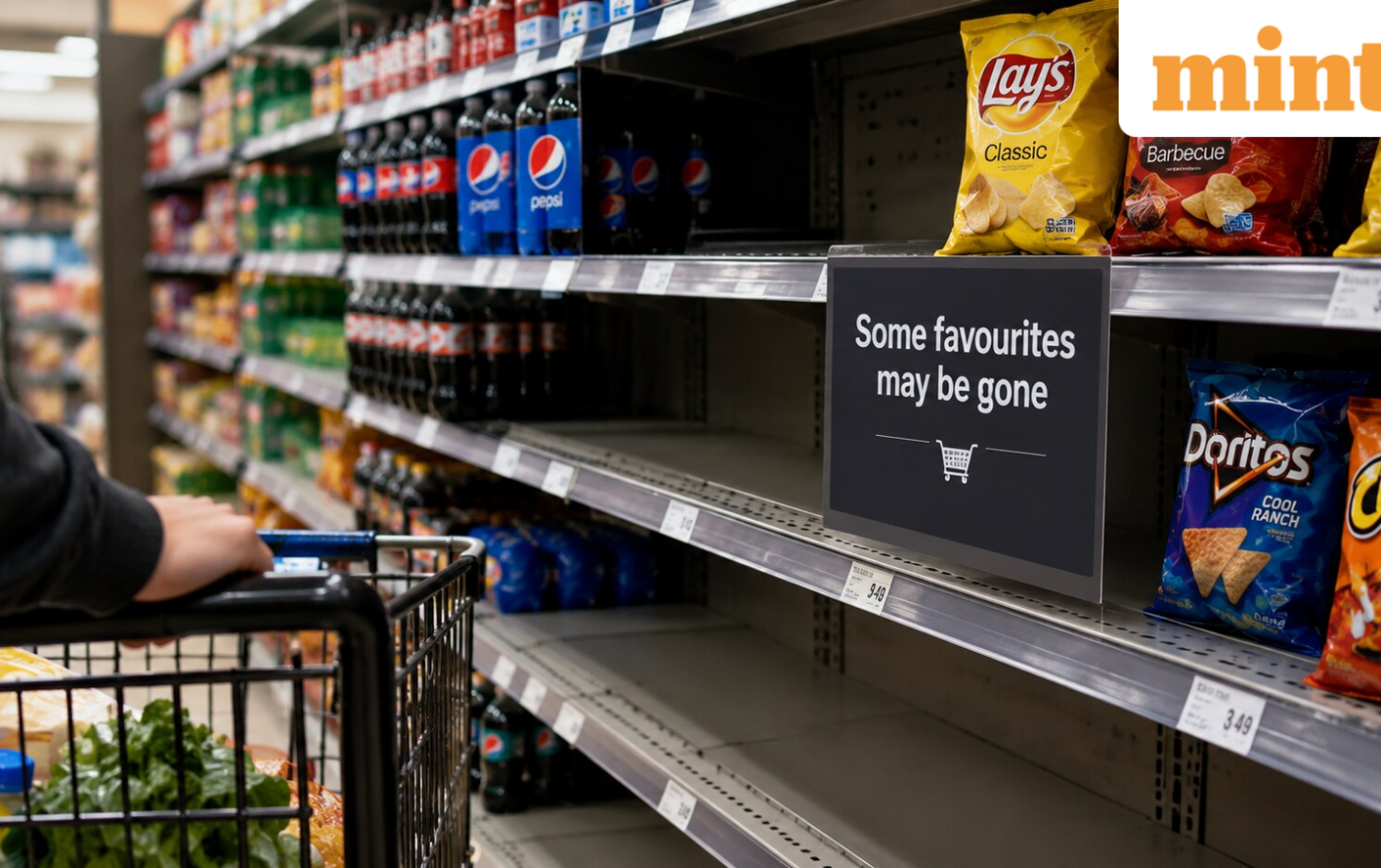
Theindiapostdaily.com – US shoppers may be finding unexpected gaps in the snack, frozen drink and ice cream sections of their local supermarkets. Products that once had a regular place on shelves are being removed, paused or quietly phased out as large food and beverage companies narrow their selections.
The shift is being felt across several categories, from nostalgic frozen juice concentrates to chip flavours and ice cream varieties. In some cases, a product’s exit is permanent. In others, companies are adjusting manufacturing and distribution while reassessing which items best match current demand.
For customers, the change can be easy to miss at first. A favourite item may simply fail to reappear after a store restock, leaving shoppers to wonder whether it has been temporarily unavailable, moved to another aisle or discontinued entirely.
Minute Maid Ends Its Frozen Can Era
One of the most notable departures involves Minute Maid frozen juice concentrates. The brand is ending frozen orange juice, lemonade and limeade products, closing a chapter that had lasted for roughly 80 years in the frozen-can category.
These concentrates carried a strong sense of familiarity for generations of households. Many consumers remember mixing the frozen contents with water at home, making them a longstanding fixture in freezers even as ready-to-drink beverages became more common.
The end of the range illustrates how even products with deep consumer recognition can be removed when a company changes its priorities. Shelf space, manufacturing capacity and demand all influence which products remain widely available.
PepsiCo Reduces Parts of Its US Offering
PepsiCo has also been reshaping its US portfolio. The company said last year that it intended to remove nearly 20% of its US product offerings while putting more attention on simpler ingredients and items it views as providing functional benefits.
“Functional benefits”
That strategy has raised questions around several snack products. Not every item identified by consumers and food-industry coverage has been individually confirmed by PepsiCo as permanently discontinued, but some familiar varieties have become increasingly difficult to find.
Cheese Pizza Cheetos Puffs are among the snacks said to be leaving shelves again. The pizza-flavoured product returned in 2025 after an absence of about two decades, giving fans a brief opportunity to buy it once more. Its apparent phaseout demonstrates how a relaunch does not always mean a product has regained a permanent position in a company’s assortment.
Some Lay’s Poppables flavours have also been affected. Sweet Potato Poppables are no longer shown on the Lay’s website, placing the variety among products being removed as the snack business becomes more selective about its range.
PepsiCo has previously said it temporarily paused production of certain Frito-Lay products as part of efforts to simplify operations and better align output with what consumers want to buy. The company indicated that the changes were designed to help maintain stocked shelves, while leaving open the possibility that some paused products could return.
Ice Cream Shoppers Are Seeing Changes Too
The product reductions extend beyond the chip aisle and freezer drink section. Blue Bell Butter Crunch, a flavour combining vanilla ice cream with crunchy chocolate peanut butter candy pieces, is no longer available.
Ice cream flavour changes can be particularly noticeable because shoppers often develop strong preferences for specific combinations. Seasonal releases and limited editions have long been common in the category, but the removal of an established flavour can still feel abrupt for customers who routinely purchased it.
Supermarket shelves constantly change, yet the current pattern points to a broader effort by major companies to manage extensive product catalogs more tightly. A smaller selection can make production planning less complicated and concentrate resources on products expected to attract the strongest demand.
What the Changes Mean for Grocery Shoppers
Discontinued products do not necessarily vanish from every store on the same day. Remaining inventory may continue to appear for a period, and availability can vary from one retailer or region to another. Shoppers who cannot find a product in its usual location may encounter it at another store while supplies last, although an item that is no longer produced will eventually disappear from regular distribution.
It is also worth distinguishing between a permanent discontinuation and a temporary production pause. Companies may halt an item while reorganising manufacturing or reducing complexity, then decide later whether to bring it back. That uncertainty can make it difficult for consumers to know whether a missing favourite is gone for good.
For brands, trimming product lines is a balancing act. Removing slow-moving or complicated items can create room for core products, new launches and options designed around changing consumer preferences. For shoppers, however, a streamlined range can mean fewer choices and the loss of flavours or formats that had become part of their regular grocery routine.
As food companies continue to review what they make and stock, customers may see more familiar names disappear without much fanfare. The clearest sign is often the simplest one: an empty space where a favourite product used to be.
Related Reading
Frequently Asked Questions
What is Your favourite grocery snacks may vanish?
Your favourite grocery snacks may vanish is the main topic of this guide. The article explains the context, practical details, and next steps readers should understand.
Why does Your favourite grocery snacks may vanish matter?
Your favourite grocery snacks may vanish matters because readers are looking for a useful answer, not just a short summary. Good content should match search intent and help them decide what to do next.