WMO warns strong El Niño could push global temperatures higher – what will be the impact?
WMO Warns Strong El Niño Could Push Global Temperatures Higher Theindiapostdaily.com – The World Meteorological Organization (WMO) has issued a stark warning about the potential intensification of the El Niño…
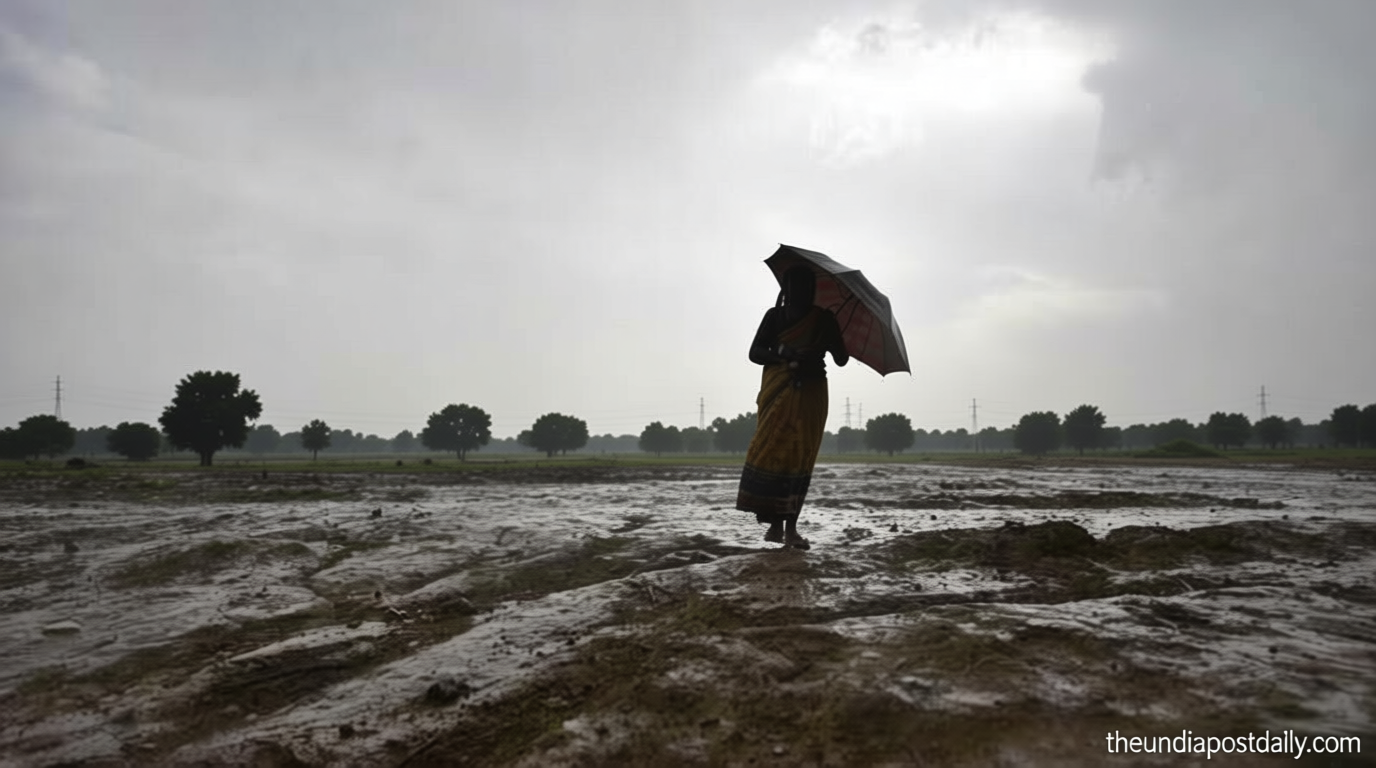
WMO Warns Strong El Niño Could Push Global Temperatures Higher
Theindiapostdaily.com – The World Meteorological Organization (WMO) has issued a stark warning about the potential intensification of the El Niño phenomenon, which could drive global temperatures to unprecedented levels. This climate event, characterized by unusually warm ocean temperatures in the central and eastern Pacific, is expected to have far-reaching consequences for weather patterns and environmental conditions worldwide. Scientists emphasize that the strength of the El Niño will play a critical role in determining the scale of these impacts, from extreme heatwaves to disrupted precipitation cycles.
El Niño, a recurring climatic pattern that typically lasts 9 to 12 months, has been gaining momentum. Recent data suggests that the current event may surpass previous strengths, prompting the WMO to revise its earlier assessments. Such an intensification could lead to prolonged periods of high temperatures, exacerbating existing climate challenges and increasing the likelihood of record-breaking heat events in regions already vulnerable to warming. The phenomenon’s influence on global temperatures is well-documented, with past El Niño years often coinciding with significant spikes in average annual heat levels.
“The WMO’s latest analysis indicates a strong El Niño is forming in the Equatorial Pacific, with models projecting its impact on global climate systems to be more pronounced than anticipated,” said Alvaro Silva, a lead researcher at the WMO. “This could result in accelerated warming and heightened weather extremes, particularly in the coming months.”
As the El Niño event progresses, its effects are likely to intensify. In Central America, the Caribbean, and parts of North and South America, the pattern is expected to bring about extended droughts and heightened risk of wildfires. Conversely, regions like South Asia may experience reduced monsoon rainfall, complicating agricultural cycles and water supply management. Southeast Asia and Indonesia, already grappling with heat and aridity, could face further strain as the phenomenon alters oceanic and atmospheric conditions. These shifts not only affect natural ecosystems but also have profound implications for human societies and economies.
Global Implications of an Intensifying El Niño
The WMO’s updated projections highlight how a strong El Niño could push global temperatures to their highest levels in decades. Historical data shows that El Niño years often contribute to global temperature anomalies, with the 2015-2016 event setting a record for warmth. If the current event matches or exceeds that strength, it could potentially surpass the temperature highs of the past, further stressing the planet’s climate systems. The phenomenon’s ability to raise temperatures is closely tied to its influence on ocean heat content, which radiates into the atmosphere and amplifies the greenhouse effect.
While the WMO’s warning is primarily focused on temperature trends, it also underscores the broader environmental and economic impacts. For instance, the event could disrupt marine ecosystems by altering ocean currents and nutrient availability, affecting fisheries and coastal communities. In addition, heightened atmospheric temperatures may increase the frequency and intensity of hurricanes in the Atlantic, posing risks to Caribbean nations and the U.S. Gulf Coast. These cascading effects highlight the need for global cooperation in climate resilience planning and mitigation strategies.
As the El Niño strengthens, its influence on weather extremes is expected to become more pronounced. Droughts, floods, and heatwaves will likely intensify, creating challenges for agriculture, water resources, and public health. The WMO’s analysis suggests that the event’s impact on temperature will be most significant in the northern hemisphere, where heatwaves are already becoming more frequent. However, regions in the southern hemisphere, including Australia and South Africa, may also face severe weather disruptions, compounding global climate risks.
El Niño’s Role in Shaping the Climate Landscape
El Niño’s role in shaping the climate landscape is well-established, with its effects rippling across continents and oceans. The WMO’s updated assessments highlight that the current event is aligned with the characteristics of a “very strong” El Niño, as evidenced by the consistent predictions from climate models. Such an event could potentially set new benchmarks for temperature records, further narrowing the gap between current warming trends and the threshold of catastrophic climate change.
Experts warn that the interaction between El Niño and human-induced climate change may amplify the severity of its impacts. While natural climate variability has always played a role in global temperature fluctuations, the叠加 of El Niño with long-term warming could lead to more frequent and extreme heat events. The WMO’s statement underscores the importance of monitoring the event closely, as its development may influence not only short-term weather patterns but also the trajectory of global climate goals and international climate agreements.
With the potential for record temperatures, the WMO’s warning serves as a clarion call for preparedness. Governments and organizations must anticipate the heightened risks and implement adaptive measures to mitigate damage. This includes strengthening infrastructure to withstand extreme weather, enhancing early warning systems for climate-related disasters, and supporting vulnerable communities. The WMO’s revised forecasts also highlight the need for continued investment in climate research and data collection, ensuring that future predictions remain accurate and actionable.