Western disturbance to bring rain across north India; monsoon set to advance
Western Disturbance to Bring Rain to North India; Monsoon Advances Theindiapostdaily.com – As the India Meteorological Department (IMD) predicts, a western disturbance is poised to deliver much-needed rain across the…
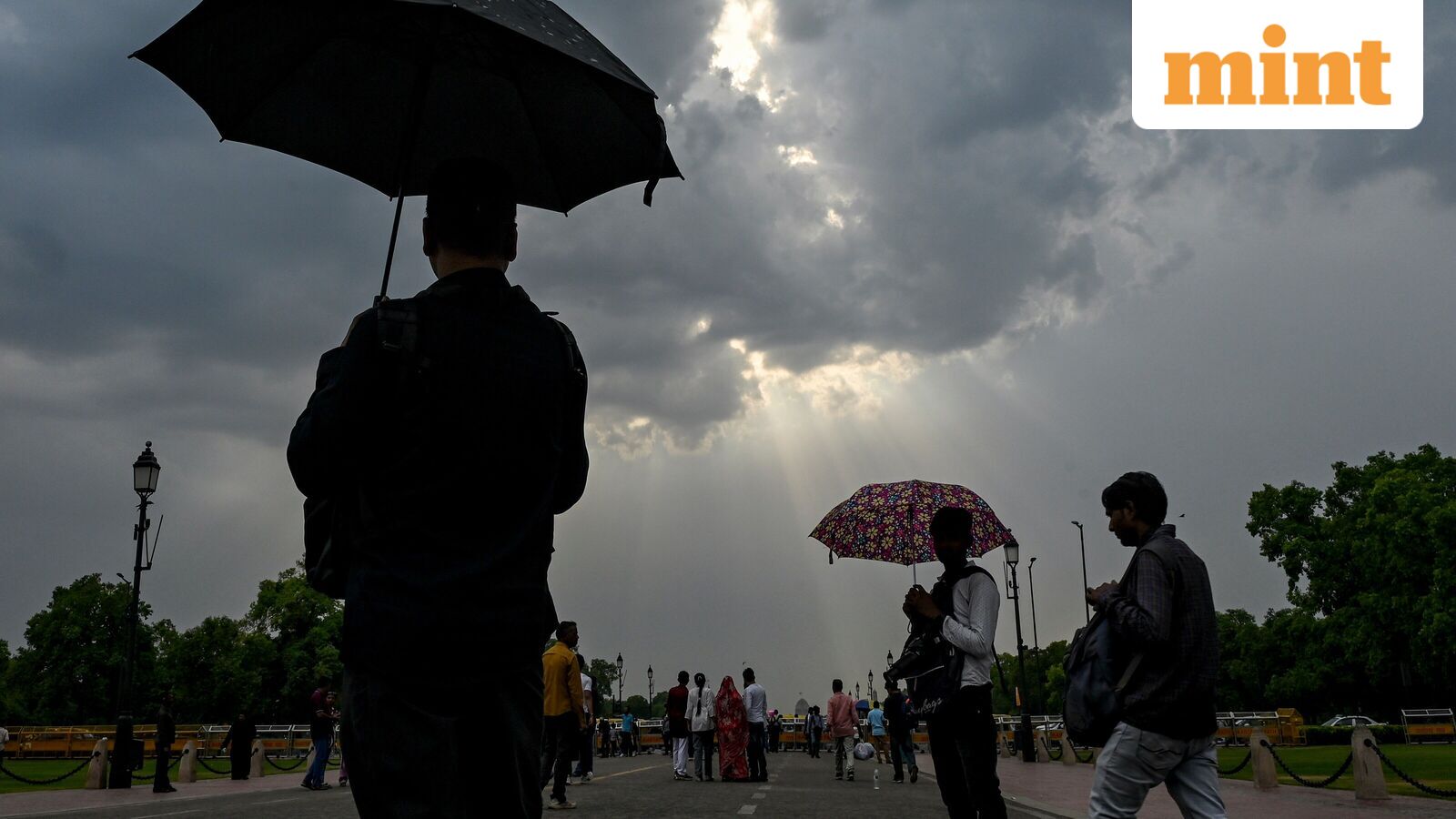
Western Disturbance to Bring Rain to North India; Monsoon Advances
Theindiapostdaily.com – As the India Meteorological Department (IMD) predicts, a western disturbance is poised to deliver much-needed rain across the northern regions of India, including the Western Himalayas and parts of northwest states, from 18 to 22 June. This meteorological event is anticipated to affect areas such as Jammu & Kashmir, Ladakh, Gilgit-Baltistan, and Muzaffarabad on 17 June, with similar precipitation patterns expected in Himachal Pradesh during the same timeframe. Uttarakhand may witness isolated to scattered rainfall throughout the 17–22 June period, offering a temporary reprieve from the lingering heat.
Impact on Agriculture and Water Resources
The western disturbance’s arrival marks a critical phase for the kharif crop season, as timely rainfall can rejuvenate soil moisture and support planting schedules. Farmers in the affected regions are likely to benefit from this weather pattern, which could help mitigate drought conditions that have persisted in parts of northern India. Additionally, the precipitation is expected to replenish water reserves in reservoirs and rivers, which have been under stress due to the prolonged dry spell. While the rain is forecasted to be light to moderate, it may play a vital role in the region’s agricultural productivity and water management.
Areas like East Rajasthan, Haryana, Chandigarh, Delhi, Punjab, and West Rajasthan are projected to see scattered rainfall between 17 and 22 June. In Uttar Pradesh, western districts will likely receive rain from 17 to 19 June and again on 22 June, while eastern parts are expected to get precipitation on 17–18 June and 21–22 June. This distribution of rainfall could lead to localized flooding in low-lying areas, prompting authorities to issue advisories for safe travel and water conservation.
Monsoon Expansion and Regional Variations
Meanwhile, the southwest monsoon is set to expand into additional regions of Telangana, Odisha, Jharkhand, Bihar, and Chhattisgarh over the next four to five days. The monsoon arrived in Kerala on 4 June, three days after its usual onset date of 1 June. It has since spread to Tamil Nadu, West Bengal, most of Karnataka, Andhra Pradesh, parts of Maharashtra, and the entire northeastern region.
As the monsoon season progresses, its reach is expected to grow, bringing much-needed relief to the southern states. However, the timing of the monsoon’s arrival in Kerala—later than the typical start date—has raised concerns about delayed rainfall impacting crop cycles. The gradual spread of the monsoon across Odisha and Jharkhand could also influence the agricultural calendar, potentially leading to a boost in rice and other kharif crop yields. In contrast, the northern states may continue to experience localized weather events as the western disturbance interacts with the advancing monsoon system.
While the monsoon’s expansion is a positive development, some regions may still face uneven distribution of rain. For instance, central and eastern parts of the country are expected to see mixed weather conditions, with certain pockets experiencing heatwaves that could counteract the benefits of the monsoon. This variation in climate patterns highlights the importance of regional weather monitoring and adaptive farming practices.
Heatwave Conditions and Public Health Concerns
IMD warns that heatwave conditions will persist in specific areas of central and eastern India, posing challenges for both agriculture and public health. Isolated regions in Chhattisgarh are forecast to face such conditions until 17 June, Telangana until 18 June, and Vidarbha until 19 June. These high-temperature scenarios may lead to increased water consumption, higher energy demand, and a rise in heat-related illnesses. In states like Madhya Maharashtra and Marathwada, temperatures are expected to climb steadily from 18–19 June, with western Uttar Pradesh also anticipating heatwave conditions from 19 to 22 June.
Experts advise residents in these regions to take precautions, such as staying hydrated, limiting outdoor activities during peak heat hours, and ensuring adequate ventilation in homes. The persistence of heatwaves may also affect the onset of the monsoon in some areas, as prolonged dry periods can delay the formation of rain clouds. However, the western disturbance’s influence is likely to create a convergence point where both systems can enhance rainfall in the north, providing a balanced climate for the upcoming months.
The interaction between the western disturbance and the monsoon system is a key factor in determining regional weather patterns. While the monsoon continues its southward movement, the western disturbance may act as a catalyst, triggering additional precipitation in the northwestern states. This dual weather phenomenon underscores the complexity of India’s climate dynamics and the need for continuous monitoring to anticipate and manage weather-related impacts effectively.