West Bengal to make Bengali mandatory for official communication from 1 September
West Bengal Mandates Bengali for Official Communication Starting 1 September Theindiapostdaily.com – The West Bengal government has announced plans to mandate Bengali as the primary language for all official communications…
West Bengal Mandates Bengali for Official Communication Starting 1 September
Theindiapostdaily.com – The West Bengal government has announced plans to mandate Bengali as the primary language for all official communications beginning 1 September 2026. This decision was unveiled during a session in the state Assembly, where Chief Minister Suvendu Adhikari emphasized the initiative, supported by a letter from Union Home Minister Amit Shah promoting the use of Indian languages in governance, according to PTI. The move aims to strengthen the state’s cultural identity and ensure effective communication with its citizens in their native tongue.
Language Policy and Administrative Shift
Adhikari stated that Bengali will become the dominant language in state administration, starting from the specified date. The Chief Minister also mentioned that communications with other states will transition to Bengali, while interactions with the Union government will continue in both Bengali and Hindi. Currently, exchanges between the West Bengal government and the Centre are typically conducted in English. The policy is expected to streamline bureaucratic processes and improve accessibility for Bengali-speaking citizens.
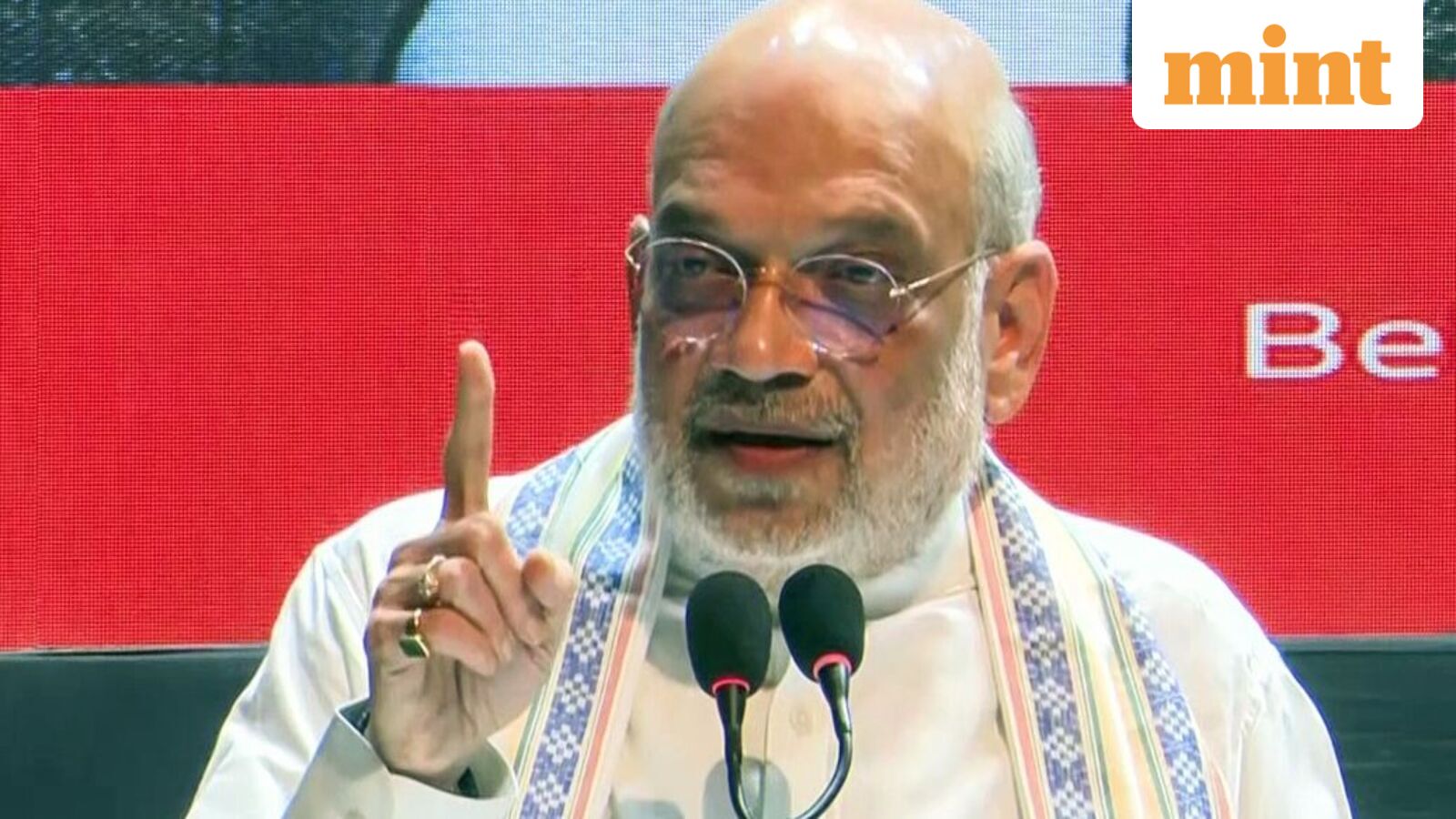
“Linguistic diversity is essential to preserving India’s civilisational identity,” said Amit Shah during a museum inauguration in Kolkata, a day before the Assembly announcement. His letter to the West Bengal government highlights the importance of promoting regional languages like Bengali in administrative functions, aligning with the broader vision of linguistic inclusivity across the nation.
Amit Shah’s Role in Language Advocacy
The directive originates from Amit Shah’s letter, written during his recent three-day visit to West Bengal. Composed in Bengali, the letter honors the legacy of Syama Prasad Mookerjee, the founder of Bharatiya Jana Sangh, and his commitment to language preservation. Shah proposed integrating Bengali into core administrative tasks such as file management, official notings, and government notifications. He also suggested expanding its use in public services and digital platforms, emphasizing that multilingual governance can enhance transparency and public engagement.
Enhancing Citizen Services Through Bengali
Shah’s letter outlines measures to improve citizen services using Bengali. These include the language’s use in registering FIRs, filing complaints, issuing information, and disseminating awareness messages. The policy also recommends that official correspondence with the Centre should be conducted in Bengali and Rajbhasha Hindi, reducing reliance on English. By adopting this approach, the West Bengal government seeks to ensure that all administrative functions are accessible to the majority of its population, who primarily speak Bengali.
As the state prepares for implementation, the focus is on training government officials and preparing digital systems to support Bengali. The transition is expected to take several months, with initial phases involving the creation of standardized Bengali documents and communication protocols. Experts suggest that while the policy will benefit Bengali speakers, it may require additional resources to adapt to the new language requirements efficiently.
Broader Implications for Indian Governance
This initiative by West Bengal to make Bengali mandatory reflects a growing trend in Indian governance to prioritize regional languages. Similar efforts have been seen in other states like Odisha and Kerala, which have also introduced policies to promote local languages in official matters. The West Bengal government’s move could inspire more states to follow suit, fostering a unified yet linguistically diverse administrative framework across the country.
Public response to the policy has been largely positive, with many citizens appreciating the effort to make Bengali the official language. However, some concerns have been raised about the potential challenges of implementing such a change, particularly in sectors requiring technical precision. The government has assured that English will remain an auxiliary language for specialized purposes, ensuring a smooth transition without compromising administrative efficiency.