Watch Vikram 1 launch LIVE: India’s 1st privately-developed orbital-class rocket flies at 6.5km/second
India's Vikram 1 Rocket Launch LIVE: A Pivotal Moment for Private Space Industry Theindiapostdaily.com – India's inaugural privately developed orbital-class rocket, the Vikram 1 launch, is set to make history…
India’s Vikram 1 Rocket Launch LIVE: A Pivotal Moment for Private Space Industry
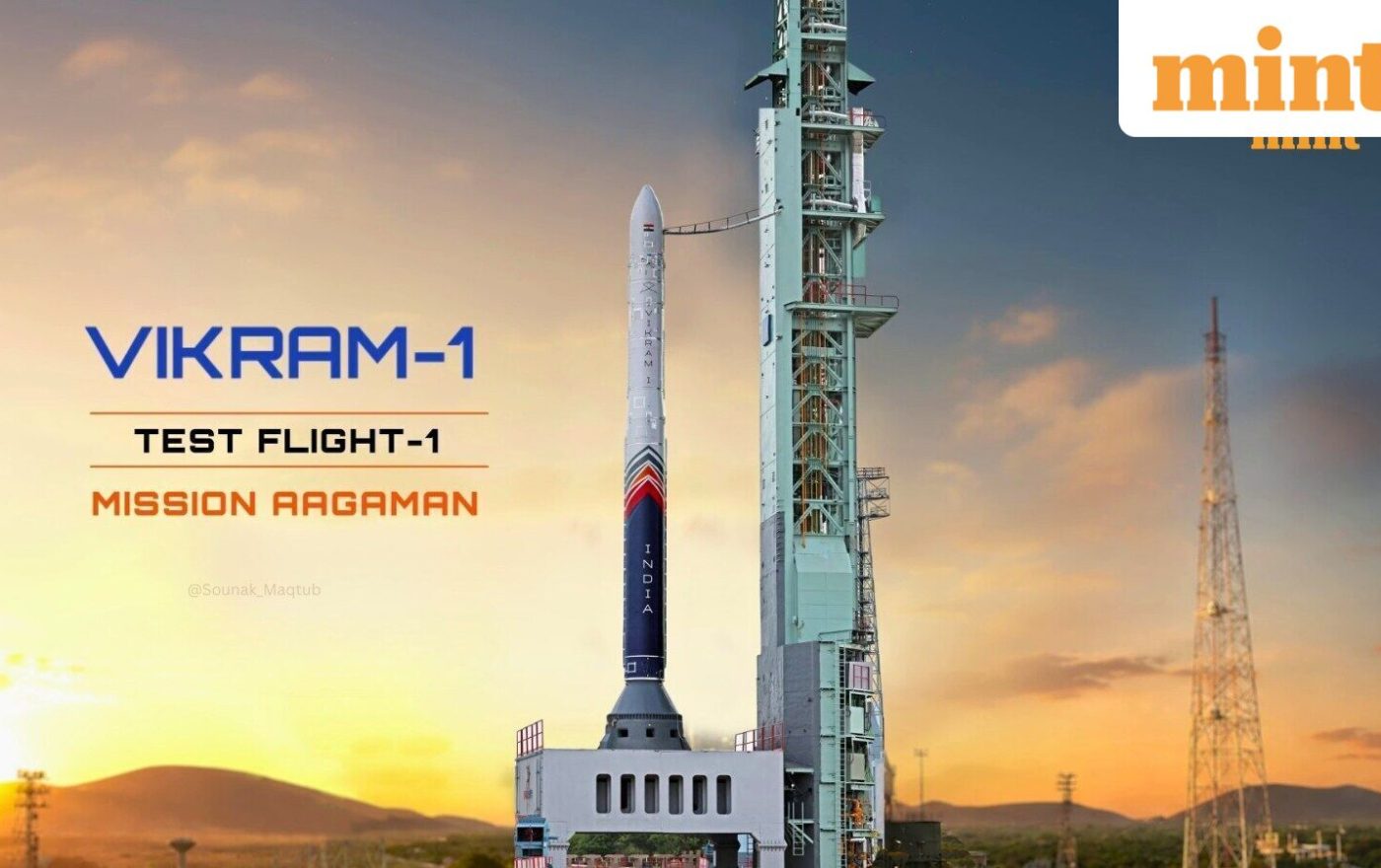
Theindiapostdaily.com – India’s inaugural privately developed orbital-class rocket, the Vikram 1 launch, is set to make history as it lifts off from the Satish Dhawan Space Centre in Sriharikota. Scheduled for liftoff on 18 July, the mission faces a minor delay, with the original 11:30 AM time adjusted to 12:05 PM. This change follows a “planned hold” announced by Skyroot Aerospace just five minutes before the revised launch window, highlighting the meticulous preparation required for such a significant milestone. The Vikram 1 launch is not only a technical achievement but also a testament to the growing role of private companies in advancing India’s space capabilities.
Breaking Barriers: The Rise of Private Space Innovation
Developed by Skyroot Aerospace, the Vikram 1 launch marks a transformative era for India’s space sector. As the country’s first orbital-class rocket to be fully designed and built by a private entity, this mission underscores the potential for innovation outside government-led initiatives. The rocket, named after the visionary scientist Vikram Sarabhai, symbolizes the nation’s commitment to fostering a competitive space industry. With a speed of 6.5 km/second during ascent, Vikram 1 is engineered to deliver payloads to low Earth orbit, setting a new benchmark for private space exploration in the region.
“The Vikram 1 launch is a culmination of years of research and collaboration. It will pave the way for more frequent and cost-effective access to space for both commercial and scientific endeavors,” stated Pawan Kumar Chandana, co-founder and CEO of Skyroot Aerospace. This statement reflects the broader ambition of the private sector to complement and enhance India’s space infrastructure, offering solutions that are both efficient and scalable.
The rocket’s design incorporates advanced composite materials and in-house propulsion systems, including 3D-printed engines and solid-fuel boosters. These innovations not only reduce manufacturing costs but also improve reliability and performance. The Vikram 1 launch is part of a series of tests aimed at validating the rocket’s technology, ensuring it meets the rigorous standards required for orbital missions. With each successful test, the company inches closer to establishing a regular launch schedule, which is critical for attracting international clients and expanding its market reach.
The Payloads and Mission Objectives
For the Vikram 1 launch, a diverse array of payloads will be deployed to showcase the rocket’s versatility. Among them are six demonstration satellites from commercial partners such as Grahaa Space, Cosmoserve, and DCubed, each designed to test specific technologies in orbit. Skyroot’s own SCOPE system will also be aboard, serving as a key tool for monitoring and analyzing the mission’s performance. In addition to these, the rocket will carry the “Cosmic Bloom” artwork by Cosmos Diamonds, adding a creative touch to the scientific endeavor.
The mission’s primary objective is to achieve a stable 450 km orbit at a 60-degree inclination, a trajectory that will allow for comprehensive data collection. This data is vital for refining the rocket’s design and preparing for future launches. The Vikram 1 launch is expected to provide critical insights into its performance, including engine efficiency, structural integrity, and overall trajectory control. Such information will help Skyroot Aerospace address any challenges and optimize the rocket for commercial use, potentially opening new avenues for satellite deployment and space research.
Historically, the same Sriharikota site has witnessed a landmark event in 1980 with the SLV-3 rocket, which made India the sixth country to achieve independent spaceflight. The Vikram 1 launch rekindles that legacy, but this time with a private enterprise at the helm. By leveraging modern technologies and agile development processes, Skyroot Aerospace aims to bridge the gap between government and private space initiatives, creating a more dynamic and competitive environment. The Vikram 1 launch is a key step in this direction, demonstrating that private companies can contribute meaningfully to the nation’s space ambitions.
Looking Ahead: The Future of Private Space Exploration in India
The success of the Vikram 1 launch could catalyze a new wave of private space ventures in India, encouraging further investment and innovation. With the potential to reduce the cost of launching satellites, this rocket may make space more accessible to startups and smaller research institutions. The mission also highlights the importance of collaboration between public and private sectors, as government agencies continue to support and regulate the growing industry.
As the Vikram 1 launch approaches, anticipation is high among space enthusiasts and industry experts alike. The event is being broadcast live, allowing global audiences to witness the historic moment. This live coverage will not only educate viewers about the technical aspects of the mission but also underscore India’s emerging role as a key player in the global space economy. The Vikram 1 launch is poised to be a turning point, with implications that extend far beyond the immediate success of the flight.