Vlogger’s food review at Sonam Wangchuk’s hunger strike leaves internet fuming: ‘Utterly disgusting’
Vlogger's Food Review at Sonam Wangchuk's Hunger Strike: Online Outrage Over Disgusting Commentary The Controversial Clip and Its Context Theindiapostdaily.com – A recent vlogger's food review at Sonam Wangchuk's hunger…
Vlogger’s Food Review at Sonam Wangchuk’s Hunger Strike: Online Outrage Over Disgusting Commentary
The Controversial Clip and Its Context
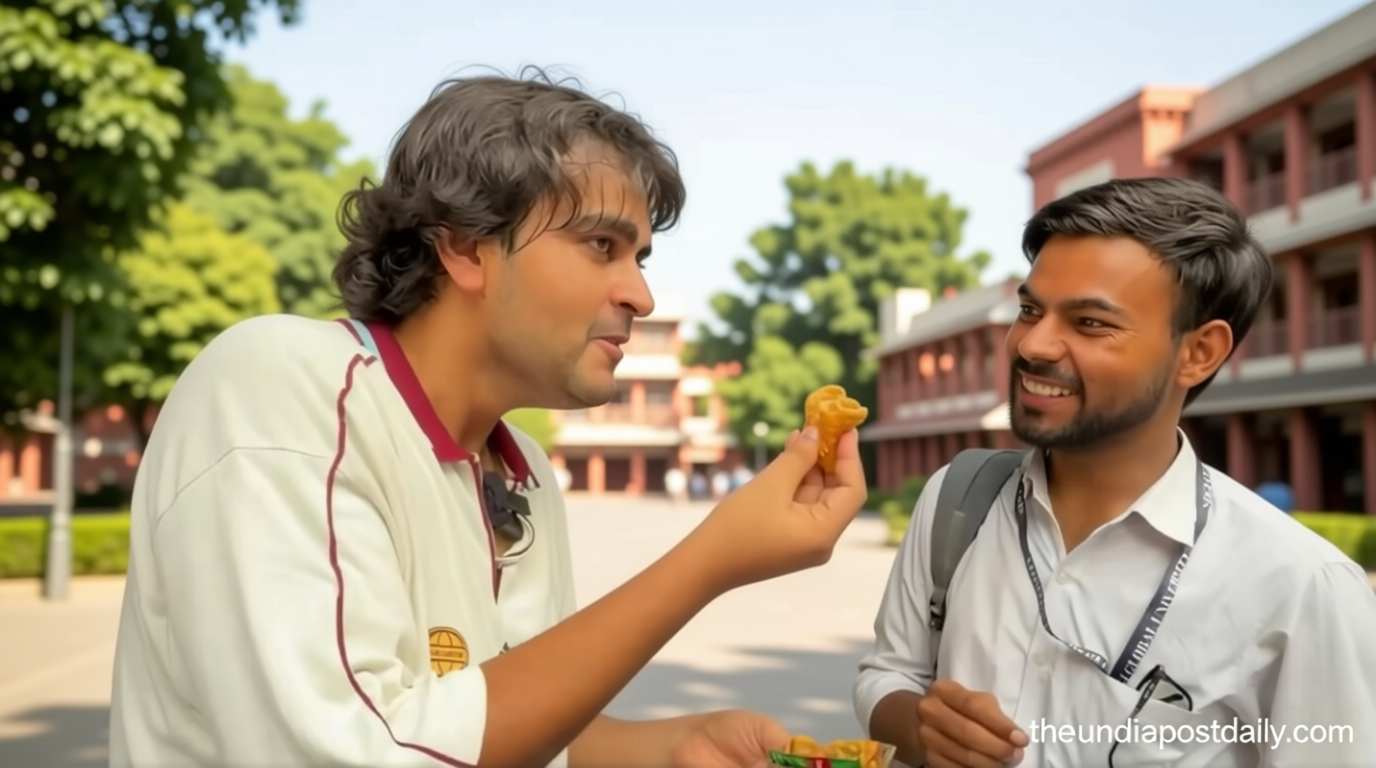
Theindiapostdaily.com – A recent vlogger’s food review at Sonam Wangchuk’s hunger strike has ignited heated debates on social media, with critics accusing the content of being insensitive. The video, filmed at Delhi’s Jantar Mantar protest site, captures climate activist Sonam Wangchuk fasting while others are enjoying meals, sparking a divide over the appropriateness of the review. As the 18th day of the hunger strike approached, the clip became a focal point for discussions about the balance between personal expression and the gravity of political activism.
The vlogger, Aayush Sapra, uploaded the video to highlight the food options available to supporters at the protest, including dishes like chole and chutney. His commentary, which juxtaposes the abundance of food with Wangchuk’s self-imposed deprivation, has drawn sharp criticism. Some argue that the video was a genuine attempt to showcase the logistical aspects of the protest, while others feel it minimized the significance of Wangchuk’s sacrifice. The vlogger’s food review at Sonam has since gone viral, amplifying the controversy and drawing attention to the broader role of influencers in political discourse.
Reactions and the Emotional Weight of the Content
Social media users have expressed strong opinions on the vlogger’s food review at Sonam Wangchuk’s hunger strike. One commenter wrote,
“It’s insulting to see someone who has sacrificed so much for the cause reduced to a mere subject of food critique. The hunger strike is about dignity, not a menu.”
Another added,
“This vlogger’s comments feel like they’re mocking the protest’s very essence. What’s the point of reviewing food when the focus is on a man risking his life for change?”
These responses underscore the emotional impact of the video, with many feeling it lacks the empathy required to portray a hunger strike effectively.
While some defend Sapra, suggesting the video was a lighthearted take on the protest’s environment, others see it as a missed opportunity to honor Wangchuk’s commitment. The vlogger’s food review at Sonam has sparked a wider conversation about how media can shape public perception during critical moments. Critics argue that the timing of the clip, just as the hunger strike gained momentum, could be seen as opportunistic, exploiting a poignant moment for entertainment rather than awareness.
The Hunger Strike: A Symbol of Resistance
Sonam Wangchuk’s hunger strike has been a powerful symbol of resistance against systemic issues in education and climate policy. Initiated as a form of protest, the fast has drawn attention to the struggles faced by students and communities affected by government neglect. The vlogger’s food review at Sonam, however, has overshadowed this message for some, as it shifts the focus to the meals available at the protest site rather than the activist’s cause.
Despite the controversy, the hunger strike has continued to resonate with people across the country. Supporters have shared the vlogger’s food review at Sonam with a mix of curiosity and criticism, illustrating the dual nature of public reaction. While the video highlights the practical aspects of the protest, it also raises questions about the media’s responsibility to present content that aligns with the gravity of the situation. The debate over the vlogger’s approach has become a microcosm of larger discussions about authenticity in activism.
Broader Implications for Influencer Content
The vlogger’s food review at Sonam Wangchuk’s hunger strike has sparked broader conversations about the role of influencers in political movements. As content creators often rely on engagement, the video’s viral potential has been both praised and criticized. Some argue that the footage provides a rare glimpse into the lives of protest participants, while others claim it prioritizes entertainment over substance. This tension reflects the growing influence of digital media in shaping public opinion about real-world issues.
Analysts note that the incident highlights how even well-intentioned content can be misinterpreted in the fast-paced online environment. The vlogger’s food review at Sonam, originally meant to share a slice of life at the protest, has now become a case study in how context matters. With the keyword “vlogger’s food review at Sonam” appearing in multiple sections, the focus remains on the viral nature of the clip and its impact on the perception of Wangchuk’s sacrifice. As the debate continues, the incident serves as a reminder of the power of media in amplifying or diluting social movements.
Public Sentiment and the Need for Empathy
The vlogger’s food review at Sonam has not only divided opinions but also revealed the deep emotional connection many people have to Wangchuk’s cause. For some, the video is a reminder of the practical realities of organizing protests, while for others, it feels like a slap in the face to the activist’s dedication. The keyword “vlogger’s food review at Sonam” is used here to emphasize the ongoing relevance of the topic and its resonance with the audience.
As the conversation evolves, it becomes clear that the vlogger’s approach has sparked a need for greater empathy in how activists are portrayed. While the footage captures a moment of normalcy at the protest site, it also challenges viewers to consider the deeper meaning behind Wangchuk’s actions. The vlogger’s food review at Sonam, though controversial, has ignited a dialogue that is likely to continue shaping public perception of both the activist and the role of food in protest narratives.