Vir Das accuses Zepto of delivering fake Apple Watch worth ₹50,000: ‘Full scam, China copies’
Comedian Vir Das Alleges Zepto Sold Fake Apple Watch Worth ₹50,000 Theindiapostdaily.com – Comedian and content creator Vir Das has accused quick-commerce platform Zepto of delivering a counterfeit Apple Watch…
Comedian Vir Das Alleges Zepto Sold Fake Apple Watch Worth ₹50,000
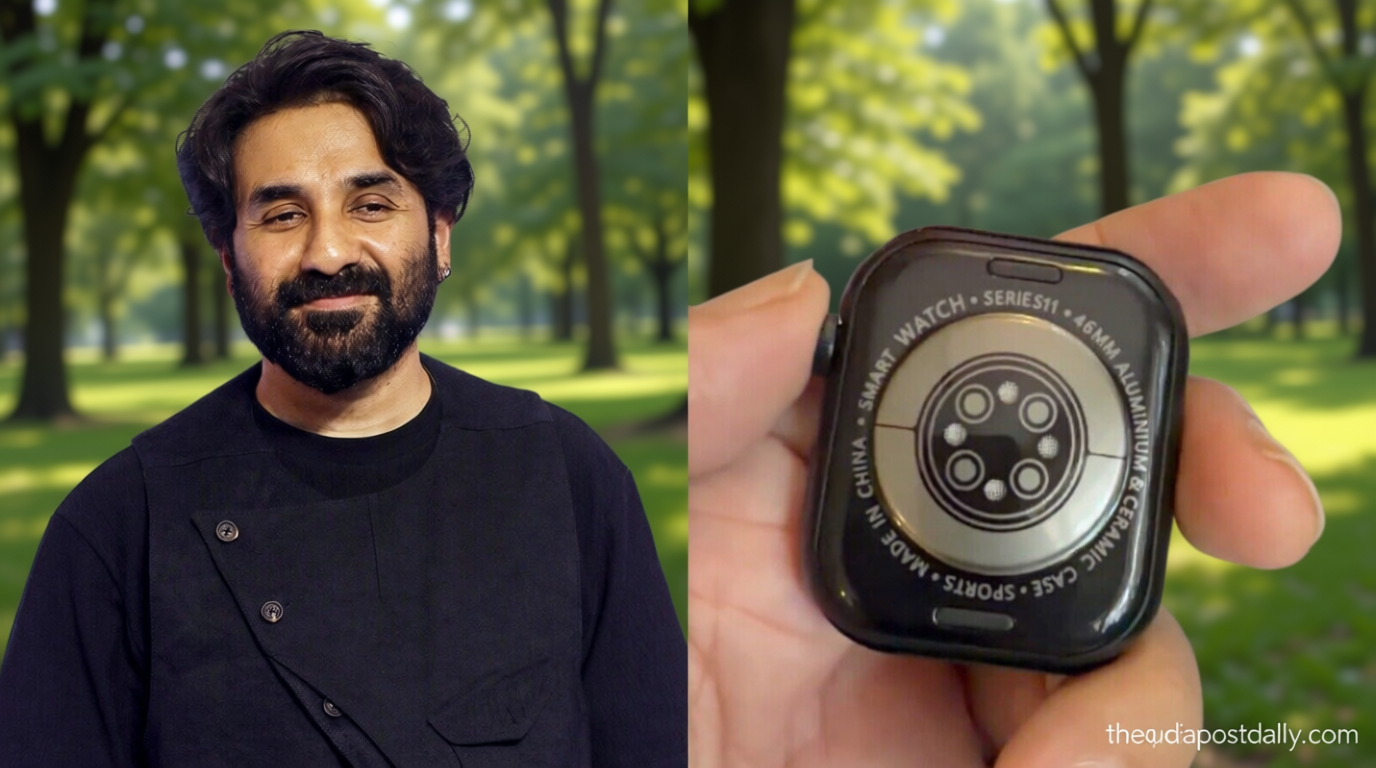
Theindiapostdaily.com – Comedian and content creator Vir Das has accused quick-commerce platform Zepto of delivering a counterfeit Apple Watch valued at ₹50,000, calling it a “full scam.” In a video posted on X, Das exposed the fraud by showcasing the unsealed packaging and the absence of Apple branding, raising questions about the product’s authenticity and Zepto’s quality control measures. His allegations have sparked a wave of public scrutiny, highlighting concerns about online retailers’ reliability in high-value transactions.
Exposing the Counterfeit Product
Das meticulously unpacked the device, emphasizing the lack of proper branding on both the watch and its accessories. He pointed out that the packaging bore no Apple logo, which he argued was a clear indicator of the product being a replica. “Here it says Series 11, etcetera, etcetera,” he remarked, “but once you open it up, there’s no logo—nothing on the box.” This stark contrast between the product’s label and its actual appearance fueled his criticism of Zepto’s transparency.
“No Apple anywhere,” he added, his tone growing increasingly frustrated. “Bro, you charged us full price. Why you scamming Zepto? What is this?”
The video further revealed the watch’s “Made in China” label, alongside the phrase “Designed by watch in China,” deepening suspicions of a counterfeit scheme. Das argued that the product’s origin was misrepresented, which could mislead buyers into paying premium prices for substandard goods. His post has since been shared widely, drawing attention to the potential pitfalls of quick-commerce platforms.
Customer Support Response and Escalation
Das explained that he contacted Zepto’s customer support after receiving the fake Apple Watch, only to be met with minimal assistance. “They said there’s nothing they could do,” he stated, expressing disappointment at the lack of accountability. This prompted him to escalate the issue publicly, accusing the company of failing to address consumer concerns despite the evident scam.
Zepto’s response to the allegations came swiftly, with a spokesperson acknowledging the incident. The statement noted that the platform had initiated a reverse pickup of the product as part of its standard process for investigating brand partner discrepancies. However, Das argued that the procedure was insufficient, given the high cost of the item and the deceptive nature of the transaction.
Public Reaction and Broader Implications
The video has generated intense debate on social media, with users divided on whether Zepto’s actions constitute a full-scale scam or a minor oversight. While some echoed Das’s claims, others defended the company, citing positive experiences with their delivery speed and customer service. “I got fake Apple EarPods from them once, but they refunded me,” one commenter noted, suggesting a mixed perception of Zepto’s reliability.
Meanwhile, the incident has sparked broader conversations about the rise of quick-commerce and its risks. With the sector expanding rapidly, concerns about counterfeit goods and poor quality control have intensified. Das’s case is seen as a cautionary tale, reminding consumers to scrutinize product details and verify authenticity, especially when purchasing high-end items online.
Zepto’s Commitment to Resolution
Zepto’s spokesperson reiterated their commitment to resolving the issue, stating that the company was actively reviewing the case and would take appropriate action. “We take such concerns seriously,” the statement emphasized, highlighting their efforts to maintain trust with customers. However, Das pointed out that the OTP verification system at delivery—designed to ensure authenticity—was not properly executed in this instance.
He suggested that the lack of verification might have allowed the counterfeit product to reach consumers unnoticed. This raises questions about Zepto’s internal processes and whether their rapid delivery model compromises product inspection. The incident underscores the importance of robust verification systems for e-commerce platforms, particularly those dealing with high-value items like smartwatches.
Consumer Trust and the Need for Transparency
Vir Das’s allegations have amplified calls for greater transparency in the quick-commerce industry. With brands like Apple facing imitation from Chinese manufacturers, the distinction between genuine and counterfeit products is often blurred. Das’s video serves as a visual testament to the risks consumers face when relying on quick delivery without thorough inspection.
Experts suggest that such cases are becoming more common as quick-commerce platforms prioritize speed over meticulous quality checks. “The pressure to deliver fast can sometimes lead to shortcuts in verification,” said a retail analyst. This highlights a critical challenge for the sector: balancing efficiency with consumer assurance. Zepto’s response, while prompt, may not fully address the trust issues raised by Das and his followers.