Urad defies El Niño threat: prices seen stable as supply to hold up
New Delhi: Urad defies El Niño threat as consumers can expect their favorite dishes to remain affordable this season. Your plate of idli, dosa, dal makhani
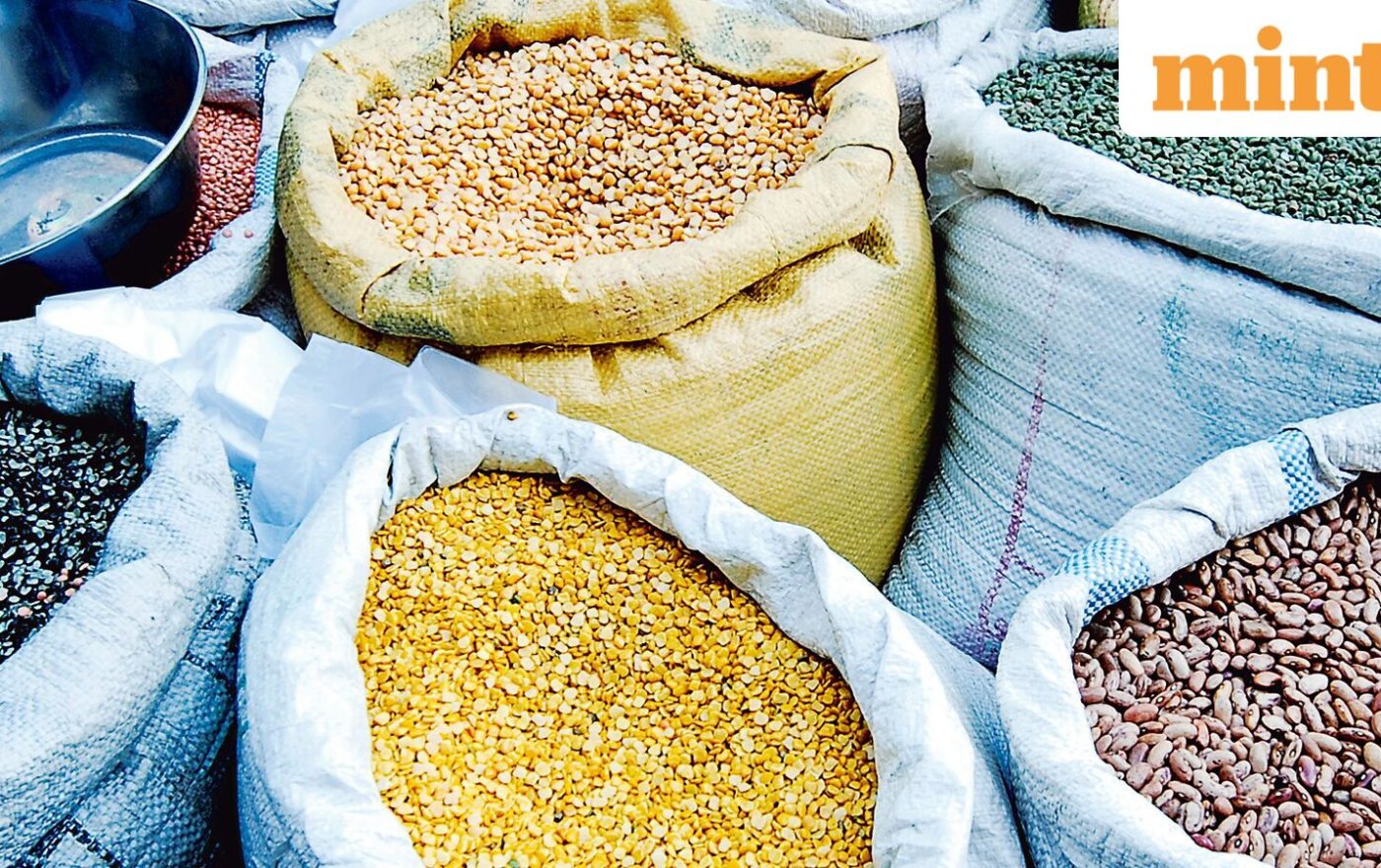
Urad Defies El Niño Threat: Prices Expected to Remain Stable Amid Supply Confidence
Theindiapostdaily.com – New Delhi: Urad defies El Niño threat as consumers can expect their favorite dishes to remain affordable this season. Your plate of idli, dosa, dal makhani, or a pack of papad is unlikely to get much costlier this year despite widespread concerns that the El Niño impact could fan food inflation by clipping the harvest of kharif crops, including these items’ key input, urad. The government is confident India will have comfortable supplies of the key pulse as, unlike most crops of the season, urad sowing is higher than last year while imports from Myanmar and Brazil are also seen adequate, said two officials in the know.
Supply Chain Resilience Against Climate Challenges
The agricultural sector has demonstrated remarkable resilience in the face of climate uncertainties. While El Niño typically disrupts monsoon patterns and affects crop yields across India, the urad market has shown stability that defies conventional expectations. This stability is attributed to multiple factors working in tandem to ensure adequate supply throughout the year.
Domestic production has played a crucial role in maintaining price stability. Farmers have increased their urad cultivation compared to the previous year, providing a buffer against potential shortfalls. This increased sowing area has been particularly significant given that urad is one of the most widely consumed pulses in Indian households, used in various traditional dishes and daily meals.
“The government’s confidence stems from a combination of factors including higher domestic sowing, adequate import volumes, and favorable weather conditions in key producing regions,” noted an agricultural economist familiar with the situation.
Import Strategy and Global Market Dynamics
India’s import strategy has been instrumental in supporting domestic supply. The country has been sourcing urad from multiple international markets, with Myanmar and Brazil emerging as key suppliers. These imports have been particularly valuable in supplementing domestic production and ensuring that urban centers with high consumption rates receive adequate supplies.
The timing of these imports has been well-coordinated with domestic harvest cycles, preventing any significant gaps in availability. Market analysts suggest that this diversified approach to sourcing has reduced India’s vulnerability to any single market disruption, whether domestic or international.
Additionally, the government’s monitoring mechanisms have been effective in tracking supply movements and identifying potential bottlenecks before they impact consumer prices. This proactive approach has helped maintain market stability even as global commodity prices fluctuated.
Consumer Impact and Future Outlook
For the average Indian consumer, the stability in urad prices translates to predictable food budgets. Pulse-based dishes remain an essential part of the Indian diet, and any significant price increase would have cascading effects on household expenditure. The current stability is therefore welcome news for families across income segments.
Looking ahead, experts suggest that the favorable conditions may persist through the next harvest season. However, they caution that continued monitoring of weather patterns and global market developments will be essential to maintain this positive trajectory.
Frequently Asked Questions
Q: What is the current price trend for urad? A: Urad prices are expected to remain stable this year despite El Niño concerns, with no significant increase anticipated.
Q: Which countries are major urad suppliers to India? A: Myanmar and Brazil are currently the primary import sources for India’s urad requirements.
Q: How has urad sowing changed compared to last year? A: Urad sowing has increased compared to the previous year, contributing to better supply outlook.
Q: What role does El Niño typically play in food prices? A: El Niño usually disrupts monsoon patterns and can lead to reduced crop yields, potentially increasing food inflation.