Strongest El Nino since 1950 is on the way: What will be its impact on Indian monsoon?
Climate forecasters are sounding the alarm as the Strongest El Nino since 1950 continues to build momentum in the tropical Pacific Ocean. This powerful
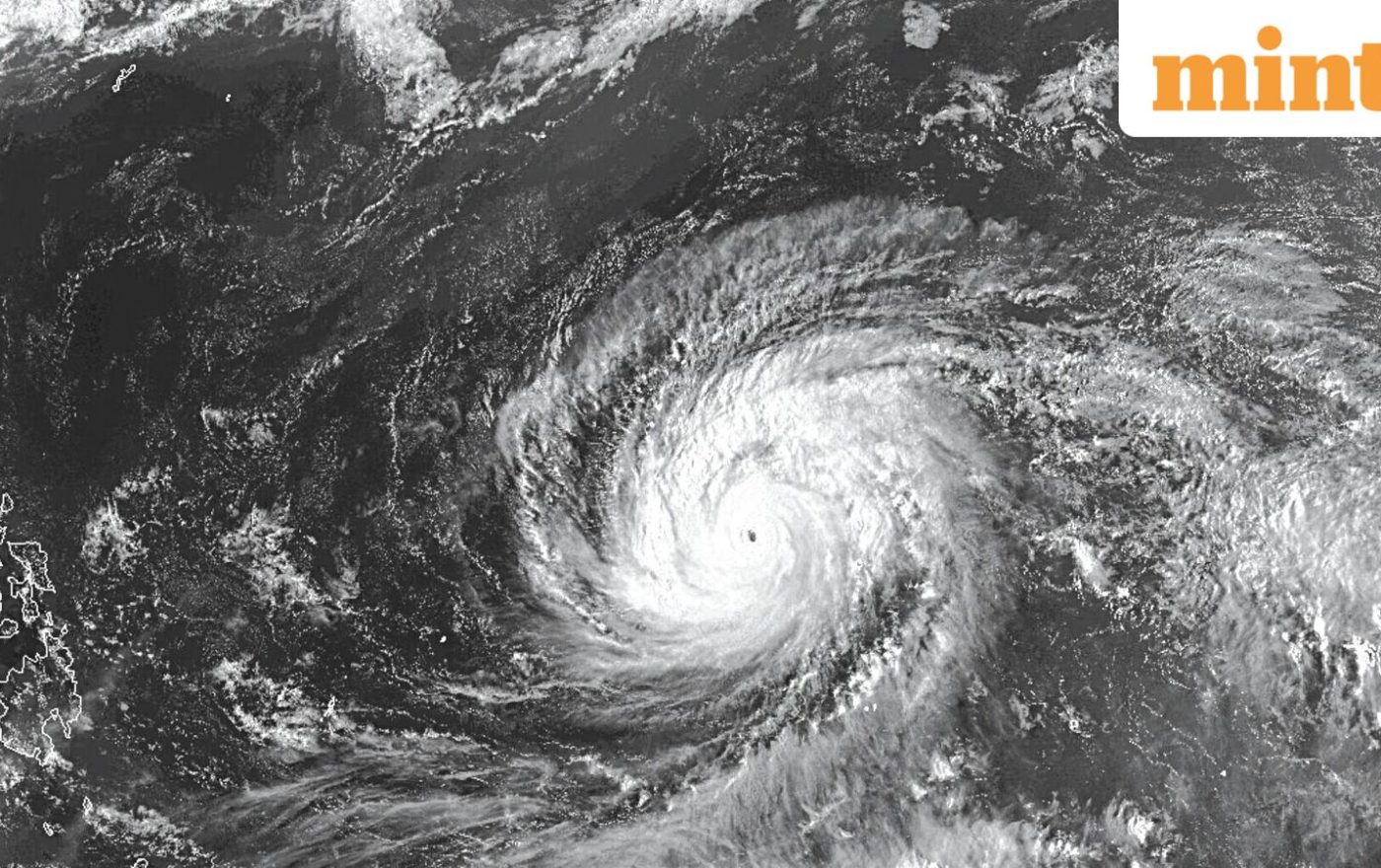
Strongest El Nino since 1950: What to Expect for Indian Monsoon
Theindiapostdaily.com – Climate forecasters are sounding the alarm as the Strongest El Nino since 1950 continues to build momentum in the tropical Pacific Ocean. This powerful climate phenomenon is not only gathering strength but is also projected to break historical records, fundamentally altering weather patterns across the globe. According to CNN’s reporting, computer models are now showing clear evidence that this particular El Nino event will secure its place as the most intense of its kind in over seven decades.
The implications for India are particularly significant. As one of the world’s largest economies and a nation heavily dependent on agricultural cycles, understanding the trajectory of this climate event is crucial for policymakers, farmers, and urban planners alike. The Strongest El Nino since 1950 is expected to bring drier-than-usual conditions during the critical summer monsoon season, potentially disrupting food supplies and water resources across multiple states.
Understanding the El Nino Phenomenon
El Nino events represent a complex climate cycle characterized by unusually warm ocean temperatures in the central and eastern tropical Pacific. Jeffrey Shaman, a climate and public health researcher at Columbia University, explains that these events transfer massive amounts of heat to the atmosphere through clouds and heavy precipitation—much like how sound waves propagate after a bell rings.
What makes this current event particularly noteworthy is the intensity of the warming. A record-strong El Nino is measured by how hot the water becomes in a specific benchmark region of the tropical Pacific. Nathaniel Johnson, a specialist in seasonal climate forecasting at the National Oceanic and Atmospheric Administration (NOAA), notes that when a strong El Nino develops, it becomes the dominant player influencing seasonal weather patterns throughout its duration.
What Makes This Event Special?
The current El Nino is distinguished by several factors that set it apart from previous events. First, the rate at which ocean temperatures have risen exceeds historical averages. Second, the spatial extent of the warming covers a broader area of the Pacific than typical El Nino events. Finally, the timing of this development coincides with other climate drivers, potentially amplifying its effects on global weather systems.
Impact on Indian Monsoon and Agriculture
For India, the arrival of the Strongest El Nino since 1950 carries significant implications for the monsoon season. Historically, El Nino events have been associated with reduced rainfall during the summer monsoon months of June through September. This reduction can have cascading effects on agriculture, water reservoirs, and energy production.
“A strong El Nino means that it will be the dominant player influencing seasonal weather patterns through its duration,” said Nathaniel Johnson of NOAA.
Farmers across India may need to adapt their planting strategies, considering different crop varieties that are more resilient to drought conditions. The increased likelihood of both drought and floods during this period requires careful planning and resource allocation. Additionally, the Strongest El Nino since 1950 is expected to push global average temperatures to record levels, with projections indicating that 2026 and 2027 could see unprecedented warmth.
Global Weather Effects and Preparation
Beyond India, the Strongest El Nino since 1950 is expected to create diverse weather patterns worldwide. Indonesia and Australia face the prospect of drought conditions, while parts of Africa may experience both drought and heavier-than-average rainfall in different regions. In the United States, the Northern states are likely to see a milder-than-usual winter, while the southern states may experience wetter conditions.
One of the most significant global impacts is the expected reduction in Atlantic hurricane activity. However, this does not mean the absence of severe weather events. Cities worldwide should prepare for extreme heat waves, heavy rainfall events, and the compounding effects of rising temperatures on urban infrastructure.
Looking Ahead: What Experts Recommend
As the Strongest El Nino since 1950 continues to develop, experts are emphasizing the importance of proactive preparation. Policymakers are being urged to develop contingency plans for potential disruptions to food supplies and key resources. Farmers are advised to consider crop diversification and water conservation strategies.
Urban planners should focus on heat mitigation strategies, including green infrastructure and improved building designs. The extended period of record warm global sea temperatures—currently lasting for at least two months—suggests that these effects may persist well beyond the typical El Nino cycle.
While the full impact of this climate event will unfold over the coming months, the early indicators are clear. The Strongest El Nino since 1950 is not just a meteorological curiosity; it is a significant climate driver that will shape weather patterns, agricultural outcomes, and economic conditions across multiple continents for the foreseeable future.
Frequently Asked Questions
When is the Strongest El Nino since 1950 expected to peak?
Based on current computer model projections, the El Nino event is expected to reach its peak intensity during the latter half of 2024, with effects potentially lasting into 2025.
How will this El Nino affect Indian agriculture?
The Strongest El Nino since 1950 is likely to cause reduced monsoon rainfall, potentially affecting crop yields, particularly for rain-fed crops like rice, wheat, and pulses. Farmers may need to adjust planting schedules and consider drought-resistant varieties.
Will this El Nino make global temperatures record-breaking?
Yes, experts predict that the Strongest El Nino since 1950 will contribute to record global temperatures in 2026 and 2027, building on the current trend of elevated sea temperatures.
How does this El Nino compare to previous events?
This event is being measured against the benchmark of the 1950s, with current indicators showing it surpasses many previous strong El Nino events in terms of both intensity and spatial extent.