Railways to allow industry-designed wagons in push for more freight
Railways to allow industry-designed wagons in push for more freight New Policy Framework for Industry-Driven Wagon Design Theindiapostdaily.com – Indian Railways is set to implement a groundbreaking policy that will…
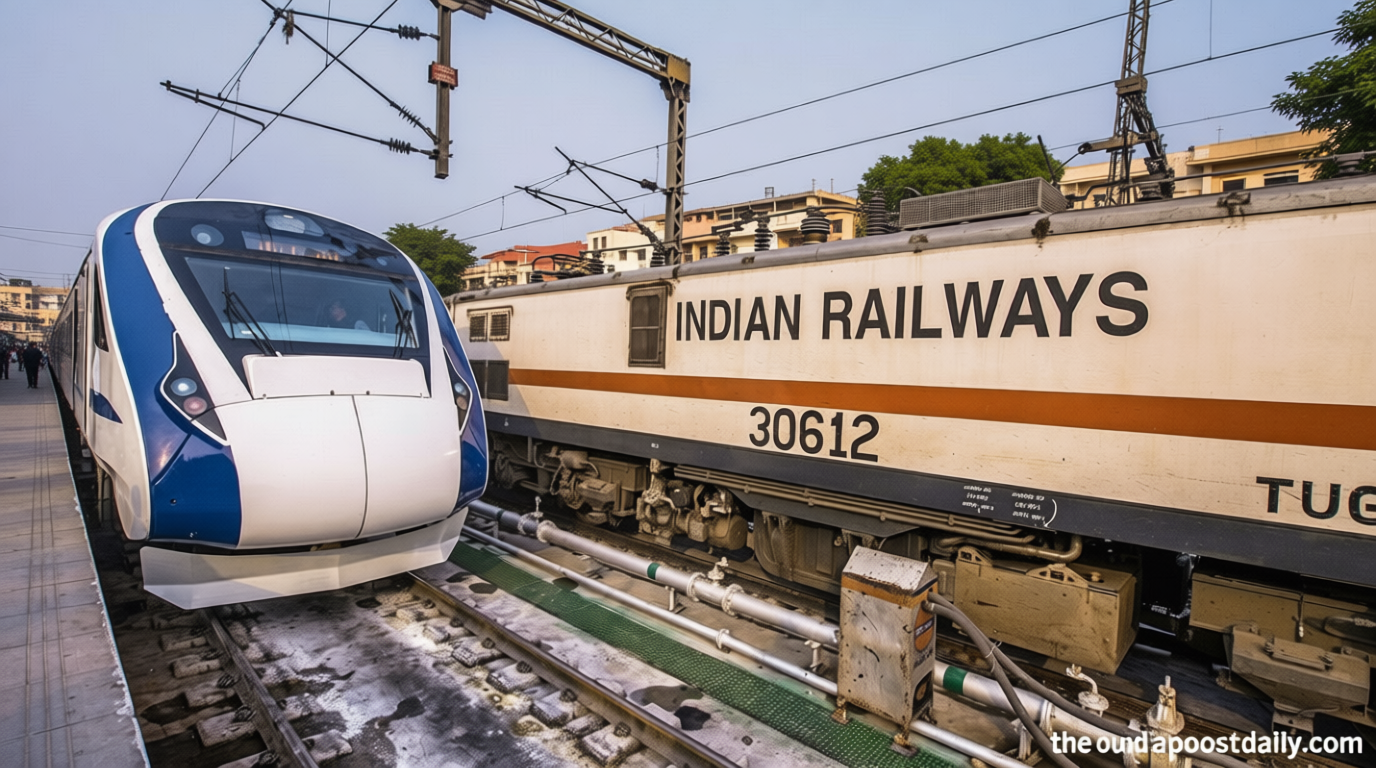
Railways to allow industry-designed wagons in push for more freight
New Policy Framework for Industry-Driven Wagon Design
Theindiapostdaily.com – Indian Railways is set to implement a groundbreaking policy that will enable industries to design their own freight wagons, marking a significant shift in how logistics are managed within the country. The initiative, spearheaded by Railway Minister Ashwini Vaishnaw and backed by senior officials, is expected to be unveiled within 15 days, aiming to enhance the efficiency and adaptability of rail freight transport. This move is designed to empower businesses by allowing them to tailor wagons to specific needs, ensuring that the transportation infrastructure keeps pace with evolving market demands. The policy is a response to growing pressure to modernize the rail system and improve its competitiveness in the logistics sector.
Collaborative Approach to Customized Wagon Solutions
The development of this policy was driven by extensive consultations with key industry players, including trade associations, freight clients, and logistics providers. These discussions highlighted the inefficiencies in the current wagon design process, where standardized models often failed to meet the unique requirements of different commodities. For instance, the transportation of cement and salt, which are bulk and sensitive materials, required specialized wagons to prevent damage during transit and streamline loading and unloading. Industry experts have emphasized that this collaborative framework will not only address these challenges but also foster innovation by involving manufacturers and transporters in the design process.
By introducing this flexibility, the ministry is acknowledging the diverse operational needs of various sectors. Steel coils, for example, necessitate specific binding and handling systems to ensure they remain secure during long-distance transport. The ability to customize wagons for such commodities could lead to substantial improvements in delivery times and cargo integrity. This approach also aligns with the broader goal of increasing the share of freight transported by rail, a target that has been central to the National Rail Plan since its inception.
Strategic Goals for Rail Freight Expansion
The National Rail Plan, launched to revitalize India’s rail freight sector, has set an ambitious target of raising railways’ contribution to total freight movement from its current 26-27% to 45% by 2030. This goal is underpinned by the need to reduce reliance on road transport, which is more prone to congestion and higher emissions. Industry stakeholders have welcomed the policy as a crucial step toward achieving this vision, noting that customized wagons could play a pivotal role in meeting the growing demand for efficient and sustainable logistics.
Railways to allow industry designed wagons is not just a regulatory change but a strategic overhaul of how the rail network operates. The policy is expected to create a more dynamic and responsive system, where wagons can be designed to match the requirements of specific industries. This could lead to better utilization of rail infrastructure, reduced delays, and improved cargo handling, ultimately making rail transport a more viable option for businesses. The Ministry of Railways has stated that the initiative will support the country’s broader economic and environmental objectives, ensuring that freight movement becomes a cornerstone of India’s logistics ecosystem.
Environmental and Economic Advantages
Rail freight has long been recognized for its environmental benefits, particularly in reducing carbon emissions. Compared to road transport, it offers a 90% reduction in greenhouse gas emissions, making it a key player in India’s sustainability goals. With the country’s railways approaching full electrification, this policy could further amplify the eco-friendly advantages of rail transport. Policymakers have highlighted that railways to allow industry designed wagons will help reduce diesel imports and lower the overall carbon footprint of the logistics industry.
From an economic standpoint, the shift toward customized wagons is expected to cut transportation costs and improve the efficiency of goods delivery. By aligning wagon design with industry needs, the policy aims to streamline operations and reduce the need for costly modifications at the loading and unloading stages. This could lead to significant savings for businesses, especially those dealing with high-value or perishable goods. Additionally, the improved reliability of rail freight could make it a more attractive option for industries looking to optimize their supply chains.
Implementation and Safety Standards
As part of the policy, industries will be given the authority to propose wagon designs that suit their specific requirements. However, safety and compliance standards will remain under the supervision of the Railway Design Standards Organization (RDSO) and the Central Railway and Container Corporation (CCRS). This balance between industry autonomy and regulatory oversight ensures that the new designs meet safety benchmarks while being tailored to practical needs. The ministry has emphasized that the policy will not compromise on safety, even as it encourages innovation and customization in freight transport.
The implementation process will involve a phased approach, starting with pilot projects in key sectors such as steel, cement, and food products. These pilots will test the effectiveness of industry-designed wagons and provide data for further refinements. The success of these projects could pave the way for broader adoption across the logistics industry. Railways to allow industry designed wagons is a testament to the ministry’s commitment to fostering collaboration and driving progress in rail freight.
Industry Response and Future Outlook
“These reforms are expected to enable several new industries to enter the railway freight ecosystem,” the ministry said in a statement. The policy has been met with enthusiasm from industry leaders, who see it as a game-changer for the sector. By giving companies the freedom to design wagons that suit their unique needs, the initiative is anticipated to unlock new opportunities for innovation and efficiency. This could lead to the development of specialized solutions for emerging sectors, such as e-commerce and renewable energy, which require flexible and reliable transportation options.
Industry experts have also pointed out that the policy could reduce the time and cost associated with designing wagons, allowing for quicker deployment of new models. The railways to allow industry designed wagons approach is likely to create a more agile and customer-centric rail freight system, positioning India as a leader in sustainable and efficient logistics.
Looking ahead, the policy is expected to catalyze a new era of innovation in the rail industry. By integrating industry insights into wagon design, the government is not only improving the efficiency of freight movement but also fostering a culture of collaboration between public and private sectors. This could lead to the creation of a more competitive and resilient logistics network, capable of meeting the demands of a rapidly growing economy. The long-term impact of railways to allow industry designed wagons is anticipated to be transformative, offering a sustainable solution for the future of freight transport.