Pranit More in legal soup over ‘370 biryani’ remark: Maharashtra cyber police books comedian; NCW takes cognisance
Comedian Pranit More has found himself in the spotlight after a controversial "370 biryani"
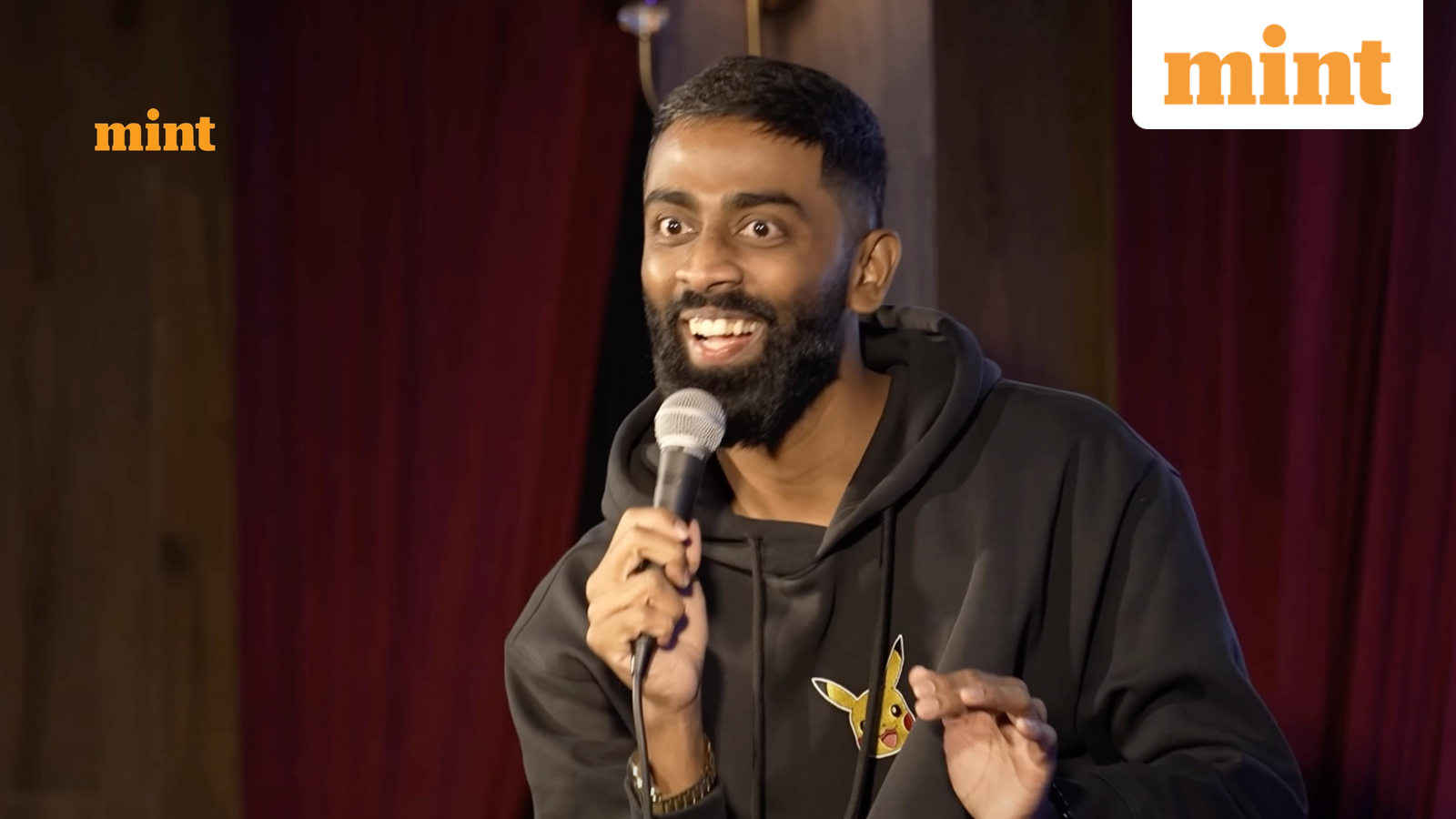
Comedian Pranit More in Legal Soup Over ‘370 Biryani’ Joke
Theindiapostdaily.com – Comedian Pranit More has found himself in the spotlight after a controversial “370 biryani” remark sparked a legal and social firestorm. The incident, which took place during a performance in Gurugram, involved More reacting to a joke by audience member Himanshu Jangra about spending ₹370 on a chicken biryani in exchange for a date. The remark, interpreted by some as a reference to sexual coercion, has drawn criticism for its potential to trivialize non-consensual behavior. Now, the Maharashtra Cyber Police has booked More in connection with the comment, while the National Commission for Women (NCW) has taken cognisance of the case, highlighting concerns about how such jokes might influence societal attitudes toward women.
NCW’s Role in Addressing Gender-Based Humor
The National Commission for Women (NCW) has initiated an inquiry into the incident, emphasizing that the “370 biryani” joke could be seen as normalizing behavior that undermines a woman’s consent. In a statement, the NCW warned that the remark might contribute to a culture where sexual favors are expected in exchange for monetary gestures. This has led to renewed discussions about the responsibilities of comedians in ensuring their material does not perpetuate stereotypes or harm. The commission has also requested updates on the FIR filed under the Bharatiya Nyaya Sanhita (BNS) and is examining the role of the venue organizers in allowing the joke to gain traction.
Legal Proceedings and Social Media Fallout
Following the performance, the Maharashtra Cyber Police filed a case against Pranit More on Thursday, accusing him of promoting a potentially misogynistic narrative through his response to the joke. The decision to charge More has ignited a polarized debate on social media platforms, with users sharing clips of the incident and amplifying the controversy. Meanwhile, Jangra, the audience member who made the remark, faced immediate repercussions when his employer terminated his contract. The swift action underscores the growing sensitivity around gender-related humor in the public eye.
“Normalisation or glorification of behaviour that undermines a woman’s consent, dignity and bodily autonomy has far-reaching consequences for women’s safety and social attitudes towards gender-based violence.”
The case has also prompted calls for stricter guidelines in comedy performances, especially in settings where audience interactions are live. Legal experts note that the BNS provisions under which the case was filed allow for the prosecution of individuals who spread misinformation or incite public disorder. As the legal proceedings unfold, the incident serves as a microcosm of broader conversations about the boundaries of humor and its impact on societal norms.
Pranit More’s Apology and Continued Controversy
Before his Instagram account was suspended, Pranit More issued a public apology, acknowledging his role in the incident. “The comments made by the audience member do not reflect my views. Looking back, I should have challenged the remark instead of laughing and moving on. That was a lapse in judgment on my part,” he wrote. The comedian expressed regret over his failure to address the joke in real time, noting that live crowdwork often requires quick responses. However, critics argue that even a moment of laughter can be interpreted as complicity in the spread of misogynistic ideas.
“I’m human, and like anyone else, I’m constantly learning.”
Despite his apology, the incident remains a point of contention. Some supporters defend More’s actions, citing the spontaneous nature of live performances, while detractors insist that comedians must take responsibility for their words. The debate has spilled into online forums, where users continue to dissect the joke and its implications, further fueling the case’s visibility.
Broader Implications for Comedy and Gender Perception
The “370 biryani” remark has become a symbol of the growing scrutiny on gender-based humor in contemporary Indian society. As social media platforms amplify such discussions, the case reflects a shift in public sentiment toward holding comedians accountable for their content. Experts suggest that while humor is a powerful tool, it must be balanced with awareness of its potential to reinforce harmful stereotypes. The incident also highlights the role of audience participation in shaping the tone of comedic material, raising questions about the responsibilities of both performers and viewers.
With the legal and social repercussions still unfolding, Pranit More’s case underscores the intersection of entertainment and societal values. The broader debate continues as audiences and critics alike weigh the line between harmless jest and offensive commentary. Whether this marks a turning point for comedy in India or merely a passing controversy, the incident has already left a lasting impression on public discourse.