PM internship scheme gets new performance metrics after pilot review
PM Internship Scheme Gets New Performance Metrics After Pilot Review Theindiapostdaily.com – The Prime Minister's Internship Scheme (PMIS) has undergone significant revisions to its performance metrics following a thorough pilot…
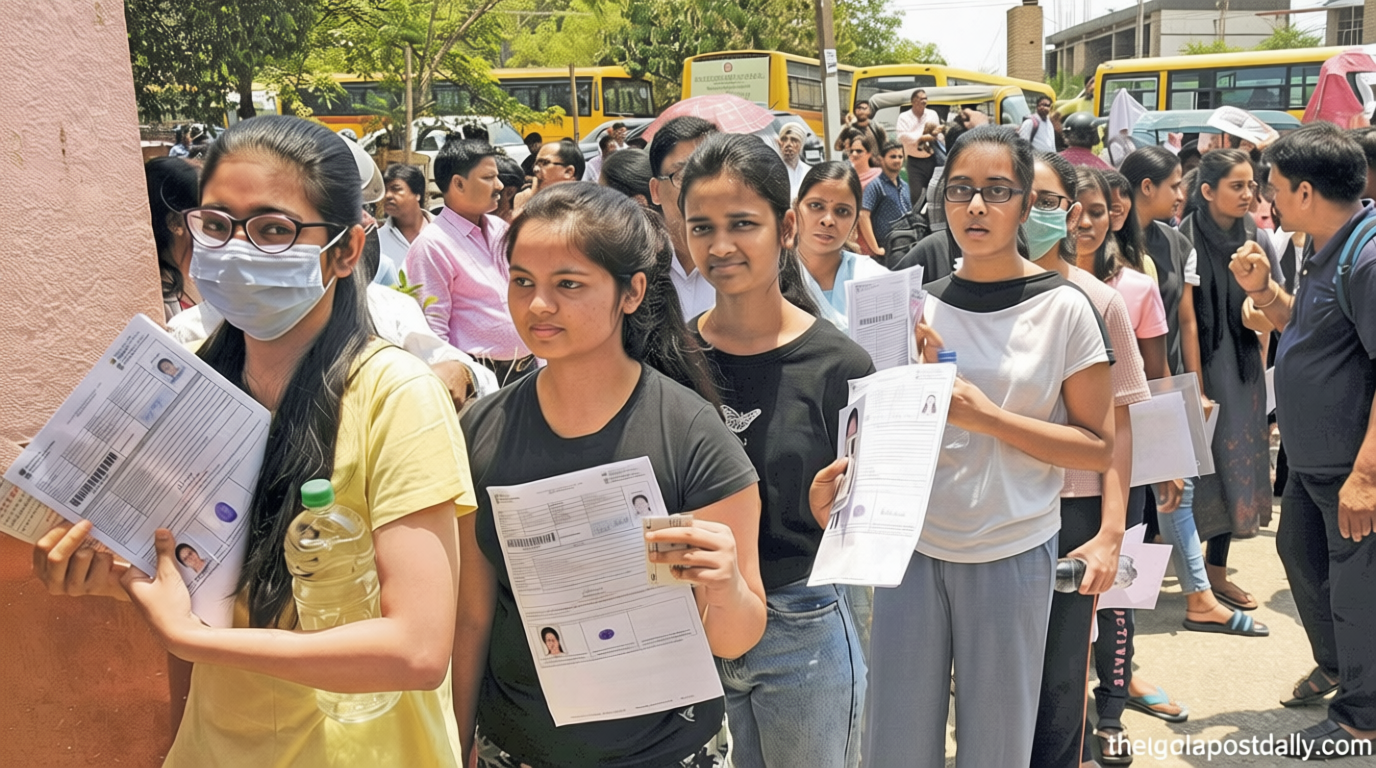
PM Internship Scheme Gets New Performance Metrics After Pilot Review
Theindiapostdaily.com – The Prime Minister’s Internship Scheme (PMIS) has undergone significant revisions to its performance metrics following a thorough pilot evaluation, a move that aims to elevate its effectiveness and transparency. This adjustment comes as part of a broader effort to refine the program, which was initially designed to connect young professionals with opportunities in government departments. With the focus keyword “PM internship scheme gets new performance” woven into the opening paragraph, the updated criteria are expected to address the inefficiencies that emerged during the pilot phase. Officials have emphasized that these changes are not just about streamlining processes but also about ensuring that the scheme aligns more closely with its intended goals of fostering youth employment and skill development. The new metrics will take effect in the fiscal year 2027 (FY27) and are set to redefine how the success of the program is measured, offering a more comprehensive framework for accountability and impact assessment.
Key Adjustments to Enhance Scheme Effectiveness
During the pilot review, several critical issues were identified, including a lack of clarity in the selection process and inconsistent feedback from both employers and interns. According to insiders, the government has taken a data-driven approach to redefine the performance metrics, ensuring they reflect measurable outcomes rather than subjective assessments. The revised system includes more specific benchmarks, such as the number of interns successfully placed in their respective departments, the duration of their internships, and their satisfaction levels. These updates are expected to improve the overall efficiency of the program, making it easier for stakeholders to track progress and address gaps. By introducing these metrics, the PMIS is not only becoming more transparent but also more competitive in attracting qualified participants and employers.
“The pilot phase revealed that the previous metrics were too vague, so we’ve introduced a scoring system that prioritizes tangible results,” explained one official. “This will help us ensure that the scheme is delivering real value to both interns and the government.”
The changes are also intended to reduce the administrative burden on participating organizations, allowing them to focus more on the quality of the internships they provide. For instance, the new guidelines require employers to submit regular performance reports, which will be evaluated alongside feedback from interns. This two-way assessment is designed to create a more balanced view of the scheme’s impact and ensure that both parties are held to higher standards. Additionally, the metrics now include a focus on skill development, with interns required to demonstrate measurable growth in their competencies during the program. This shift underscores the government’s commitment to fostering meaningful professional experiences for participants.
Impact of the Pilot Review on Metrics
The pilot review, which ran over a six-month period earlier this year, provided valuable insights into the scheme’s shortcomings. One of the most notable findings was the low conversion rate of applications to actual internships, with only 60% of applicants being successfully placed. This discrepancy highlighted the need for a more rigorous selection process, which has now been incorporated into the new metrics. Another key issue identified was the lack of alignment between the skills interns possessed and the requirements of the roles they were assigned. To address this, the revised framework includes a detailed skill-matching scorecard, which evaluates how well applicants’ qualifications align with the needs of the departments. This change is expected to reduce the number of mismatched placements and improve the overall quality of the internships offered under the PMIS.
“We’re focusing on creating a more structured approach to evaluation so that the outcomes are clear and actionable,” added another source. “This will help us identify which departments are performing well and which need further improvements.”
The revised metrics also emphasize the importance of feedback mechanisms. Interns and employers will now be required to provide detailed evaluations after the completion of their internships, ensuring that the government has a comprehensive understanding of the program’s strengths and weaknesses. These evaluations will be used to refine the scheme further, with adjustments made based on real-time data. Additionally, the new guidelines include a stipend component that has been revised to better reflect the cost of living in different regions of the country. This change is intended to make the PMIS more attractive to a wider pool of applicants, particularly those from economically disadvantaged backgrounds.
Implementation Timeline and Expectations
The updated performance metrics are set to take full effect in FY27, with a phased rollout beginning in early 2026. This timeline allows for a smooth transition, giving departments and employers time to adapt to the new requirements. The government has also announced plans to increase the number of internship slots available under the PMIS, which is expected to improve the overall participation rate. According to officials, the revised scheme will be accompanied by a dedicated monitoring body, the PMIS Performance Evaluation Centre, which will oversee the implementation and ensure compliance with the new metrics. This center will play a crucial role in analyzing data, identifying trends, and providing recommendations for further optimization.
As the PMIS moves into its next phase, stakeholders are encouraged to embrace the new metrics as a tool for continuous improvement. Employers will need to ensure that their evaluation processes are aligned with the updated criteria, while interns are advised to actively engage with the feedback mechanisms to maximize their learning outcomes. The government has also pledged to publish quarterly performance reports, making the scheme’s progress publicly accessible and fostering greater accountability. These efforts are part of a larger initiative to enhance the credibility of the PMIS and ensure that it remains a viable option for youth seeking professional development opportunities. With these changes in place, the scheme is positioned to become a more effective and sustainable program, delivering tangible benefits to participants and the government alike.