‘Non citizens can also get Indian passport?’ Netizens ask what proves citizenship as MEA calls it ‘travel document’
Non-Citizens Can Also Get Indian Passports? MEA's Definition Sparks Public Debate Theindiapostdaily.com – Non-citizens can also get Indian passports, a statement from the Ministry of External Affairs (MEA) has reignited…
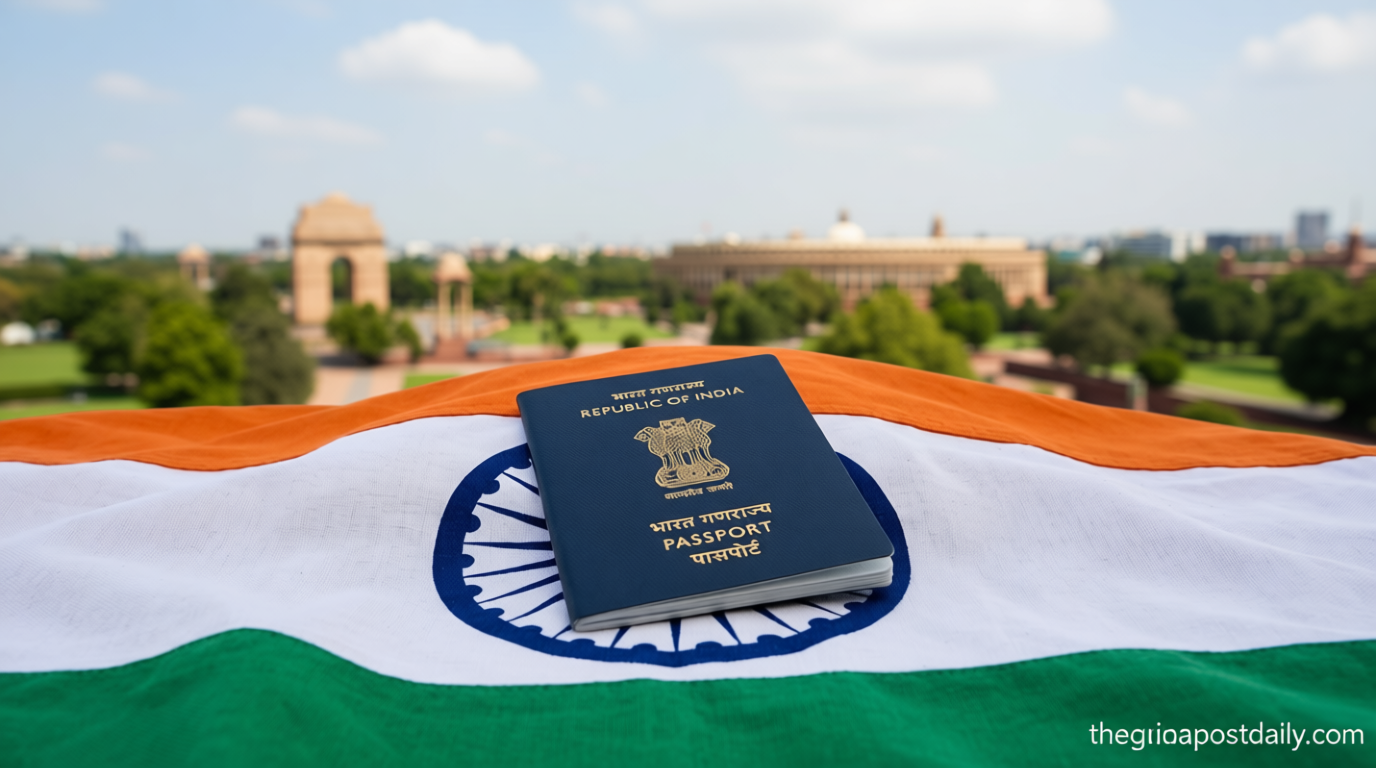
Non-Citizens Can Also Get Indian Passports? MEA’s Definition Sparks Public Debate
Theindiapostdaily.com – Non-citizens can also get Indian passports, a statement from the Ministry of External Affairs (MEA) has reignited discussions about the role of passports in proving Indian citizenship. The assertion, that passports are merely travel documents, has left netizens questioning the legal criteria for establishing nationality. This clarification has raised concerns over whether Indian passports still serve as definitive proof of identity and rights, or if they are now being viewed as flexible travel permits.
MEA’s Perspective on Passport Functionality
In response to the growing confusion, an MEA spokesperson emphasized that passports are issued after “extensive verification” through documents from various government bodies. “Passports are designed to facilitate international travel, not to exclusively define citizenship,” they noted. However, this explanation has led to scrutiny, with critics arguing that the process lacks clarity on how non-citizens are eligible for passports while retaining their original purpose of proving nationality.
The MEA’s position appears to align with the broader framework of India’s legal system, where citizenship is governed by the Citizenship Act, 1955, and the Passports Act, 1967. While the former outlines the criteria for Indian nationality, the latter focuses on issuing travel documents. This distinction has sparked debates over whether the two acts are being conflated in public discourse, potentially undermining the symbolic weight of passports as proof of identity.
Public Reaction and Legal Questions
“If a passport isn’t proof of citizenship, then what is?”
Social media platforms have become battlegrounds for this controversy, with users demanding transparency in the passport issuance process. One user questioned the logic of the MEA’s redefinition, suggesting that it might allow non-citizens to hold Indian passports without clear legal backing. “How can we trust a passport to claim Indian nationality if it doesn’t confirm citizenship?” they asked, highlighting a core issue in the debate.
Renowned writer Javed Akhtar added his voice to the discussion, critiquing the MEA’s stance as a “logical leap.” “This seems like a serious misstep—if passports don’t prove citizenship, then what does?” he wrote, underscoring the public’s confusion. Meanwhile, political leaders like Shiv Sena UBT’s Aaditya Thackeray criticized the ministry’s ambiguous messaging, further amplifying the controversy.
Some users have taken a humorous approach to the debate, joking about the need for “forehead tattoos in our native language” to prove identity. Others have pointed to existing identity documents like Aadhaar cards and voter IDs, which are not universally accepted as proof of citizenship. These examples illustrate the broader challenge of reconciling travel documents with legal nationality in India’s bureaucratic framework.
Clarifying the Legal Framework
Netizens have sought to understand the practical implications of the MEA’s statement by examining the documentation required for passport applications. A detailed query highlighted that applicants often submit academic certificates and a father’s passport to establish their “Indian by birth” status. “The Citizenship Act, 1955, defines citizenship,” the user explained, “but the Passports Act, 1967, only provides travel permits. Isn’t it a serious oversight if officials issue passports to non-citizens?”
Further questions have emerged about the consistency of this approach. For instance, if passports are no longer proof of citizenship, how does that affect the validity of consular assistance? Critics argue that the MEA’s redefinition could weaken the protection offered to Indian nationals abroad, as embassies may struggle to verify nationality in emergencies. This has raised concerns about the legal and practical consequences of the shift in perspective.
Broader Implications for National Identity
The MEA’s reclassification of passports has sparked a wider conversation about the relationship between identity documents and legal status in India. While the ministry maintains that passports are primarily travel instruments, the public remains divided on whether this distinction is sufficient. Advocates for a clear definition argue that passports should reflect a citizen’s legal standing, while others support the MEA’s pragmatic approach, emphasizing the document’s role in enabling mobility.
This debate reflects the evolving nature of national identity in a globalized world. As India continues to engage with international norms, the question of what constitutes citizenship remains a critical topic. The MEA’s statement has not only generated online discourse but also prompted a closer look at how India balances its legal framework with practical administrative needs. Whether this redefinition is a step forward or a source of confusion will depend on how effectively the ministry communicates the distinction between travel permits and citizenship credentials.