Mumbai receives more rain in a week than Delhi gets in a year, nears Bengaluru’s annual total
Mumbai's Rainfall Surpasses Delhi's Annual Total in a Week Theindiapostdaily.com – In a striking meteorological event, Mumbai's rainfall in a single week has exceeded Delhi's annual average, highlighting an unusual…
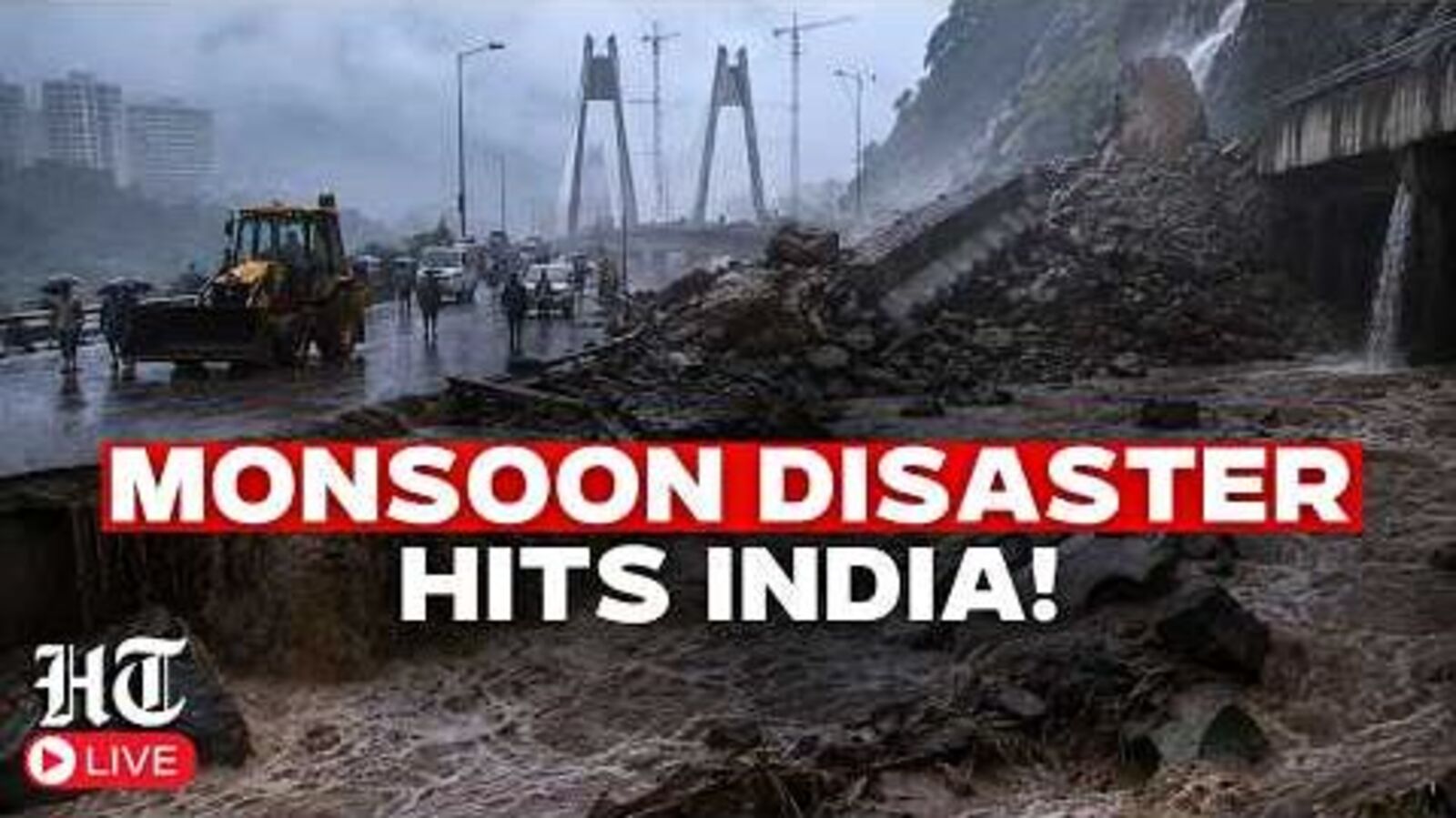
Mumbai’s Rainfall Surpasses Delhi’s Annual Total in a Week
Theindiapostdaily.com – In a striking meteorological event, Mumbai’s rainfall in a single week has exceeded Delhi’s annual average, highlighting an unusual intensity in the city’s monsoon season. The India Meteorological Department (IMD) recorded a staggering 882.6 mm at Colaba and 988.8 mm at Santacruz over the past seven days, surpassing Delhi’s typical yearly total of around 774 mm. This unprecedented downpour has drawn comparisons to Bengaluru’s annual rainfall, with Mumbai nearing the southern city’s average of approximately 1,234 mm, underscoring the severity of the weather pattern.
Record-Breaking Downpours and Regional Impacts
The monsoon surge has been particularly intense in Mumbai, with Colaba alone accounting for 113% of Delhi’s annual rainfall. The Times of India reported that this week’s precipitation matched some of the city’s wettest July days in recent memory, leading to widespread waterlogging and disrupted daily life. While the situation was severe, officials noted that the ground conditions were less dire than the media suggested, as highlighted by civic authority Ashwini Bhide in a recent statement.
The rainfall has also affected infrastructure and transportation. High-intensity showers have caused localized flooding in low-lying areas, forcing authorities to implement emergency measures. The city’s drainage systems, already strained by previous downpours, have been tested further, with many residents expressing concern about the long-term implications for urban planning and climate resilience.
Monsoon Expansion and Future Projections
As the monsoon season progresses, the IMD has forecasted that the southwest monsoon will extend to the North Arabian Sea, Rajasthan, Haryana, and Punjab within the next few days, ensuring coverage across the entire country. This expansion is expected to bring prolonged rainfall to regions that have experienced delayed monsoon activity, potentially alleviating drought conditions in parts of northern India.
However, the system is not without its challenges. Intense downpours are anticipated in regions such as west Madhya Pradesh, sub-Himalayan West Bengal, Sikkim, Konkan, Goa, Madhya Maharashtra, and Assam and Meghalaya on 8 July. These areas may face additional disruptions, with the monsoon system intensifying and testing the preparedness of local authorities. Experts warn that such erratic weather patterns could become more frequent as climate change alters traditional monsoon cycles.
The focus on Mumbai’s extraordinary rainfall has sparked discussions about the city’s vulnerability to extreme weather. With its low-lying geography and dense population, Mumbai is often cited as one of India’s most flood-prone cities. The current episode serves as a reminder of the need for improved drainage infrastructure and emergency response systems to handle sudden deluges. Residents and officials alike are calling for long-term solutions to mitigate the risks associated with climate-induced rainfall extremes.
As the rains continue, the IMD has adjusted alert levels, reducing Mumbai’s status from orange to yellow. Colaba saw a drop to 0.7 mm on Tuesday, while Santacruz recorded 6.1 mm, indicating a temporary easing of the intensity. Despite this, moderate showers are expected to persist across the city, with meteorologists advising continued vigilance due to the potential for sudden storm activity.
The comparison between Mumbai’s weekly rainfall and Delhi’s annual total has drawn attention to regional climate disparities. While Delhi typically experiences a more distributed monsoon season, Mumbai’s coastal location and specific climatic conditions create a scenario where heavy rains can concentrate in short periods. This phenomenon has been observed in previous years, but the scale of this week’s deluge has set a new benchmark for urban areas in the region.