Modi Govt finds unlikely admirer in Omar Abdullah on fuel prices amid Iran war; Rijiju calls him a ‘sensible leader’
Modi Govt Finds Unlikely Admirer in Omar Abdullah Amid Iran War and Fuel Price Concerns Modi Govt finds unlikely admirer in Omar - India’s Union government
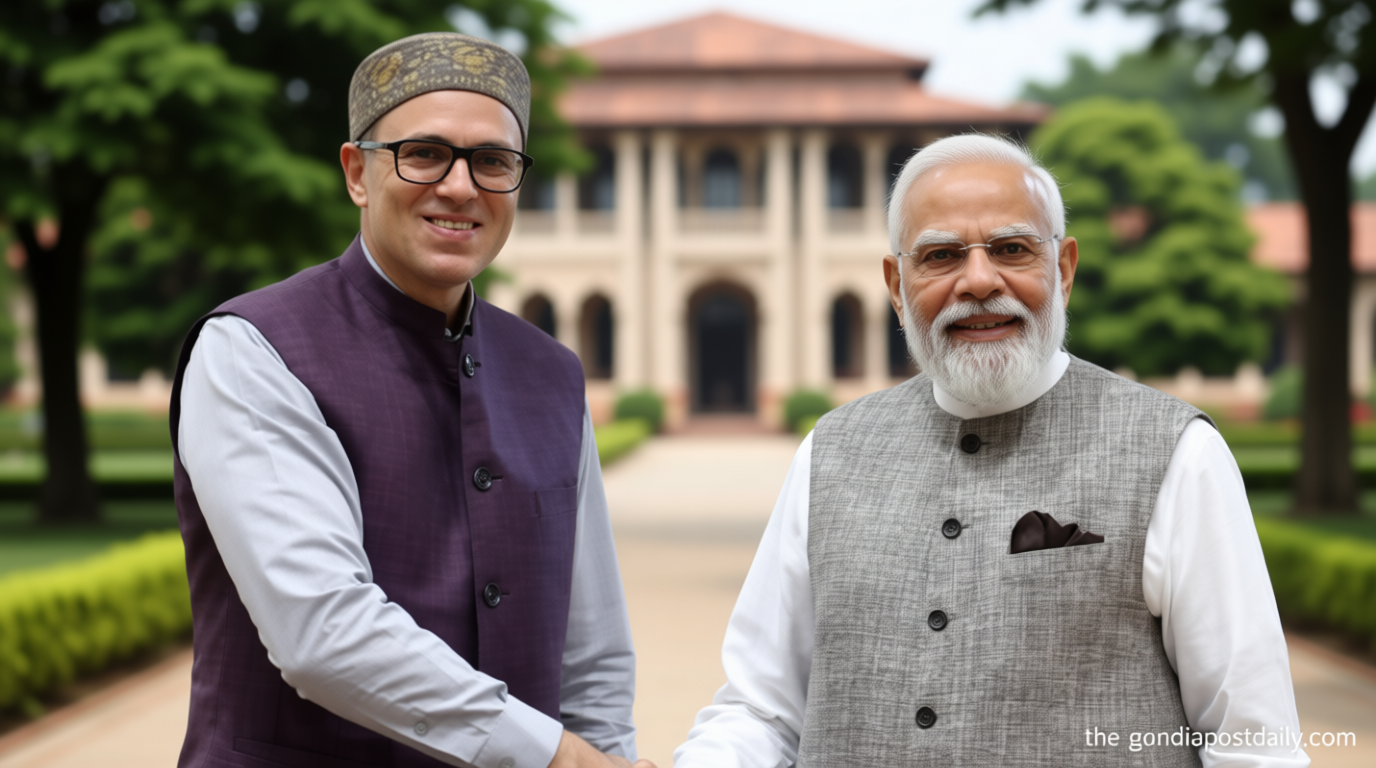
Modi Govt Finds Unlikely Admirer in Omar Abdullah Amid Iran War and Fuel Price Concerns
Theindiapostdaily.com – India’s Union government, led by Prime Minister Narendra Modi, has encountered an unexpected endorsement from Jammu and Kashmir’s Chief Minister, Omar Abdullah, regarding the nation’s fuel price management during the ongoing Iran war. This rare show of appreciation highlights a growing alignment between the Modi administration and Abdullah on critical economic and geopolitical issues. In a recent exchange, Abdullah praised the government’s approach to maintaining fuel stability, calling it a model of effective leadership. His remarks, which were shared publicly by BJP minister Kiren Rijiju, underscore a shift in political discourse as leaders from different parties find common ground on pressing challenges.
Ambiguous Energy Crisis and Strategic Response
Abdullah’s endorsement came in the context of a global energy crisis exacerbated by the Iran war. As supply chains faced disruptions and fuel prices surged worldwide, India’s ability to stabilize its energy market became a point of discussion. During a televised interview, Abdullah pointed out that while many nations struggled with rationing and scarcity, India’s approach to fuel distribution remained efficient. He specifically mentioned the situation in Europe, where aviation fuel was being rationed by the litre, and contrasted it with India’s more resilient energy infrastructure. His comments also emphasized the importance of resolving the conflict quickly to prevent further economic strain.
Rijiju, the BJP minister, seized the opportunity to acknowledge Abdullah’s perspective, dubbing him a “sensible leader” and praising his ability to communicate with clarity and balance. This public recognition, which occurred during a high-profile meeting with Modi, marked a significant moment in cross-party dialogue. While Abdullah has long been a vocal advocate for Jammu and Kashmir’s statehood, his current stance on fuel pricing has drawn attention from both the ruling party and opposition factions, suggesting a broader appreciation for pragmatic economic policies.
Political Alliances and Regional Stability
The meeting between Modi and Abdullah took place during a critical phase of the Iran war, which has had far-reaching implications for global energy markets. Abdullah’s comments reflect not only his concern for regional stability but also his strategic interest in India’s economic resilience. He highlighted the government’s efforts to maintain fuel availability, which has been a key issue for both the public and political leaders. By aligning with the Modi Govt on this matter, Abdullah has positioned himself as a leader who prioritizes national interests over ideological divides.
Abdullah’s support for the Modi Govt’s fuel pricing strategy has also resonated with other opposition figures. During a recent INDIA bloc meeting in Delhi, his party joined forces with other groups to emphasize the importance of regional stability in addressing energy challenges. The Prime Minister’s Office, which shared images of the meeting on social media, noted the symbolic significance of the collaboration. Abdullah’s public praise for the Modi administration’s handling of fuel prices has been seen as a calculated move to strengthen political alliances while advocating for Jammu and Kashmir’s autonomy.
Abdullah’s comments have sparked a debate on the role of regional conflicts in shaping domestic economic policies. As the Iran war continues to impact global oil markets, India’s ability to manage fuel prices without significant disruptions has become a key talking point. His recognition of the Modi Govt’s leadership comes at a time when energy security is a top priority for the nation. Rijiju’s endorsement further reinforces this sentiment, suggesting that the government’s economic strategy is gaining traction even among critics.
In a separate statement, Rijiju emphasized the importance of unity during crises, stating that while political differences persist, collaboration is essential for the country’s benefit. This message aligns with Abdullah’s comments on fuel prices, which he framed as a demonstration of India’s strategic foresight. The pairing of the Modi Govt and Abdullah has also drawn comparisons to the government’s broader economic reforms, which have aimed to balance growth with stability. Analysts suggest that the admiration for Modi’s policies may be a reflection of the challenges faced by the current administration in maintaining public confidence.