Kusha Kapila hits back at viral posts linking her to Samay Raina: ‘Stop minimising women’
Kusha Kapila Condemns Viral Posts Linking Her to Samay Raina: 'Stop Minimising Women' Kusha Kapila hits back at viral posts that have falsely tied her to
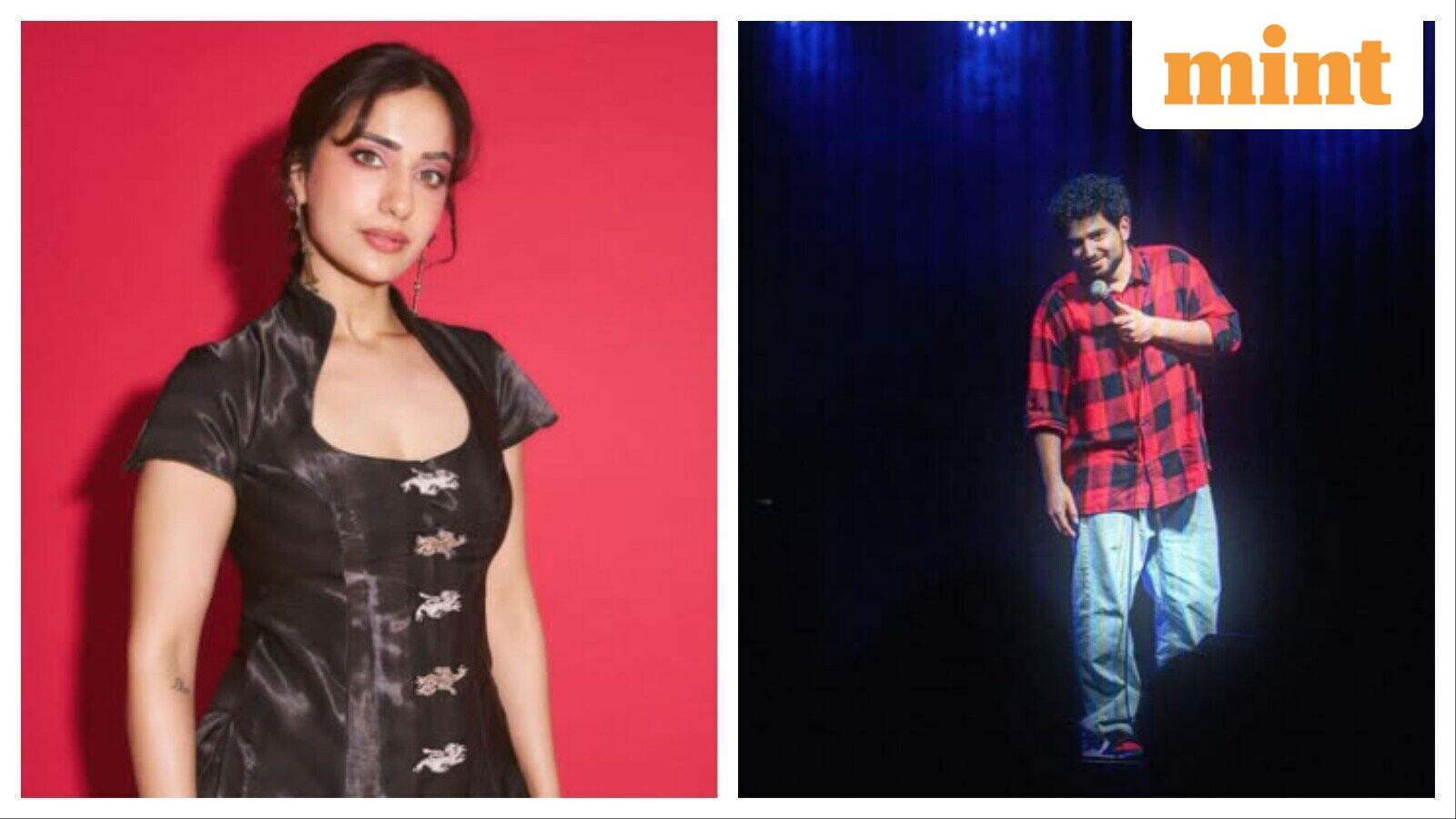
Kusha Kapila Condemns Viral Posts Linking Her to Samay Raina: ‘Stop Minimising Women’
Theindiapostdaily.com – Kusha Kapila hits back at viral posts that have falsely tied her to comedian Samay Raina, accusing the online content of undermining her credibility and reducing women to stereotypes. The actress and content creator took to Instagram to refute the rumors, calling them “fake and seeded” as she emphasized the need to combat misinformation in the digital space. Her response highlights the growing concern about how viral narratives can be weaponized to discredit individuals, especially women, and how the incel (involuntary celibate) community often amplifies such stories.
Viral Posts Fuel Misinformation Campaign
The viral posts emerged after a series of edited images circulated on social media, suggesting an intimate connection between Kusha and Samay. Kusha’s Instagram Stories became a battleground as she shared screenshots of these altered visuals, pointing out the manipulative intent behind their creation. She argued that the posts were not just random claims but carefully curated to portray her as someone who prioritizes romantic relationships over her professional achievements. The situation has sparked a wider conversation about the role of online influencers in spreading unverified stories and the impact such content can have on a person’s public image.
“Fake and seeded. My face is AI altered. Why would anyone spend any money doing this is beyond me? The way incel internet will stoop down to minimise me is laughable at this point (sic),” she captioned her response.
Kusha’s frustration stems from the fact that the viral posts have not only targeted her but also amplified existing tensions between her and Samay. While the two had previously disagreed over comedic content, the new claims have painted her as a manipulative figure, which she denies. She clarified that the relationship between her and Samay was not as close as the posts suggested, and that the edited images were a deliberate attempt to distort the truth for attention. This has led her to accuse the creators of the content of using AI technology to fabricate visuals that align with the narrative they want to push.
Revealing Past Disagreements and Public Backlash
Kusha’s reaction to the viral posts is part of a larger pattern of her standing up against online harassment. Earlier this year, she had blocked Samay after he made “insensitive” remarks about her during a comedy roast event. The comments, which she found dehumanising, had already sparked a public debate, and the recent viral content has reignited that controversy. Kusha expressed her dismay at how these posts have been used to further discredit her, even as she continues to advocate for women’s voices in the media.
“Let’s fact check this one by one because I don’t have the time and patience to make a plan to dismantle this. We will do this calmly and with reason. This is not an e-lafda but just how incel internet will go to the pits to minimise women. All this is happening because I take a stand and still will lol,” she wrote.
Kusha’s efforts to clarify the situation have drawn support from her fans and fellow creators, who have taken to social media to denounce the misinformation. However, the posts have also faced criticism for their lack of evidence and their focus on personal attacks rather than substantive arguments. She has urged the public to scrutinise the content more closely and to question the motives behind its creation. This incident has become a symbol of the broader issue of how viral content can be used to manipulate perceptions and silence women in the public eye.
Context of the Controversy and Public Reaction
The viral posts gained traction after being shared by several online accounts, many of which have a history of promoting anti-feminist or misogynistic content. Kusha’s claim that the images were AI-generated has resonated with many who have seen similar tactics used to distort reality online. The controversy also highlights the role of social media algorithms in amplifying content that spreads quickly, often without fact-checking. As the debate continues, Kusha has become a vocal advocate for transparency in digital storytelling and for holding creators accountable for their work.
Public reactions have been mixed, with some applauding Kusha’s courage to challenge the narrative, while others have defended the posts, arguing that they are a reflection of public opinion. The incident has also sparked discussions about the importance of verifying sources before sharing information, especially in an age where misinformation can spread faster than facts. Kusha’s response serves as a reminder of how critical it is to maintain trust in the digital space and to ensure that women’s contributions are not overshadowed by biased or fabricated stories.
Despite the backlash, Kusha remains resolute in her stance, using the controversy as an opportunity to educate her audience about the dangers of online misinformation. Her call to action has been widely shared, with many users echoing her sentiments and demanding that the incel community be held to higher standards of accountability. As the debate continues, the focus remains on whether the viral posts were an isolated incident or part of a larger pattern of targeting women in the entertainment industry.