Iran launches missiles targeting commercial vessels transiting Strait of Hormuz again: Here’s what we know
Iran Launches Missiles at Commercial Vessels in Strait of Hormuz Again Iran launches missiles targeting commercial vessels - Iran has once again launched
Iran Launches Missiles at Commercial Vessels in Strait of Hormuz Again
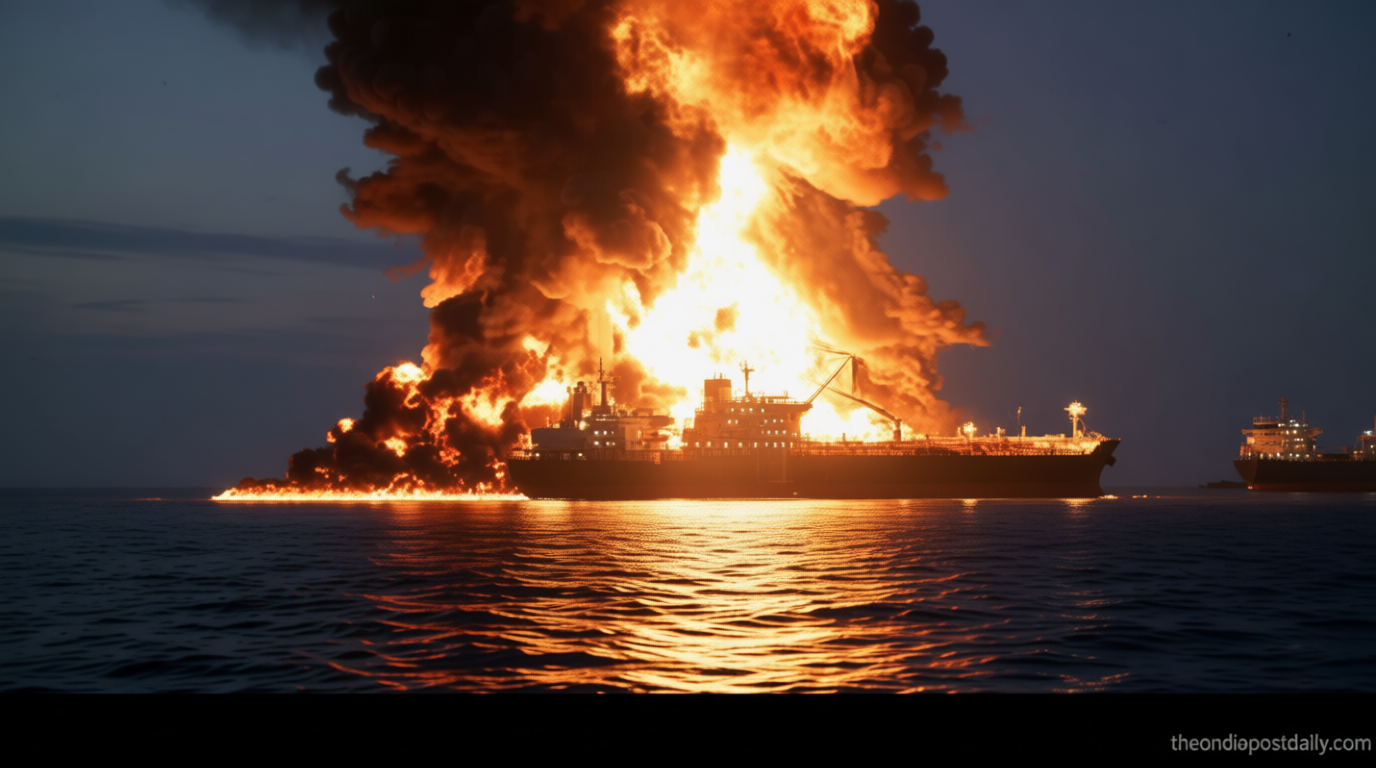
Theindiapostdaily.com – Iran has once again launched missiles at commercial vessels passing through the Strait of Hormuz, escalating tensions with the United States. This incident follows a suspected attack on a commercial ship near the strategic waterway two weeks prior, prompting Washington to threaten retaliatory strikes. U.S. officials confirmed that the Islamic Revolutionary Guard Corps (IRGC) fired two missiles on Monday night, damaging two commercial ships without causing casualties. The attack underscores ongoing efforts by Iran to challenge maritime security in the region, a key hub for global oil trade.
Strategic Impact and U.S. Response
The Strait of Hormuz, a critical chokepoint for approximately 20% of the world’s oil shipments, has become a flashpoint for regional conflict. The recent missile strikes, reported by the United Kingdom Maritime Trade Operations (UKMTO), occurred near Oman’s coast, approximately 8 nautical miles east of the waterway. This location highlights Iran’s focus on disrupting shipping lanes, a tactic aimed at pressuring Western nations and allies. A U.S. official later clarified that a second commercial vessel was targeted, emphasizing the potential for broader escalation.
Iran’s actions have reignited concerns about the stability of the 14-point Memorandum of Understanding (MoU) signed three weeks ago. The agreement, which Iran committed to cease attacks on commercial vessels, appears to be under threat as the IRGC continues its aggressive posture. Analysts warn that such incidents could derail ongoing diplomatic efforts and further isolate Iran internationally, particularly as it faces economic sanctions and military buildup from the U.S.
Iranian Rhetoric and Regional Context
Iran’s military has issued clear warnings to commercial ships, with the IRGC broadcasting a message that read, “Our missiles and drones are ready to fire at you.” This rhetoric aligns with the missile strike, which targeted the Gulf of Oman, a vital area for maritime traffic. Reuters identified one of the damaged vessels as the Qatar-operated LNG tanker *Al Rekayyat*, suggesting the attack may have been a calculated move to disrupt energy exports. The incident also coincides with heightened activity by Iran’s naval forces, which have been conducting regular exercises near the strait.
The attack comes amid a backdrop of regional instability, with Iran and the U.S. locked in a cycle of brinkmanship. The IRGC’s decision to target commercial vessels, despite the MoU, signals a shift toward more aggressive tactics. Meanwhile, the U.S. remains focused on containing Iran’s influence, with President Donald Trump advocating for either a diplomatic resolution or decisive military action. “We’re either going to make a deal, or we’re going to finish the job,” Trump stated, highlighting the urgency of the situation.
Global Trade and Diplomatic Implications
The missile strike has raised alarms about the security of global trade routes. With the Strait of Hormuz being a primary passage for oil tankers, any disruption can lead to price hikes and supply chain issues. The U.S. has warned that further attacks could justify targeted strikes on Iranian infrastructure, including military bases and energy facilities. Such actions could have far-reaching consequences, affecting not only Iran but also the broader Middle East and global markets.
Iran’s targeting of commercial vessels reflects a strategy to leverage economic pressure as a diplomatic tool. By threatening shipping lanes, Iran aims to compel the U.S. to negotiate or ease sanctions. However, the effectiveness of this approach is uncertain, as the recent attacks demonstrate Iran’s willingness to escalate hostilities. The IRGC’s claim that the missiles were fired in response to previous U.S. strikes adds context to the ongoing conflict, which has seen both sides accusing each other of provocative actions.
“We can knock down their bridges in one hour, we can knock out their energy supply,” said Mohammad Baqer Zolqadr, Iran’s Supreme National Security Council secretary. “They don’t have any money now. We haven’t given them any money.” His remarks emphasize Iran’s preparedness to escalate tensions, even as it seeks to maintain its stance on the MoU. The country’s leaders have consistently framed the missile strikes as a necessary response to U.S. aggression, a narrative that has shaped public sentiment in the region.
Recent Diplomatic Talks and Ceasefire Agreements
The attacks have occurred just days after a week of indirect U.S.-Iran talks in Doha, Qatar, which concluded without a clear agreement. The ceasefire, agreed upon in late February, was intended to create a window for diplomacy, but Iran’s renewed aggression suggests it may not be sufficient. The U.S. and Israel had previously launched strikes against Iranian targets, and the IRGC’s response has been swift and strategic. Analysts note that the Doha talks, though productive, have not resolved fundamental disagreements between the two nations.
As the situation evolves, the international community is closely monitoring the impact of the missile strikes on global trade and regional stability. The UKMTO’s confirmation of the attacks, combined with U.S. military preparedness, indicates a potential shift toward more direct confrontations. Iran’s continued targeting of commercial vessels may force the U.S. to take decisive action, further complicating the already fragile diplomatic landscape.