Infosys co-founder Kris Gopalakrishnan says 31 km took 2.5 hours, internet calls Bengaluru traffic a ‘nightmare’
Infosys Co-Founder Kris Gopalakrishnan Criticizes Bengaluru Traffic Nightmare Infosys co founder Kris Gopalakrishnan says 31 - Bengaluru’s traffic congestion
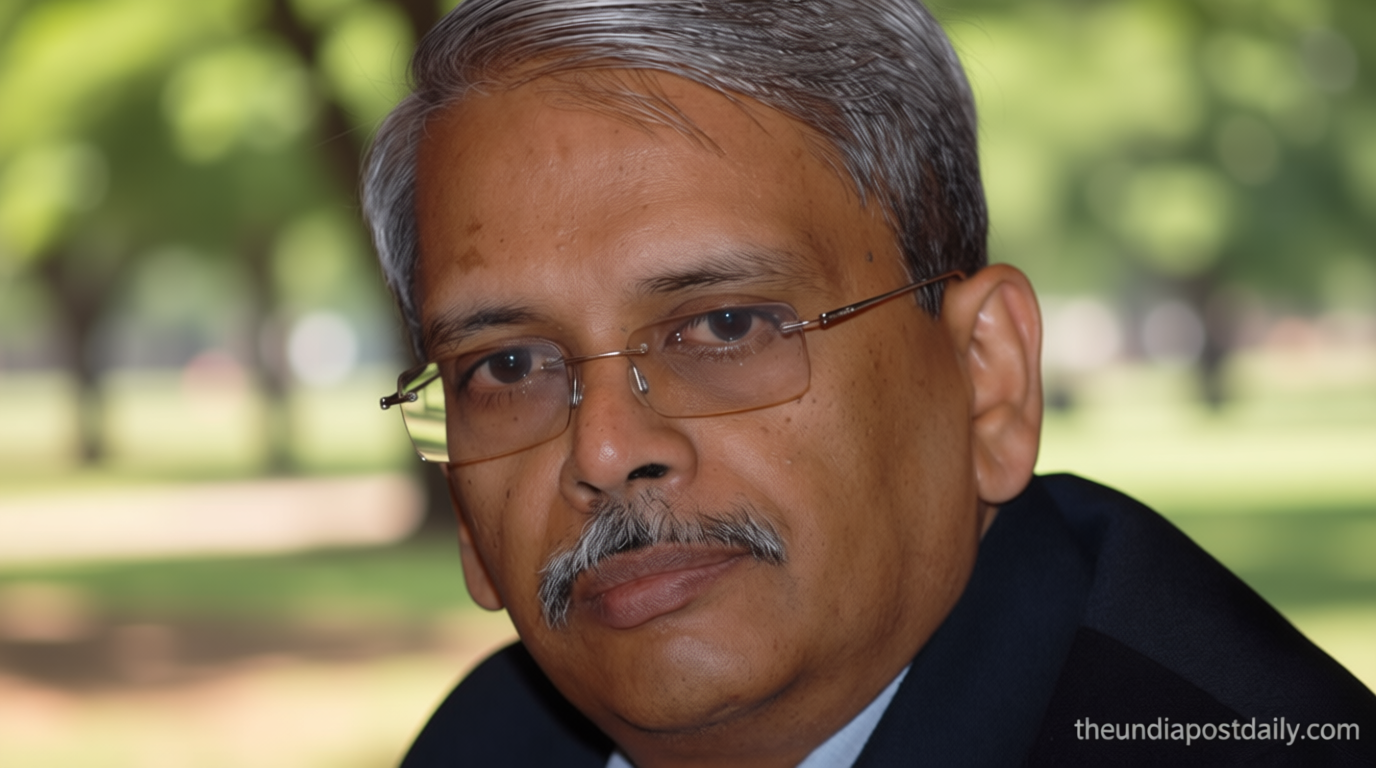
Infosys Co-Founder Kris Gopalakrishnan Criticizes Bengaluru Traffic Nightmare
Theindiapostdaily.com – Bengaluru’s traffic congestion has become a focal point in recent discussions, after Infosys co-founder Kris Gopalakrishnan highlighted the challenges during a 31-kilometre commute that took over two hours. His candid remarks on social media, particularly on X, have amplified the growing frustration among residents, with many sharing similar experiences of delayed travel and deteriorating road conditions. Gopalakrishnan’s account serves as a stark reminder of the daily struggles faced by commuters, raising questions about the city’s infrastructure and its ability to support urban expansion.
The Toll of Urban Growth and Road Infrastructure
Kris Gopalakrishnan’s post underscored the urgent need for systemic improvements, as the city’s population continues to surge and vehicle numbers outpace road capacity. “31 km took 2 1/2 hours today. It is only becoming worse. Traffic, condition of roads, and poor discipline,” he remarked, encapsulating the multifaceted crisis that has plagued Bengaluru. His critique resonated with a growing number of citizens who argue that the current infrastructure is ill-equipped to handle the demands of a rapidly modernizing metropolis.
“The rain is making it worse everyday!” noted a separate comment, highlighting seasonal challenges.
While the city’s transportation plans, such as the Ejipura flyover and Metro expansion, aim to alleviate pressure, many believe these efforts are insufficient. For instance, the delayed implementation of key projects has left commuters reliant on outdated roads, which are further strained by aggressive driving and inconsistent traffic management. Gopalakrishnan’s emphasis on the need for better discipline and infrastructure aligns with calls from urban planners for a more coordinated approach to urban mobility.
Public Response and Calls for Action
The Infosys co-founder’s viral post prompted a wave of user-generated content, with many sharing their own anecdotes about the city’s traffic woes. One resident recounted a 28-kilometre journey that took nearly three hours, labeling the situation a “nightmare” and urging a shift toward remote work until the roads and rules are improved. “Sir, We the ordinary people know and suffer daily. It would be helpful if people like you can influence the government on ORR infrastructure,” another commenter wrote, emphasizing the personal toll of the problem.
“It’s turning into a nightmare lately. My 28 KM commute last week took 3 hours !! We need to switch to remote till roads, rules and enforcement fall in place,” the user remarked.
These sentiments reflect a broader consensus that public transportation must be prioritized. Some users suggested that increased investment in buses and electric vehicles could reduce the strain on existing roads, while others called for stricter enforcement of traffic laws. Gopalakrishnan’s comments have thus become a catalyst for public discourse, drawing attention to the need for sustainable urban planning and policy reforms.
Industry Perspectives and Policy Implications
As Bengaluru’s traffic crisis deepens, industry leaders are being urged to take a more active role in addressing the issue. Kris Gopalakrishnan’s post has sparked conversations about how companies can contribute to reducing urban congestion. For example, some businesses are exploring hybrid work models to minimize the number of daily commuters, while others are advocating for investments in smart infrastructure and data-driven traffic management systems.
“The city’s growth has outpaced its infrastructure. We need innovative solutions that reflect this reality,” a user commented, linking the problem to economic and social development.
Experts argue that the city’s traffic challenges are not just logistical but also cultural, as many residents lack awareness of the impact of their driving habits. Gopalakrishnan’s emphasis on poor discipline highlights a key area for improvement, with some suggesting that public awareness campaigns could complement existing infrastructure projects to create a more harmonious urban environment.
Legacy of Innovation and Modern Challenges
Kris Gopalakrishnan, a co-founder of Infosys, has long been associated with technological innovation and corporate responsibility. His critique of Bengaluru’s traffic underscores a broader concern about how urbanization affects quality of life. “The challenges we face today are a test of our ability to plan for the future,” he stated, reflecting on the balance between progress and sustainability.
“Our success as a tech hub should not come at the cost of daily commutes becoming unmanageable,” a user added, tying the issue to the city’s reputation as a global IT destination.
As the city continues to grow, the need for forward-thinking policies becomes increasingly critical. Gopalakrishnan’s experience serves as a microcosm of Bengaluru’s larger struggles, prompting a reevaluation of how infrastructure development is prioritized in the context of rapid urbanization. His voice, rooted in experience and insight, adds credibility to the call for urgent action.
Towards a Sustainable Solution
Addressing Bengaluru’s traffic nightmare requires a multifaceted approach, combining immediate fixes with long-term strategies. Kris Gopalakrishnan’s comments have highlighted the importance of integrating technology into urban planning, such as using real-time traffic data to optimize routes and reduce bottlenecks. Additionally, promoting carpooling and expanding public transit options could significantly ease the burden on city roads.
“We must think beyond the current crisis and design a system that supports our future,” another user emphasized, advocating for a holistic solution.
With over 300,000 vehicles on the roads daily, the city’s infrastructure must evolve to accommodate this scale. Gopalakrishnan’s critique, while personal, has sparked a wider conversation about the role of private companies in shaping public policy. As the demand for mobility grows, the urgency to implement sustainable solutions has never been higher, and the voices of leaders like Gopalakrishnan are essential to driving change.