India, Canada push to conclude trade pact this year, deepen strategic ties
India and Canada Commit to Strengthening Trade Ties and Strategic Collaboration Theindiapostdaily.com – India and Canada have intensified their efforts to finalize a trade agreement this year, aiming to solidify…
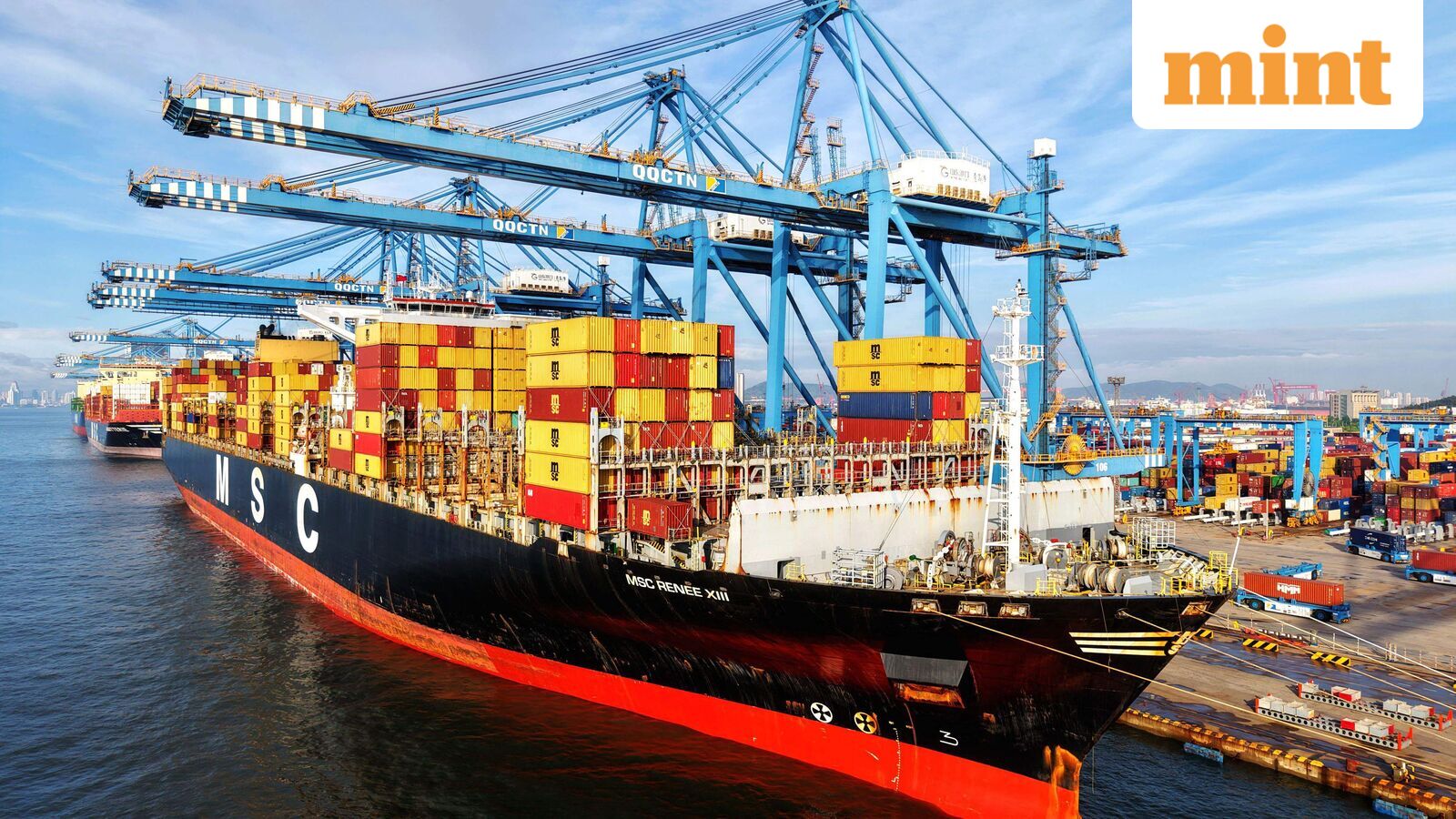
India and Canada Commit to Strengthening Trade Ties and Strategic Collaboration
Theindiapostdaily.com – India and Canada have intensified their efforts to finalize a trade agreement this year, aiming to solidify their economic and strategic partnership. Prime Minister Narendra Modi and Canadian Prime Minister Justin Trudeau, along with Finance Minister Chrystia Freeland, reaffirmed their commitment to concluding the Comprehensive Economic Partnership Agreement (CEPA) by 2026. This strategic alignment was announced during their discussions at the G7 Summit in Evian, France, underscoring a renewed focus on mutual growth and global cooperation. The two nations are also working to expand collaboration in key sectors such as energy, defense, technology, and workforce mobility, further deepening their ties in a rapidly evolving international landscape.
Economic Synergy and Trade Expansion
The push to finalize the India-Canada trade pact is driven by the need to enhance bilateral commerce and diversify supply chains. With merchandise trade already growing significantly, both countries have set ambitious targets to further boost economic ties. Recent negotiations have highlighted the potential of sectors like LNG, LPG, and metallurgical coal, which are critical to India’s energy security and Canada’s export strategy. This progress follows a historic delegation visit by India’s commerce minister to Canada in May, where both sides agreed to expedite talks and target a substantial increase in trade volume. The goal is not only to conclude the CEPA but also to align their economies for long-term resilience and innovation.
India-Canada trade relations have seen a marked resurgence this year, with bilateral exchanges reaching a new milestone. In 2025 alone, two-way trade totaled $13.6 billion, reflecting increased collaboration in areas such as technology, agriculture, and pharmaceuticals. Canadian exports to India, valued at $3.9 billion, include vital goods like vegetables, mineral fuels, and wood pulp, while Indian imports of $9.7 billion are dominated by precious stones, machinery, and advanced medical equipment. Analysts note that the pace of growth indicates a strong foundation for future expansion, particularly as both nations aim to double their trade volume by 2026. This focus on economic partnership is expected to create new opportunities for businesses and investors in both countries.
Strategic and Security Initiatives
India and Canada have also prioritized strengthening security cooperation as part of their broader strategic alignment. Discussions during the G7 Summit emphasized the importance of a General Security of Information Agreement (GSOIA), which would formalize data-sharing protocols between the two nations. This initiative is seen as a key step in fostering trust and collaboration in cybersecurity and intelligence. Additionally, the two countries are expanding defense partnerships, with recent exchanges between military institutions highlighting shared interests in maritime security and joint exercises. The Canada-India Talent and Innovation Strategy, launched in 2024, continues to support skill development and educational programs, ensuring a steady flow of talent to drive innovation.
Modi and Trudeau have expressed optimism about the potential of CEPA to address trade imbalances and open new markets. Canada’s aspirations to become a Dialogue Partner of the Indian Ocean Rim Association (IORA) were also endorsed, signaling a deeper alignment in regional economic policies. The establishment of “Raisina Americas” as a new platform for dialogue has been hailed as a forward-looking initiative, bringing together stakeholders from both nations and the broader Indo-Pacific region. By integrating these efforts, India and Canada are positioning themselves as strategic partners in a multipolar world, with the trade pact serving as a cornerstone for future cooperation.
Global Implications of the Trade Pact
The successful conclusion of the India-Canada trade pact is anticipated to have wide-ranging implications for global trade and diplomacy. With India’s growing economy and Canada’s position as a key North American trading partner, the agreement could reshape supply chains and reduce dependency on traditional trade routes. This alignment is particularly significant as both nations seek to leverage their strengths in technology and energy sectors to compete in global markets. Analysts suggest that the pact may also serve as a model for other emerging economies looking to form strategic partnerships with developed nations, fostering a more balanced international trade system.
India’s commerce minister, Piyush Goyal, emphasized the importance of the CEPA in addressing India’s need for reliable energy sources and Canada’s desire to expand its exports. The agreement is expected to include provisions for simplifying customs procedures, reducing tariffs, and promoting investment in infrastructure and renewable energy. These measures could accelerate India’s transition to sustainable development and enhance Canada’s access to emerging markets. As the finalization of the pact moves closer, it is likely to become a focal point for policymakers and business leaders, with the potential to influence trade dynamics in the Indo-Pacific region.
“The India-Canada trade pact represents a transformative opportunity for both nations to unlock new economic potential and strengthen their strategic partnership,” said Canadian Trade Minister Maninder Sidhu. “Our commitment to concluding this agreement by year-end reflects a shared vision for growth and innovation in a rapidly changing global economy.”