IMD issues extremely heavy rainfall alert for Chhattisgarh, Maharashtra, Gujarat
IMD Issues Heavy Rainfall Alert in Chhattisgarh, Maharashtra, Gujarat Theindiapostdaily.com – The India Meteorological Department (IMD) has issued a heavy rainfall alert, warning of extreme precipitation in regions such as…
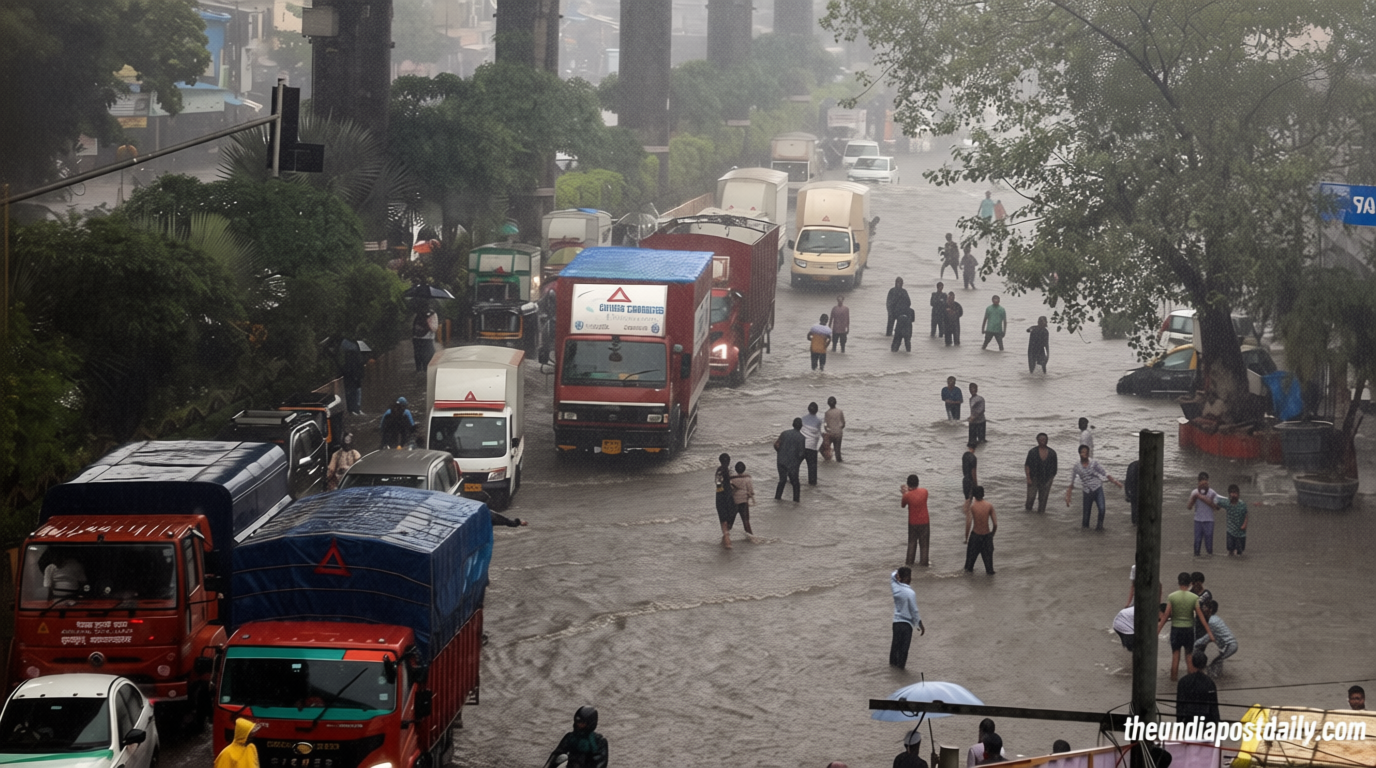
IMD Issues Heavy Rainfall Alert in Chhattisgarh, Maharashtra, Gujarat
Theindiapostdaily.com – The India Meteorological Department (IMD) has issued a heavy rainfall alert, warning of extreme precipitation in regions such as Chhattisgarh, Maharashtra, and Gujarat. This alert comes as the southwest monsoon continues to intensify across central and western India, with forecasters predicting heavy to very heavy rainfall over the next two days. The monsoon, which is crucial for agricultural and water resources, is expected to bring significant weather changes to several states, including increased downpours and localized flooding risks.
Regional Weather Patterns and Alerts
The IMD has highlighted that Chhattisgarh, Madhya Maharashtra, and Gujarat will experience the most intense rainfall. This weather pattern is part of the ongoing monsoon cycle, which is currently affecting large parts of the country. The alert underscores the potential for extreme downpours, especially in the interior parts of these states, which could lead to disruptions in daily activities and infrastructure challenges. Weather officials emphasize the need for preparedness, as the rainfall is anticipated to continue into the early part of next week.
“The southwest monsoon is progressing further into the North Arabian Sea, Gujarat, and the remaining parts of Haryana, Punjab, and Rajasthan during the next three days,” stated the IMD. This forecast indicates a widespread influence of the monsoon, which has already reached the Kerala coast on 4 June—three days earlier than its typical start date. The early arrival of the monsoon may have implications for the overall rainfall distribution, with some regions experiencing more prolonged wet spells than usual.
As the monsoon advances, its impact is being felt across multiple states. Central and western India, including the states of Madhya Pradesh and Chhattisgarh, are expected to see increased precipitation. In the northwest, Himachal Pradesh and Uttarakhand will likely witness widespread rainfall throughout the week. Punjab, Haryana, Delhi, and Uttar Pradesh may experience intermittent showers, with heavier rains forecasted between 7 and 11 July. These conditions could lead to waterlogging and delays in transportation, particularly in urban areas.
Eastern and Northeastern Weather Projections
Eastern regions like Odisha, Gangetic West Bengal, Jharkhand, Sub-Himalayan West Bengal, and Sikkim are also in the spotlight for the IMD’s heavy rainfall alert. Scattered showers with thunderstorms and gusty winds are expected to persist in these areas, affecting both agriculture and daily commutes. Bihar, too, will face scattered rainfall alongside thunderstorms, potentially impacting rice and wheat crops, which are vital for the region’s economy.
The northeast states, including Arunachal Pradesh, Assam, and Meghalaya, are projected to receive widespread rain, while Nagaland, Manipur, Mizoram, and Tripura are expected to remain wet for the entire week. This pattern is consistent with the monsoon’s trajectory, which is currently advancing into the Bay of Bengal and the North Arabian Sea. The IMD has noted that the monsoon’s progression is influenced by several factors, such as oceanic temperatures and atmospheric pressure systems.
Monsoon’s Influence on Agriculture and Economy
Heavy rainfall has significant implications for agriculture, which relies heavily on the monsoon for crop growth. In Chhattisgarh and Maharashtra, the anticipated downpours could lead to increased soil moisture, benefiting crops like cotton and sugarcane. However, excessive rain might also cause waterlogging, damaging root systems and reducing yield potential. Farmers are advised to monitor weather updates and take preventive measures to protect their fields and livestock.
For Gujarat, the heavy rainfall is expected to provide relief to drought-prone areas, replenishing water reserves and supporting irrigation. However, the state’s coastal regions may face flooding due to the combination of heavy rains and high tides. Additionally, the rainfall could impact the oil and gas sector, which is critical to Gujarat’s economy, as well as the fishing industry. Local authorities are preparing contingency plans to address these challenges and ensure timely response to any weather-related disruptions.