‘I’m opening Hormuz’: Harsh Goenka’s cheeky take on Strait closure amid awaited progress on US-Iran peace talks
Harsh Goenka's 'I’m Opening Hormuz' Joke Amid US-Iran Peace Talks Theindiapostdaily.com – Industrialist Harsh Goenka has sparked global conversation with his humorous take on the Strait of Hormuz, joking, “I’m…
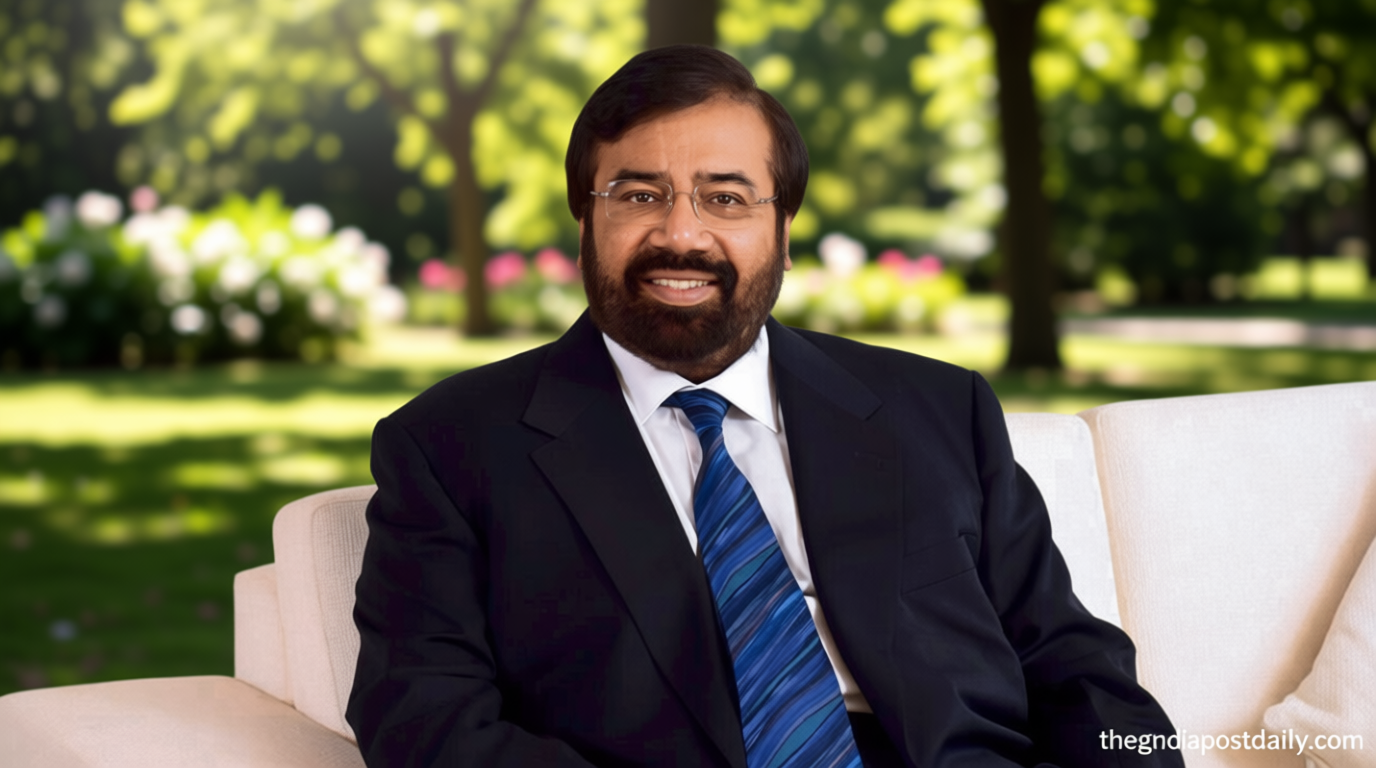
Harsh Goenka’s ‘I’m Opening Hormuz’ Joke Amid US-Iran Peace Talks
Theindiapostdaily.com – Industrialist Harsh Goenka has sparked global conversation with his humorous take on the Strait of Hormuz, joking, “I’m opening Hormuz,” as tensions between the US and Iran eased. The lighthearted remark, posted on X, suggested that the critical maritime chokepoint could be reopened by a single individual if diplomatic progress stalled. Accompanied by an AI-generated image of a fictional “Hormuz Single Malt Scotch Whisky,” Goenka’s quip highlighted both the importance of the strait and the optimism surrounding potential breakthroughs in peace negotiations.
Market Reactions to the Joke
Goenka’s tweet quickly gained traction, with social media users offering a mix of humor and insight. Some likened his idea to a “billion-dollar gamble,” while others questioned whether such a move would truly resolve the crisis. “I’m opening Hormuz—maybe I’ll charge a fee?” one user teased, adding a touch of sarcasm to the situation. Another remarked, “If you’re opening Hormuz, I hope it includes a discount for us poor oil traders,” reflecting the economic stakes involved. Meanwhile, a user noted, “I’m also stuck around Hormuz—please take me with you when you open Hormuz,” underscoring the personal and global impact of the strait’s status.
The Strategic Importance of the Strait of Hormuz
The Strait of Hormuz, a 30-mile-wide waterway connecting the Persian Gulf to the Arabian Sea, is vital for global energy security. Approximately 20% of the world’s oil and gas transit through this narrow passage, making it a key geopolitical asset. Its closure, even for a short period, can send shockwaves through markets, as seen in 2019 when Iranian tanker attacks caused oil prices to spike. However, recent progress in US-Iran peace talks has introduced a glimmer of hope. Negotiations in Switzerland, which ended with both sides expressing willingness to reach a deal, have reduced the risk of prolonged blockades.
Crude oil prices have already begun to reflect this optimism, dropping below $78 per barrel following the resumption of diplomatic dialogue. The US granted Iran a 60-day sanctions waiver, enabling the export of certain petroleum products, while Iran pledged to allow safe passage for commercial vessels. These concessions have bolstered investor confidence, with analysts noting that the market may be overreacting to the easing tensions. “The keyword here is ‘progress,’” said a senior energy trader at CIBC Private Wealth. “Even if a full resolution isn’t imminent, the possibility of a deal is keeping traders hopeful.”
Goenka’s Satirical Vision and Diplomatic Context
Goenka’s remark, while whimsical, underscores the urgency of resolving the dispute. The industrialist’s suggestion that he could personally reopen the strait reflects both his confidence in the US-Iran negotiations and a broader sentiment that political leaders are under pressure to deliver results. The peace talks, which began in late 2023, aim to address longstanding issues, including Iran’s nuclear program and US sanctions. With the global economy still recovering from inflationary pressures, the stabilization of oil markets has become a top priority for policymakers.
Despite the lighthearted tone, Goenka’s comment carries symbolic weight. By using the phrase “I’m opening Hormuz,” he mirrors the actions of governments that have historically controlled the strait. However, his approach highlights the growing role of private sector figures in shaping public perception of diplomatic efforts. “When a business leader jokes about reopening a strategic waterway, it’s a sign that the world is breathing easier,” remarked an observer. “But it’s also a reminder that the real work lies in the talks.”
Challenges and Future Outlook
While the recent concessions are a positive step, challenges remain. Iran’s state media has emphasized that the country will retain control over the strait, stating, “The Strait of Hormuz will never return to its pre-war conditions and will be administered by the Islamic Republic of Iran, in accordance with international law.” This stance aligns with Iran’s broader goal of securing economic benefits while maintaining its geopolitical leverage. Meanwhile, the US continues to push for a more unconditional agreement, stressing the need for full transparency and cooperation from Tehran.
Analysts suggest that the current phase of negotiations may focus on immediate relief measures, such as resuming oil shipments and establishing a communication channel between the two nations. Qatari and Pakistani mediators have reported that both sides are committed to avoiding further disruptions, with the hope of a comprehensive deal by mid-2024. As the talks progress, the phrase “I’m opening Hormuz” may evolve from a joke into a rallying cry for stability in the region. “The market is watching closely to see if this could be the beginning of a lasting peace,” said a financial analyst. “For now, it’s a symbol of hope.”
“I’m opening Hormuz” is not just a humorous take—it’s a reflection of the world’s reliance on this narrow passage for energy security. As negotiations continue, the phrase may serve as a reminder of the delicate balance between diplomacy and crisis management,” added Rebecca Babin, a senior energy trader at CIBC Private Wealth.