‘If they create a ruckus…’: Kangana Ranaut tells CJP to stop ‘arm-twisting’ govt and fight elections
In a sharp critique of the opposition's tactics during the
Kangana Ranaut Tells CJP: ‘If They Create a Ruckus, Let Elections Decide’
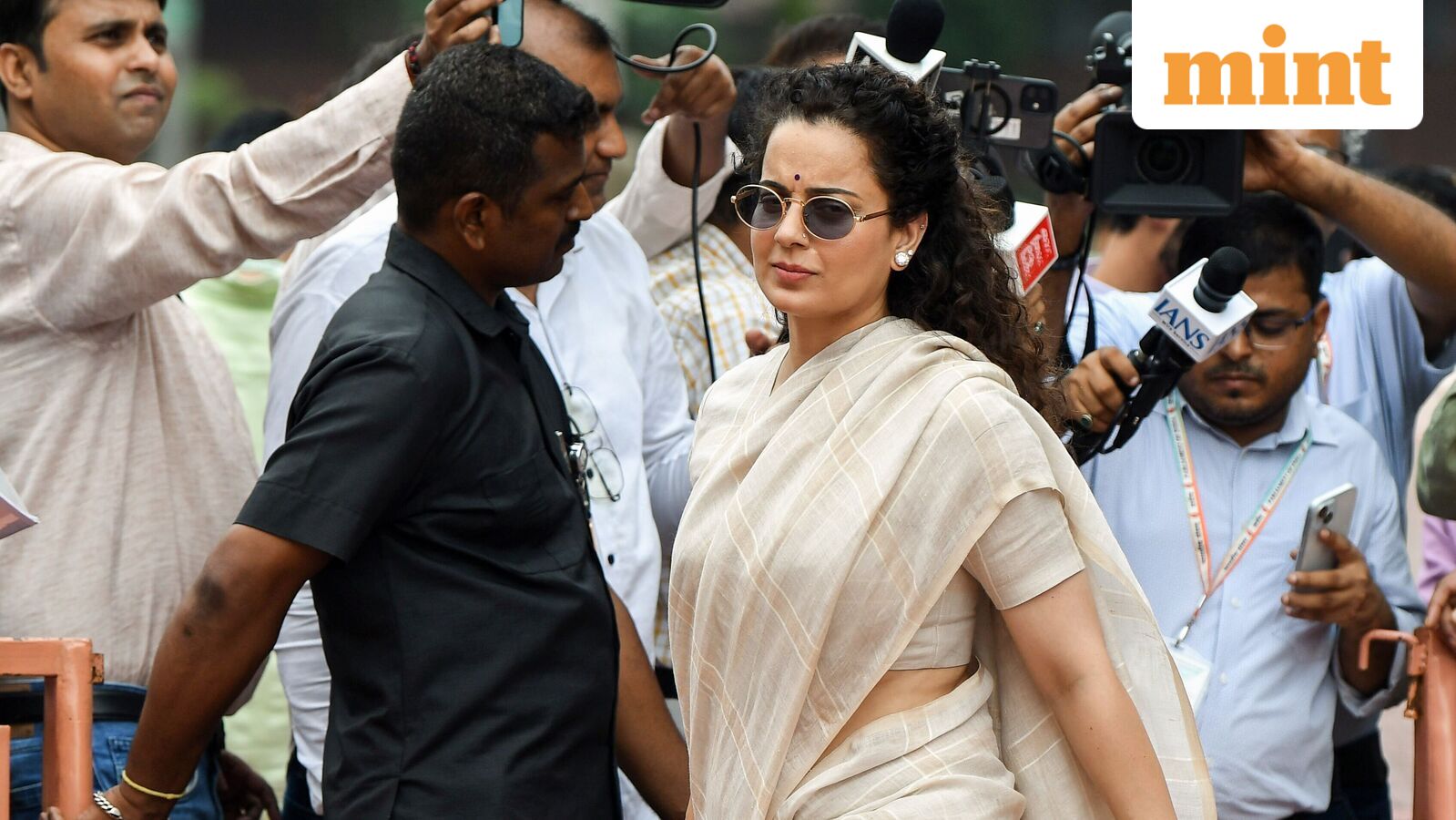
Theindiapostdaily.com – In a sharp critique of the opposition’s tactics during the Monsoon Session of Parliament, Bollywood actress and BJP MP Kangana Ranaut warned the Chief Justice of India (CJP) to halt their efforts to pressure the government. Her comments, reported by the Hindustan Times, were made amid growing disruptions as student groups and opposition lawmakers staged protests over the NEET-UG exam controversy. Ranaut emphasized that the session’s purpose is to address national issues through structured debate, not to create chaos. She challenged the CJP to prioritize their role in ensuring accountability rather than influencing government decisions through disruptive protests. “If they create a ruckus, they should fight elections instead of holding the government hostage,” she stated, underscoring the need for a clear separation between legislative functions and political maneuvering.
Opposition’s Strategy and Kangana’s Bold Criticism
Ranaut’s remarks highlighted the tension between the government’s agenda and the opposition’s resistance. She argued that the ruling party, having secured a mandate through elections, should not face constant interference from groups like the CJP. “If they create a ruckus, it’s not just about holding the government accountable—it’s about ensuring that the people’s choice is respected,” she said. Her speech resonated with many who believe that the Opposition’s focus on obstructing the legislative process has delayed critical debates on economic policies and social reforms. Meanwhile, the CJP continued its push for the resignation of Union Education Minister Dharmendra Pradhan, claiming that the NEET-UG issue was a major flaw in the system. Ranaut, however, urged them to channel their energy into electoral politics instead of relying on protests to force changes.
“Our parliamentary session is not a battleground for political vendettas. It is a platform to address issues that matter to the nation. If they create a ruckus, let it be during elections, not while the government is trying to govern,” Ranaut remarked.
NEET-UG Controversy and Its Political Impact
The NEET-UG exam, which is crucial for admission to medical colleges, has become a flashpoint in the current political discourse. Critics argue that the exam’s syllabus and grading system have been manipulated to favor certain candidates, sparking widespread outrage among students and parents. The CJP, led by Abhijeet Dipke, has accused the government of prioritizing party interests over educational equity. However, Ranaut and her allies contend that the protests have overshadowed the session’s primary objectives. “If they create a ruckus, they need to do so with a clear purpose. Otherwise, it’s just noise that distracts from meaningful governance,” she added. This debate reflects a deeper divide between the ruling party and opposition groups over the role of the judiciary in political matters.
“The NEET-UG issue is important, but it’s not a reason to disrupt the legislative process. If they create a ruckus, they should be ready to take responsibility for their actions in the upcoming elections,” Dipke countered.
Parliamentary Turmoil and Leadership Responses
The Lok Sabha saw frequent interruptions as opposition members demanded urgent discussions on the NEET-UG controversy and the Ram Mandir trust donation embezzlement case. Speaker Om Birla repeatedly called for order, urging lawmakers to allow the House to function effectively. Despite these efforts, the protests continued, forcing the session to adjourn at noon. This disruption has raised concerns about the efficiency of parliamentary proceedings and the potential impact on legislative priorities. Ranaut’s intervention was seen as a call to action for the opposition to focus on their electoral mandate rather than relying on protests to control the government. Her words also hinted at the broader strategy of the BJP to counter the CJP’s influence through both political and public discourse.
Broader Implications for Governance
The clash between the government and opposition groups has drawn attention to the importance of maintaining a balance between accountability and governance. While the CJP insists on its role as a watchdog, Ranaut’s argument suggests that their methods could undermine the government’s ability to implement policies. “If they create a ruckus, they risk delaying essential legislation that affects the everyday lives of citizens,” she noted. The situation has also sparked discussions about the need for more structured mechanisms to address grievances, such as parliamentary committees or public consultations. This debate underscores the evolving dynamics of Indian democracy, where the judiciary, legislature, and civil society play intertwined roles in shaping the nation’s direction.
Electoral Politics and the Role of Public Sentiment
As the Monsoon Session concludes, the focus is shifting toward the upcoming elections, which will determine the future of India’s political landscape. Kangana Ranaut’s warning to the CJP serves as a reminder that public sentiment is a powerful tool, but it must be wielded responsibly. The actress and politician’s involvement has amplified the debate, drawing both support and criticism from across the spectrum. While some praise her for bridging the gap between entertainment and politics, others question whether her comments are an attempt to rally support for the BJP. “If they create a ruckus, they must do so with a clear plan to translate that energy into electoral success,” she added, highlighting the need for strategic alignment between protest and political engagement.