From films to software—new players hop on to India’s e-bus ride
India’s expanding electric-bus market is attracting interest from companies far beyond the traditional transport and automobile sectors. A television film
Unexpected Businesses Join India’s Electric Bus Opportunity
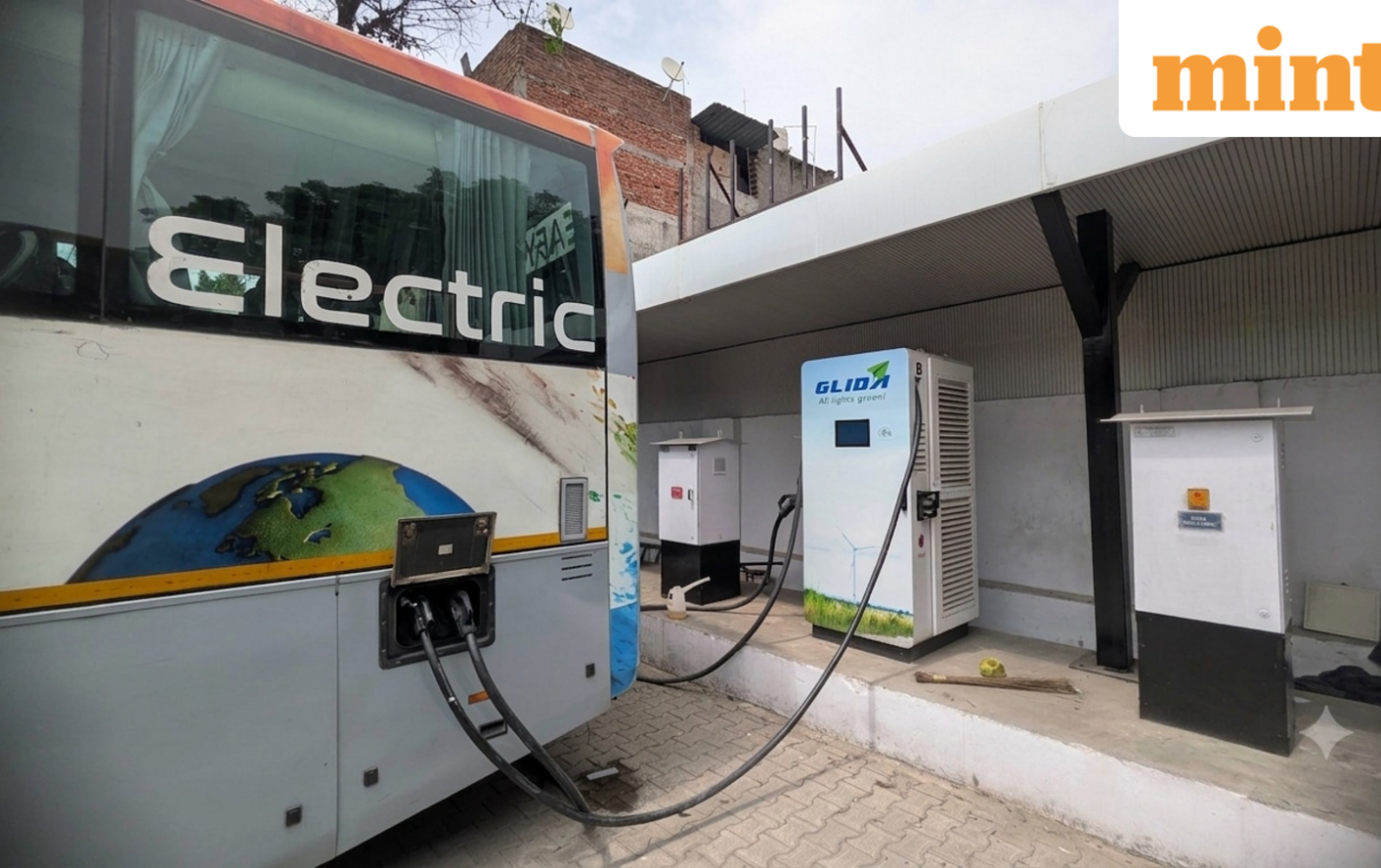
Theindiapostdaily.com – India’s expanding electric-bus market is attracting interest from companies far beyond the traditional transport and automobile sectors. A television film producer, a software company and a solar-power business are among the kinds of new entrants seeking a place in a public-transport segment that is becoming increasingly important to urban mobility plans.
The unusual mix reflects the scale of the opportunity created by India’s effort to put more electric buses on city roads. Operating buses is no longer viewed solely as the domain of established vehicle manufacturers or long-running transport contractors. Tender-based programmes, technology requirements and the need for charging infrastructure have opened the field to businesses with experience in finance, digital systems, project execution and energy services.
A broader field of contenders
Electric buses require more than the purchase of a vehicle. Operators must arrange charging, manage schedules, monitor vehicle performance, maintain fleets and meet service commitments for transport authorities. That combination can make the sector appealing to companies that already work with software, power systems, large projects or managed services.
For a software firm, fleet-management platforms, data systems and digital monitoring can be relevant capabilities. A solar-energy company may see a connection through electricity supply, charging arrangements and broader clean-energy operations. Businesses from media or other unrelated industries may participate through consortiums, investment structures or operational partnerships, provided they can satisfy the technical and financial terms of a tender.
The result is a more diverse competitive landscape around electric mobility. Rather than focusing only on who builds buses, the market increasingly involves companies that can help deliver dependable public transport over a multi-year contract period.
Why Electric-Bus Tenders Matter
Government-backed bus procurement and service contracts have become a major route for expanding electric public transport. Such programmes typically set performance expectations for the operator, including vehicle availability, maintenance and service quality. This means that winning a tender can lead to a long-term role in the daily movement of passengers, not simply a one-time vehicle sale.
India’s cities face a continuing need for cleaner and more efficient mass transit. Buses remain one of the most accessible forms of public transportation for large numbers of commuters, particularly where rail networks do not cover every neighbourhood. Replacing or supplementing conventional fleets with electric models is therefore tied to wider goals involving urban air quality, operating efficiency and the modernization of municipal transport.
The transition also creates a chain of related work. Charging facilities must be planned around depot locations and route patterns. Electricity use needs to be managed carefully. Drivers and maintenance teams require training for a different type of vehicle, while transport agencies need reliable systems to track whether buses are meeting contractual obligations.
Competition brings opportunities and challenges
New participation can increase competition in e-bus tenders and may encourage companies to develop different business models. Some may bring technology expertise, while others may focus on financing, energy management or partnerships with experienced fleet operators. A broader bidder pool can be useful when public authorities are looking for enough capacity to support large-scale deployment.
At the same time, electric-bus contracts demand execution discipline. A company entering from another industry must be able to demonstrate that it can meet transport-sector requirements or work with partners that have the necessary experience. Public bus operations depend on punctuality, safety, maintenance and continuity of service; those standards matter every day to passengers.
For commuters, the ownership background of an operator may be less important than the quality of the service. The practical test will be whether buses arrive on time, remain available throughout the day, offer a comfortable ride and are supported by reliable charging and maintenance systems. The expansion of participation in the sector will be meaningful if it translates into better, cleaner and more dependable mobility.
The Next Phase of Electric Mobility
India’s electric-bus push is turning public transport into a meeting point for several industries. Vehicle makers, fleet specialists, technology providers, energy companies, financiers and new corporate entrants all have potential roles. This is a sign that electric mobility is evolving into a wider operating ecosystem rather than a narrowly defined automotive business.
The entry of businesses from television production, software and solar power underlines that change. Their interest suggests that the economic potential of electric buses is being assessed through many lenses: infrastructure, data, clean energy, long-term service contracts and urban demand.
As more tenders are issued and fleets are deployed, the sector will need strong operational performance alongside ambitious plans. The promise of electric buses lies not just in the technology itself, but in the ability to run a public service that passengers can depend on. India’s e-bus journey is drawing unexpected riders from the corporate world, while keeping the daily needs of city commuters at its centre.
Related Reading
Frequently Asked Questions
What is From films to software new players?
From films to software new players is the main topic of this guide. The article explains the context, practical details, and next steps readers should understand.
Why does From films to software new players matter?
From films to software new players matters because readers are looking for a useful answer, not just a short summary. Good content should match search intent and help them decide what to do next.