Delhi govt explores turning Arvind Kejriwal’s ‘Sheesh Mahal’ into luxury hospitality property
Delhi Govt Explores Turning Arvind Kejriwal's 'Sheesh Mahal' Into Luxury Hospitality Property Delhi govt explores turning Arvind Kejriwal - The Delhi
Delhi Govt Explores Turning Arvind Kejriwal’s ‘Sheesh Mahal’ Into Luxury Hospitality Property
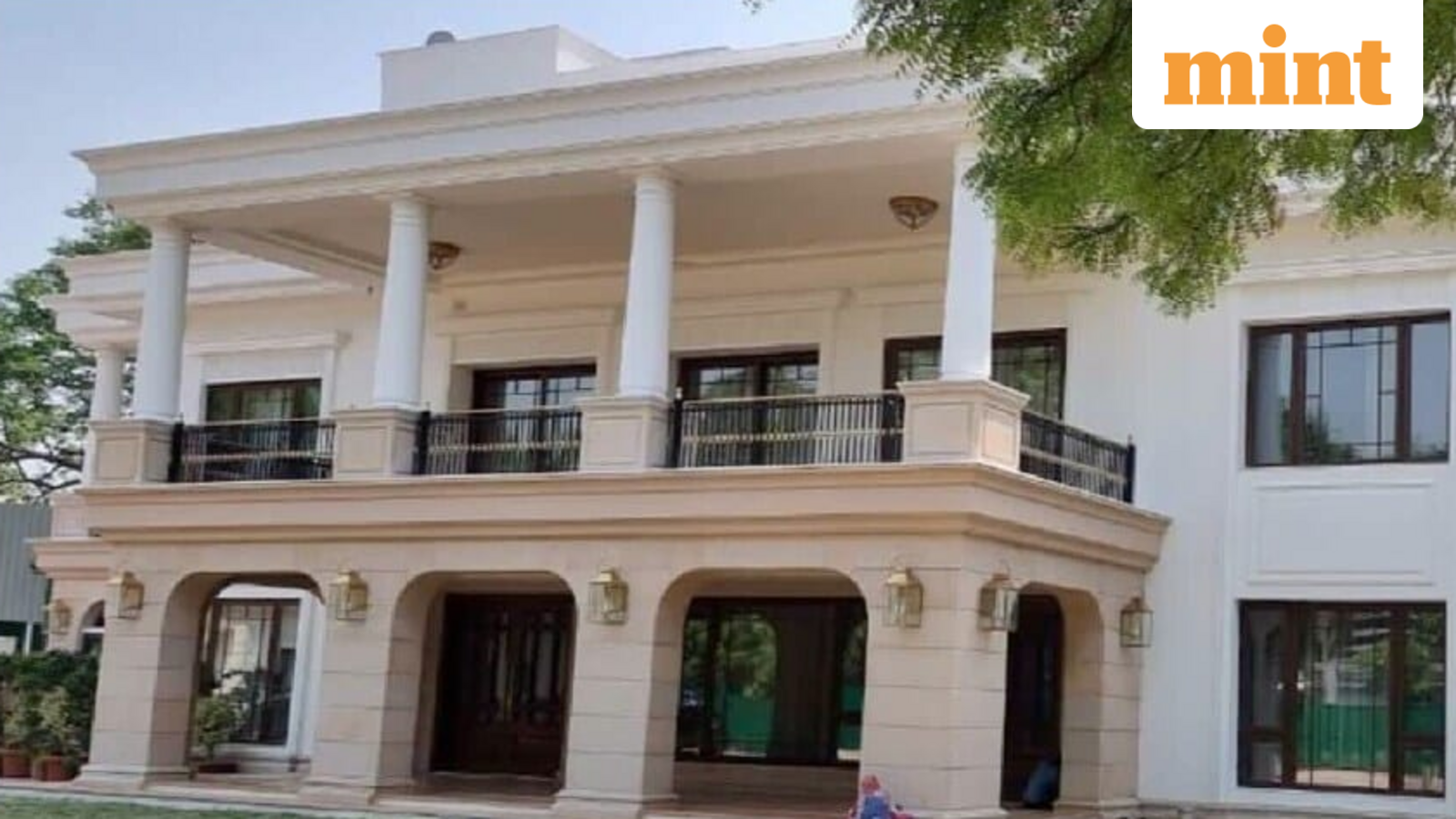
Theindiapostdaily.com – The Delhi government is actively considering the transformation of Arvind Kejriwal’s official residence, known as ‘Sheesh Mahal,’ into a luxury hospitality property. This initiative, unveiled by the Public Works Department (PWD), aims to maximize the utility of the premises while generating additional revenue for the state. The property, situated at 6, Flagstaff Road, has been a symbol of political contention, with debates surrounding its use and renovation costs. Reports from Hindustan Times indicate that officials are evaluating commercial partnerships to repurpose the site for high-end tourism and event hosting, marking a significant shift in its function.
Historical Context and Political Significance
Named ‘Sheesh Mahal’ by the Bharatiya Janata Party (BJP) during their campaign against the Aam Aadmi Party (AAP), the bungalow has been a focal point of political discourse. Under Kejriwal’s administration, the property underwent extensive renovations, sparking allegations of excessive spending on upscale upgrades. Critics argued that public funds were used to enhance the building’s aesthetic appeal, raising questions about transparency and the allocation of resources. The Delhi government’s current proposal to lease the property for luxury hospitality reflects a strategic move to balance political symbolism with practical economic benefits.
“The Delhi government is committed to exploring innovative uses for public assets. By converting the Sheesh Mahal into a luxury hospitality property, we can ensure its continued relevance while addressing financial and operational needs,” stated Delhi PWD Minister Parvesh Verma, as reported by Hindustan Times.
While the AAP initially envisioned the property as a hub for civic engagement, the BJP’s takeover of power has led to renewed discussions about its potential as a revenue-generating asset. The decision to repurpose the site comes amid broader efforts to optimize state-owned properties, with the luxury hospitality model seen as a way to reduce maintenance burdens and create sustainable income streams. This approach aligns with the government’s goal of leveraging public spaces for private ventures, a concept that has gained traction in recent years.
Previous Proposals and Ongoing Debates
Before the current plan, the property was considered for various uses, including a cultural center and a government guesthouse. However, the BJP’s focus on economic development has shifted the narrative toward commercial viability. The government is now exploring collaborations with established hospitality firms to manage the property, ensuring professional oversight and efficient operations. This model would allow the state to retain ownership while delegating day-to-day management to private entities, a strategy that could set a precedent for other public assets.
Despite the government’s stance, concerns about financial transparency persist. The BJP claimed between ₹45 crore and ₹52 crore was allocated to renovations, a figure that the AAP contested. The controversy deepened ahead of the 2025 Delhi Assembly elections, prompting investigations by the Central Vigilance Commission (CVC), Central Bureau of Investigation (CBI), and the Lieutenant Governor. These inquiries sought to determine whether the renovation expenses were justified and whether the project met all construction standards.
Meanwhile, the Delhi government is also finalizing plans to complete the unfinished camp office on the premises. This project, estimated to cost around ₹60 crore, is expected to serve as a multifunctional space for both public and private events. The PWD is preparing a detailed proposal outlining the operational model, legal framework, and technical specifications, which will be presented to the government for approval. The integration of the camp office with the luxury hospitality concept highlights the administration’s commitment to comprehensive development of the site.
Public opinion remains divided on the matter. Supporters argue that the repurposing initiative is a pragmatic solution to address the financial strains of maintaining the property. They highlight the potential for the luxury hospitality model to attract investors and create employment opportunities. On the other hand, critics worry that the decision might compromise the property’s historical and cultural value, especially given its association with Kejriwal’s leadership. The debate underscores the tension between political symbolism and economic pragmatism in urban governance.
As the Delhi government finalizes its plans, the Sheesh Mahal project serves as a case study in the evolving priorities of state administration. By turning the residence into a luxury hospitality property, the government aims to modernize its infrastructure while ensuring accountability. The proposed model not only addresses the property’s current challenges but also sets a precedent for future projects. With the lease agreement and camp office development progressing, the Sheesh Mahal is poised to become a landmark that blends political legacy with contemporary utility, redefining its role in the city’s landscape.