Delhi founder who left Google warns against quitting in frustration: ‘You have to face ab kya kar rhe ho?’
Delhi Founder Who Left Google Warns Against Frustration-Driven Quitting From Corporate Job to Entrepreneurial Journey Delhi founder who left Google warns
Delhi Founder Who Left Google Warns Against Frustration-Driven Quitting
From Corporate Job to Entrepreneurial Journey
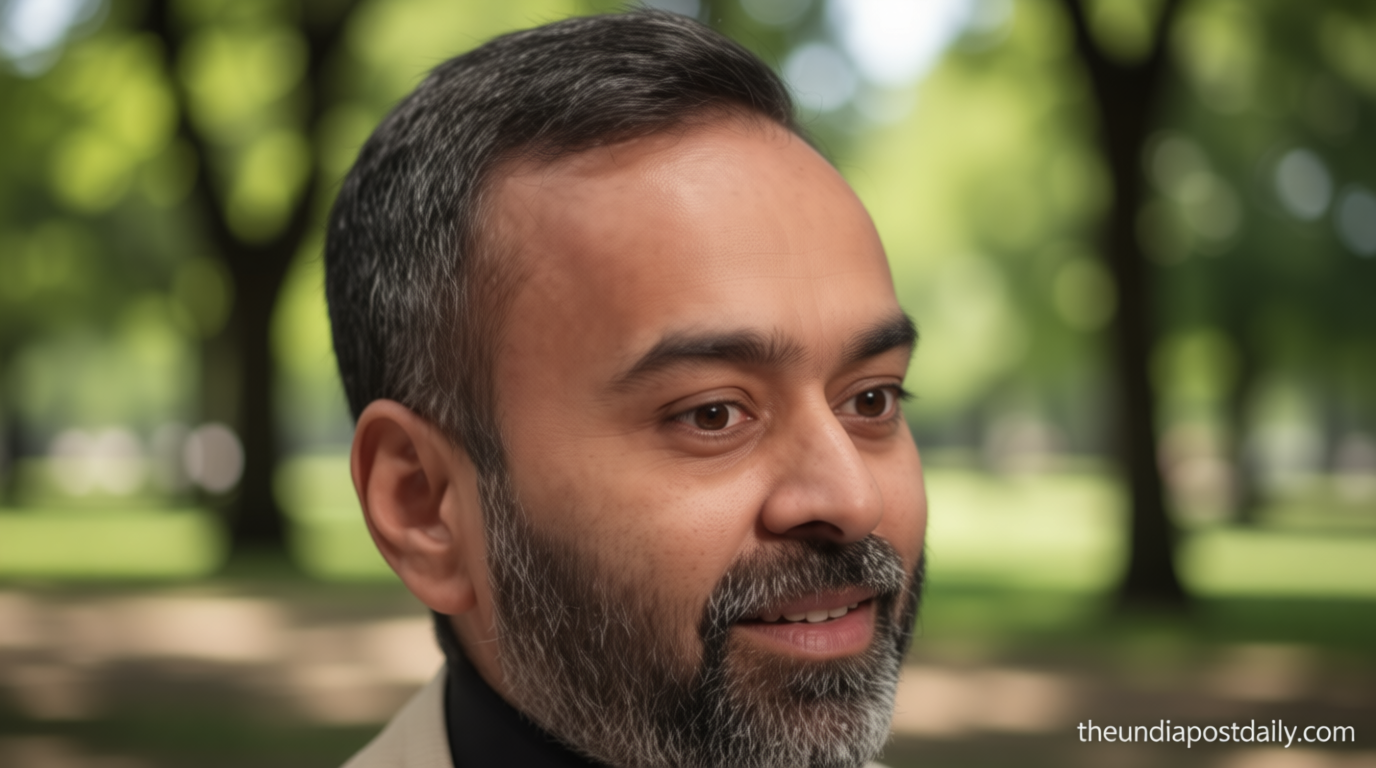
Theindiapostdaily.com – Rohit Sakunia, a Delhi-based entrepreneur and former Google employee, has become a vocal advocate for thoughtful career transitions. After leaving the tech giant over a decade ago, he now shares his experiences to guide young professionals through the decision of quitting a job. His journey highlights the importance of aligning personal goals with professional choices, especially when considering a leap into entrepreneurship.
“Many ask, ‘Should I quit my 9-5 job or not?’” Sakunia wrote in an Instagram post, reflecting on his own shift from corporate life to self-reliance. He stressed that leaving a job should not be a reaction to temporary setbacks but a well-considered step toward a clearer vision. “You have to face ab kya kar rhe ho?” he asked, urging individuals to evaluate their motivations before making the move.
The Pitfalls of Impulsive Resignations
Sakunia warns that impulsive quitting often stems from emotional triggers rather than strategic planning. While social media may glamorize the startup lifestyle, he emphasizes that the reality is far more complex. “Don’t resign because a single success story inspires you late at night,” he cautioned. “Entrepreneurship requires patience, resilience, and a plan—not just a reaction to frustration.”
He also points out that corporate roles provide stability, which can be a double-edged sword. “The comfort of a regular paycheck and structured environment can make it hard to commit to a risky venture,” Sakunia noted. However, he argues that the decision to leave should be driven by a deeper sense of purpose, not just a desire for freedom. “You have to face ab kya kar rhe ho?” he repeated, encouraging introspection before taking the plunge.
Building a Sustainable Business Mindset
One of Sakunia’s key lessons is the importance of mental and financial preparation. He highlights how the shift from employee to founder demands a new perspective on risk and reward. “Entrepreneurship isn’t a quick fix—it’s a long-term commitment,” he explained. “You have to face ab kya kar rhe ho? every day, not just once.”
Financial stability is equally critical. Sakunia advises aspiring entrepreneurs to ensure they have at least six months’ worth of expenses saved before resigning. “Without a safety net, you risk burnout or failure,” he said. He also shares how his own transition required adapting to uncertainties, from balancing work-life to managing expectations. “You have to face ab kya kar rhe ho? not just in the first month, but in every challenge that comes your way,” he added.
Long-Term Success: A Test of Resilience
More than a decade into his entrepreneurial journey, Sakunia reflects on how his mindset evolved. “You have to face ab kya kar rhe ho? as you navigate growth, setbacks, and evolving goals,” he said. His business, now a cornerstone of his identity, has allowed him to embrace flexibility. For instance, he can take calls while walking or attend his son’s cricket practice without seeking approval—a stark contrast to his corporate days.
Despite the challenges, Sakunia maintains that the freedom and ownership of running his own business have been worth it. “The right choice isn’t always obvious,” he concluded. “If you’re at a crossroads, take your time. You have to face ab kya kar rhe ho? not just once, but repeatedly, until you find the answer that feels right.” His words resonate with those seeking to break free from traditional career paths while staying grounded in purpose.
Reflecting on his path, Sakunia underscores the value of preparation and patience. “Leaving Google wasn’t about rebellion—it was about finding a direction that aligns with your goals,” he explained. His story serves as a reminder that while quitting a job can be transformative, it requires careful planning and a strong sense of self. “You have to face ab kya kar rhe ho? not just as a question, but as a lifelong journey,” he said, reinforcing the idea that the decision to leave is as much about mindset as it is about opportunity.
Sakunia’s insights are particularly relevant in today’s fast-paced work environment, where the allure of remote work or side hustles can tempt professionals to act on impulse. By sharing his experiences, he aims to help others avoid the pitfalls of frustration-driven quitting. “You have to face ab kya kar rhe ho? not just when you’re about to leave, but every time you feel uncertain,” he advised. His message is a call to introspection, urging individuals to prioritize clarity and conviction over fleeting emotions.