Cockroach Janta Party becomes talking point at INDIA bloc meeting; Oppn leaders debate its significance: Report
Cockroach Janta Party Sparks Debate at INDIA Bloc Meeting Cockroach Janta Party becomes talking point - The Cockroach Janta Party (CJP) has emerged as a central talking point during recent…
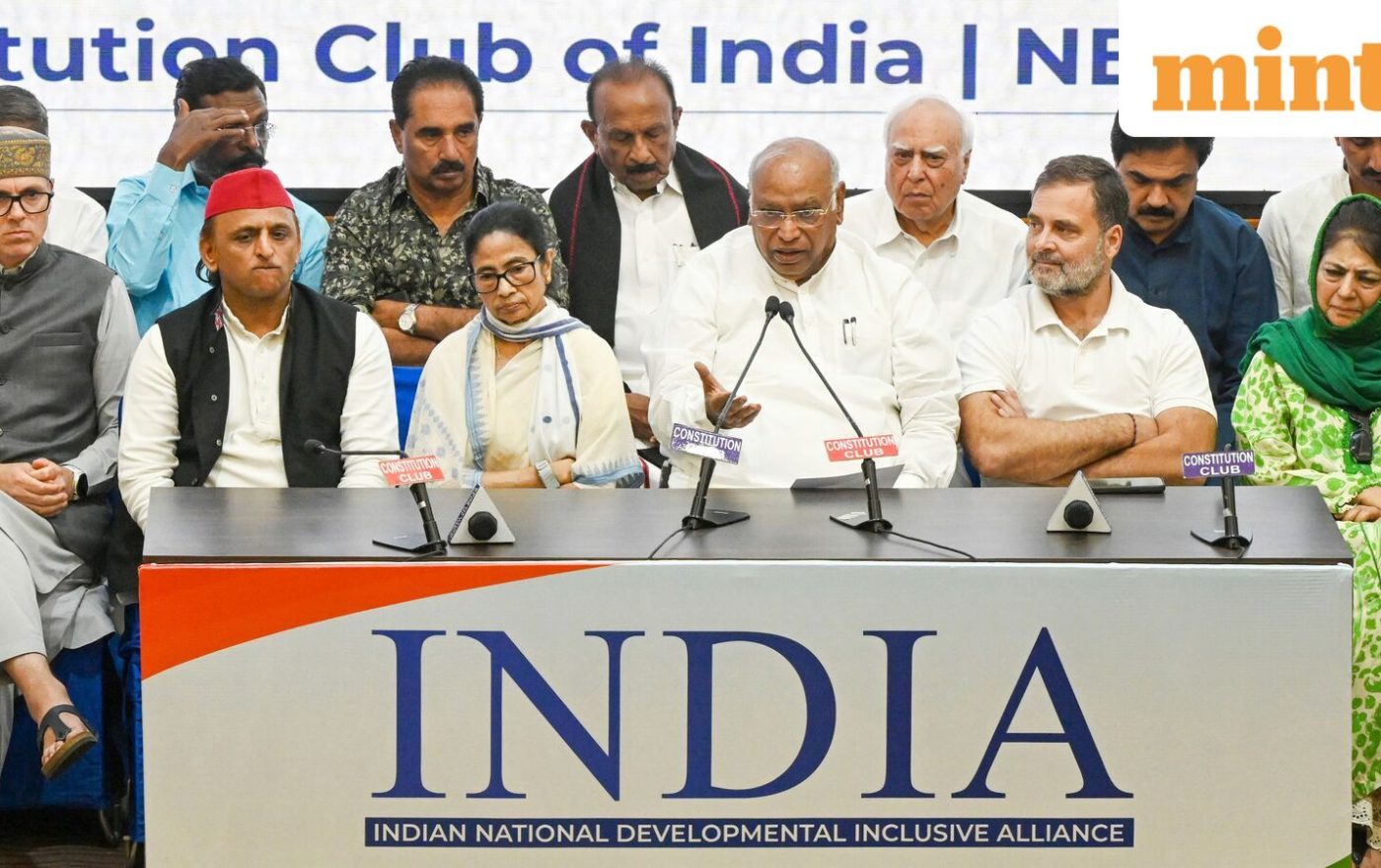
Cockroach Janta Party Sparks Debate at INDIA Bloc Meeting
Cockroach Janta Party becomes talking point – The Cockroach Janta Party (CJP) has emerged as a central talking point during recent discussions at the INDIA bloc meeting, drawing sharp contrasts in opinions from opposition leaders. Founded by Abhishek Dipke, a US-based returnee, the movement gained unexpected traction as participants debated its potential impact on India’s political and educational landscape. While not formally listed in the agenda, the CJP’s growing influence was noted in informal conversations, with some leaders questioning its motives and others applauding its grassroots appeal. The report highlights how the movement has become a focal point for discourse on youth activism and systemic reforms in education.
Student Protests and Political Repercussions
The CJP’s rise is closely tied to widespread student protests against the Central Board of Secondary Education (CBSE) and the National Eligibility cum Entrance Test (NEET-UG) exams. These demonstrations, which have drawn thousands of participants, have sparked debates about the role of youth in challenging established political structures. At the INDIA bloc meeting, leaders discussed the movement’s connection to broader discontent over examination irregularities and opaque recruitment processes, which have fueled calls for accountability. The focus keyword—Cockroach Janta Party becomes talking point—was repeatedly referenced as a symbol of the growing divide between traditional political factions and newer, more vocal groups.
“The Cockroach Janta Party has become a talking point not just for its activism, but for its ability to mobilize a generation disillusioned with the status quo,” remarked a senior opposition figure, emphasizing the movement’s relevance in the current political climate. This sentiment was echoed by several participants who noted that the CJP’s digital campaigns and public rallies have shifted the narrative around youth engagement in governance.
Reforms and Accountability in Education
During the meeting, leaders emphasized the need for educational reforms, with a particular focus on the governance of CBSE and the NEET-UG system. While the Cockroach Janta Party becomes talking point was not the main agenda, it was linked to broader demands for transparency in examinations and admissions. The discussion included a proposal to hold Union Education Minister Dharmendra Pradhan accountable for alleged lapses in the system, which many see as a catalyst for the movement’s rise. Opposition groups, including the Trinamool Congress and Samajwadi Party, acknowledged the CJP’s grassroots strength but debated how to align its objectives with their political strategies.
“We need to ensure that the Cockroach Janta Party becomes talking point of serious reform, not just protest,” said Mamata Banerjee, urging a balance between student demands and policy implementation. Meanwhile, Jammu and Kashmir’s Omar Abdullah praised the movement’s energy, calling it a “refreshing wave of youth-led action” that could inspire similar initiatives across the country.
Strategic Implications for Political Parties
The emergence of the Cockroach Janta Party becomes talking point has prompted political parties to reassess their strategies in engaging with youth-centric issues. With its focus on education and examination reforms, the movement has positioned itself as a challenger to traditional political narratives, particularly those of the ruling party. Leaders from the INDIA bloc acknowledged the need to integrate such movements into their platforms, arguing that ignoring them could lead to further fragmentation. The CJP’s ability to attract attention through social media and large-scale protests has made it a key player in shaping public discourse on education and governance.
“The Cockroach Janta Party becomes talking point of a new era in political participation, one driven by digital activism and student-led demands,” observed a political analyst. This perspective was supported by Congress leader Shashi Tharoor, who recognized the movement’s potential to influence policy changes but cautioned against overestimating its immediate impact on electoral outcomes.
Legacy of Jantar Mantar and Future Protests
The CJP’s visibility was further heightened by a massive demonstration at Delhi’s Jantar Mantar, which drew thousands of protesters demanding reforms in the education system. The event, organized by the movement, became a defining moment in its campaign, symbolizing the intensity of youth frustration with current educational policies. Plans for a follow-up protest in Pune on June 11 were also discussed, with the Cockroach Janta Party becomes talking point expected to focus on the resignation of Pradhan as a key demand. This strategy reflects the movement’s growing confidence in leveraging public support to pressure the government on critical issues.
“The Cockroach Janta Party becomes talking point not only in Delhi but across the nation, showing how youth can amplify their voices through organized action,” noted a report. The movement’s leaders, however, stressed that their goals extend beyond political debates, aiming to create lasting change in the education sector.
Broader Impact on Indian Politics
As the Cockroach Janta Party becomes talking point, its influence extends beyond the INDIA bloc meeting, signaling a shift in how youth movements are perceived in Indian politics. The movement’s success in drawing attention to educational grievances has prompted discussions about the need for more inclusive political participation, particularly among younger demographics. While some leaders view the CJP as a potential ally, others remain wary of its long-term goals and ideological alignment. This dynamic underscores the complexity of navigating youth-driven movements in a fragmented political environment.